
 By
ByFor international soccer players, the dream of competing in the United States’ NCAA Division 1 can feel both exhilarating and overwhelming. The U. S. college soccer landscape is vast, highly competitive, and packed with opportunity—but only for those who know where to look and how to navigate the system. At College Touchline, we know that the journey from a pitch in São Paulo, London, Accra, or Tokyo to a top NCAA program is no small feat. This guide breaks down which programs excel at developing international talent, why they succeed, and how you can make the leap. Whether you’re a player, parent, or coach, get ready for actionable insights that’ll put you in the best position to succeed.
Why NCAA Soccer Appeals to International Players
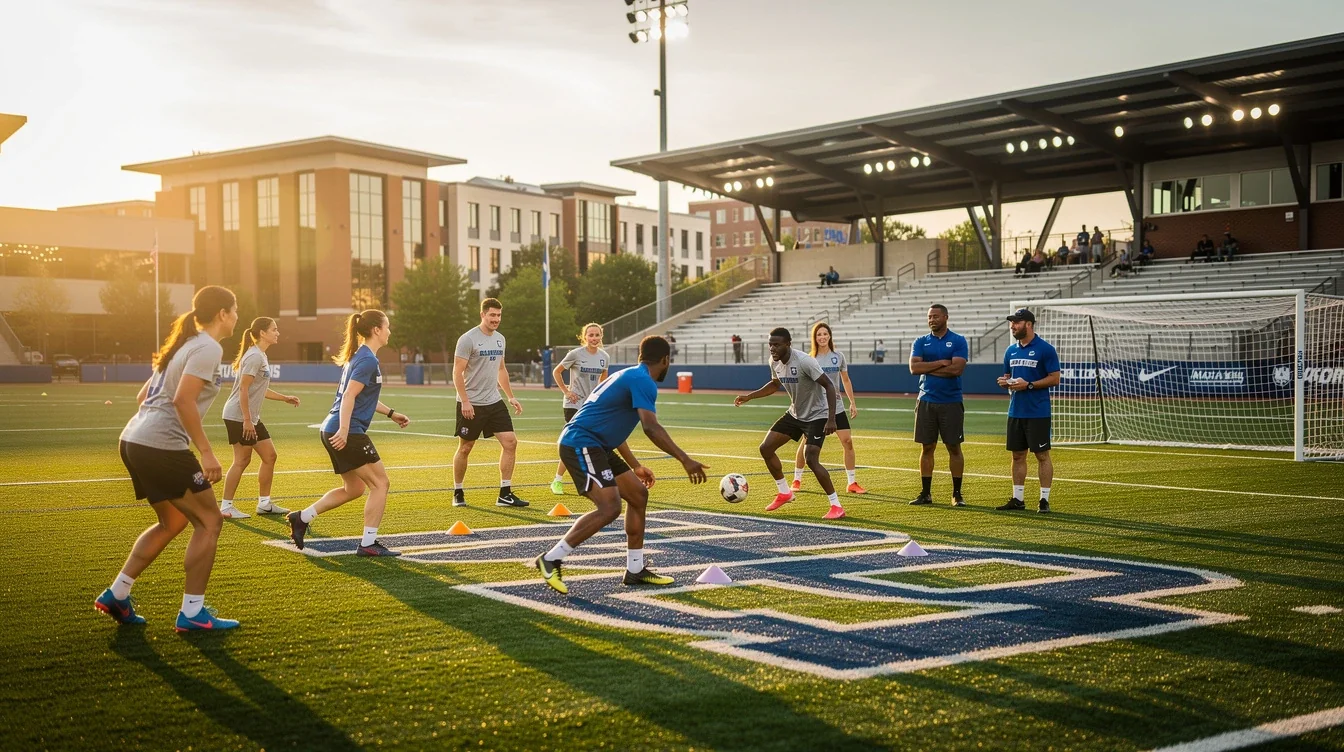
Over the past decade, NCAA Division 1 soccer has become a magnet for international recruits. Why? For starters, U. S. colleges offer a unique blend of world-class academics, elite athletic facilities, and the chance to compete at a high level—all while obtaining a degree. For many, it’s the perfect way to keep professional aspirations alive without sacrificing education.
International players also bring tactical diversity and technical skillsets that fit seamlessly into the evolving NCAA game. Coaches increasingly look abroad to complement American athleticism with European tactical discipline, African creativity, or South American flair. The result is a melting pot that elevates both the individual and the team.
Pro tip: When researching programs, look beyond the win-loss record. Examine rosters for international representation and ask current players about their transition experiences. Programs with established support structures for international athletes can make all the difference.
Leading Programs: Who Stands Out and Why
Some programs have built their reputations on successfully recruiting and developing international talent. These schools don’t just sign foreign players—they integrate them, foster growth, and help them thrive on and off the field.
Wake Forest, for example, has consistently fielded teams with players from over a dozen countries. Their possession-based style is attractive to technical players and their coaching staff is adept at helping internationals adapt to the physicality of the college game.
Clemson University is another powerhouse that’s thrived with international recruits, blending South American creativity with European discipline. Their recent NCAA championship runs have been powered by players who previously played in elite youth academies abroad.
Stanford is a bit different. While not as reliant on international talent, they’re selective about who they bring in—usually choosing players who are both outstanding academically and tactically. The result is a tight-knit, high-IQ squad that’s adaptable and disciplined.
Marshall University’s Cinderella run to the national championship in 2021 was made possible by a roster packed with internationals—players from England, Brazil, and beyond. Their success demonstrated that a strategic focus on the international market can produce results even for mid-major programs.
Pro tip: Don’t hesitate to reach out directly to coaches with a well-crafted introductory email and highlight video. U. S. programs appreciate initiative and professionalism, especially from overseas prospects.
Recruitment Process: What Sets Top Programs Apart
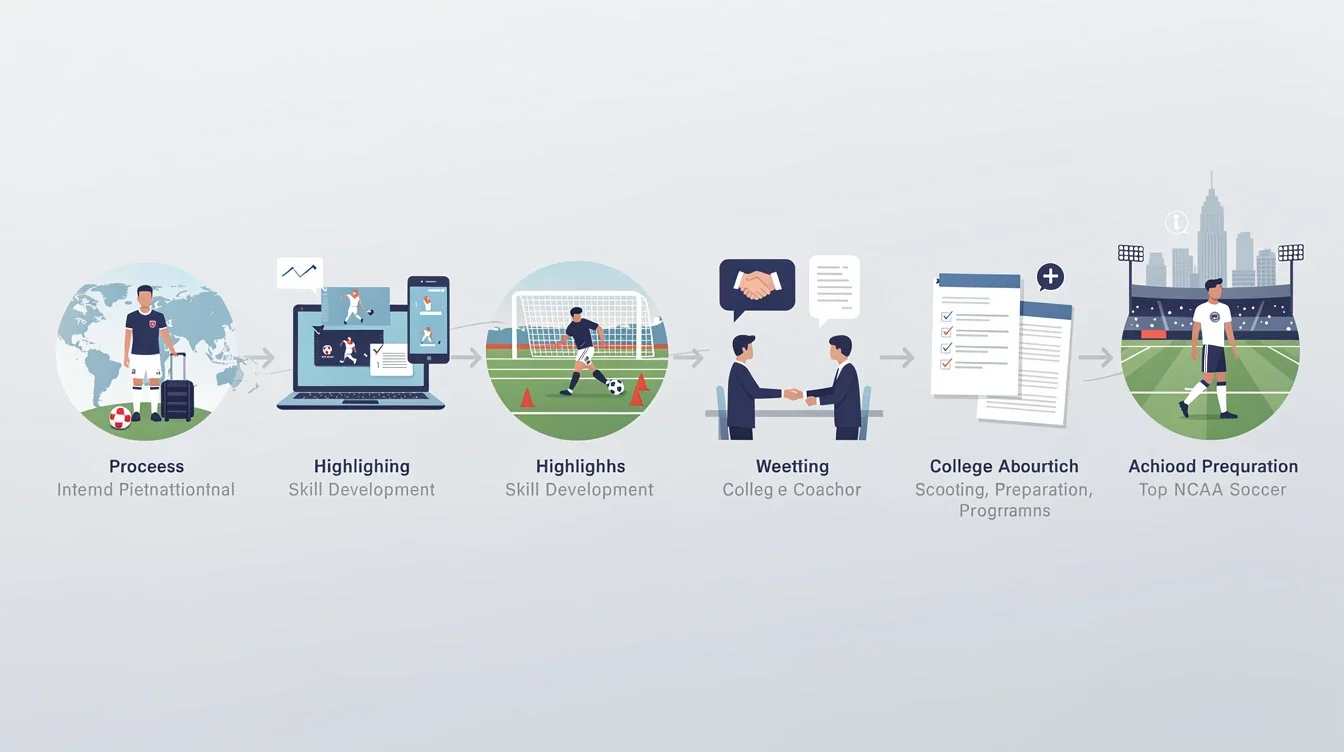
The recruitment process for international players is nuanced. Top NCAA programs understand the logistical and cultural hurdles—visa paperwork, academic credit transfers, and language barriers. These teams often have recruiting coordinators or staff dedicated to helping internationals clear these obstacles.
They also prioritize clear, honest communication. Elite programs will walk you through academic requirements, explain the scholarship model (which can be quite different from what you’re used to), and lay out exactly what they expect on the field. This transparency is crucial in building trust and helping you make an informed decision.
Moreover, leading programs have streamlined systems for evaluating international talent. They know how to assess highlight reels, scout at international tournaments, and even conduct remote interviews and training sessions when travel isn’t possible.
Pro tip: Start early—ideally 18-24 months before your intended start date. The best programs fill roster spots fast, and the international paperwork takes time.
Style of Play and Player Development
One of the biggest concerns for internationals is whether their style of play will translate to the U. S. college game. The truth is, NCAA soccer is evolving. Programs at the top level are no longer just looking for size and speed; they want players who can break lines, play through pressure, and adapt tactically.
Take Georgetown, for instance. Their style emphasizes possession and positional play, drawing heavily from European influences. This attracts internationals who are used to tactical systems and want to continue developing those skills. On the flip side, programs like Syracuse blend physicality with technical play, offering a balanced environment that suits a wide range of player profiles.
Development is another key factor. Top programs offer year-round training, access to sports science and nutrition, and exposure to high-level competition. Many internationals have used NCAA soccer as a springboard to professional leagues, both in the U. S. and abroad.
Pro tip: Study a team’s recent matches (many are streamed online) to assess their style of play. If you see players from your region or with your skillset thriving, it’s a good sign you’ll fit in.
Navigating Scholarships and Academic Requirements
Scholarships in NCAA soccer are competitive and often divided among several players. Top programs are transparent about their scholarship philosophy—some offer full rides to standout internationals, others split awards to maximize roster strength. It’s crucial to understand your value as a recruit and to ask direct questions about what’s on offer.
Academics are equally important. NCAA eligibility rules require international students to meet specific academic and testing standards, which can vary depending on your country’s education system. Leading programs have compliance staff who can help you navigate this, but you’ll need to be proactive in providing transcripts, test scores, and other documentation.
Remember, strong English proficiency is essential—not just for NCAA compliance, but for thriving in the classroom and communicating with coaches and teammates.
Pro tip: Use the NCAA Eligibility Center early in your process to confirm which credits and test scores you’ll need. This saves time and avoids last-minute surprises.
Making Your Shortlist and Next Steps
With so many variables—playing style, academics, location—it’s easy to feel overwhelmed. Start by creating a shortlist of programs that align with your goals. Look for schools with a strong track record of supporting internationals, a playing style that suits your strengths, and academic offerings that interest you.
Connect with current or former players if possible. Their firsthand insights about the coaching staff, campus life, and the transition process are invaluable. Remember, the best fit isn’t always the biggest name. Some of the most successful international stories come from programs outside the traditional powerhouses.
Finally, approach the process with patience and persistence. The path to NCAA soccer as an international recruit is challenging, but the rewards—on the field, in the classroom, and in life—are immense.
Pro tip: Keep your options open and don’t be discouraged by setbacks. Persistence, adaptability, and clear communication are your best assets.
Conclusion
International recruits are reshaping the landscape of NCAA Division 1 soccer, bringing fresh perspectives and raising the level of play. The programs leading this trend do more than just recruit—they integrate, develop, and champion their international athletes. If you’re serious about making the jump to college soccer in the U. S., do your homework, reach out proactively, and seek out programs that align with your ambitions both on and off the field. At College Touchline, we believe the right information can turn your dream into a reality—one touchline at a time.