By
ByIf you have ever wondered what it will take for Saint Louis to turn regular season momentum into a deep postseason run, you are in the right place. The saint louis billikens men’s soccer program has history, talent, and a style that can trouble anyone. The question is how those pieces translate when the margins get razor thin in November.
In this analysis we will map the Billikens’ path to NCAA success. We will unpack their tactical identity, from how they press and build out, to how they create chances and defend set pieces. We will look at roster architecture, depth by position, and which players swing matches in key moments. We will examine schedule strength, travel, and likely bracket scenarios that influence seeding and matchups. Expect clear takeaways backed by accessible metrics such as chance creation rates, shot quality, and game state trends. By the end, you will know what is working, what needs sharpening, and which adjustments could turn a good season into a memorable one. Let’s dive into the blueprint that can carry the Billikens past the early rounds and into the national conversation.
Current Status and Historical Context of Saint Louis Billikens
Current snapshot
Saint Louis finished 2025 at 13-3-8, a resume built on resilience and timely defending. The Billikens captured the A-10 tournament title on penalties over Dayton and entered the NCAA field for a record 52nd time, milestones the program highlighted in its tournament preview on SLU’s site. Their last loss came on September 23 to Akron, then they went unbeaten in the final 13 matches, a form line powered more by control than volume. SLU averaged 1.25 goals on 11.2 shots per game, numbers that reflect a pragmatic approach and strong goal prevention. Key contributors like goalkeeper Connor Dillman and midfielder Carlos Leatherman anchored core phases, giving the group a steady spine when matches tightened.
Why the 2025 run matters
Historically, Saint Louis sits atop the sport with 10 national championships and unmatched NCAA tournament consistency, so every deep run is measured against a high bar. The 2025 team met the moment, advancing via a shootout win into the quarterfinals, a result the league documented in its recap on the Atlantic 10 site. They then reached the College Cup semifinals, roaring back from a 2-0 halftime deficit against Akron to win 3-2, a comeback detailed by Yahoo Sports. Given the program’s 52 NCAA appearances and title-rich past, returning to the national semifinals reaffirms that the identity of the saint louis billikens men’s soccer program still scales when the margins are thin.
Looking ahead
The trajectory is promising. SLU adds 17 newcomers in 2025, 13 freshmen and 4 transfers, and will likely stay active in the portal as roughly 25 percent of Division I rosters refresh via transfers each year. With smaller roster caps being considered and video review plus penalty kick tweaks arriving in 2025-26, versatility and set piece execution become even more valuable. Practically, expect SLU to target chance creation to elevate the 1.25 goals per game figure, while leaning on continuity in goal and midfield. Recruits should note the June 15 contact start date, prioritize multi-phase impact, and be ready to compete immediately in a veteran-laden, portal-savvy environment.
Team Strategy and Performance Analysis
Tactical blueprint and key contributors
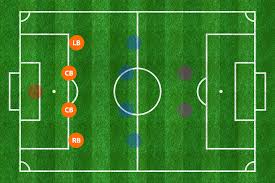
Under Kevin Kalish, the Saint Louis Billikens men’s soccer team leaned into a balanced blueprint, a compact mid-block that funnels play wide, then quick switches to exploit weak-side space. The shape toggled between a 4-3-3 and a back-three look in build, inviting fullbacks high to create overloads and manufacture cutback chances. In goal, A-10 Goalkeeper of the Year Jeremi Abonnel provided the platform, delivering nine shutouts and a 0.65 goals-against average that stabilized tight games, as recognized in SLU’s all-conference honors. Up top, Theo Franca supplied direct vertical threat and timely goals, including the opener in the A-10 quarterfinal, a reminder of his value in moments that swing tournaments, per La Salle’s recap. Center back Quinten Blair added calm in circulation and ice-cold execution from the spot, converting five penalties that proved decisive in knockout soccer, highlighted in TopDrawerSoccer’s College Cup feature. Carlos Leatherman’s positional discipline and ball-winning in rest-defense let SLU push numbers forward without losing control of transitions.
Metrics, resilience, and what comes next
SLU’s 1.25 goals per game on 11.2 shots tells a clear story, controlled tempo and an emphasis on high-value looks rather than volume shooting. That works when you defend at an elite level, but marginal gains in chance creation could lift the ceiling. Practical targets, add 2 to 3 more touches in the box per match, emphasize near-post runs on early crosses, and script third-man combinations to free the weak-side winger for cutbacks. Resilience underpinned the run, unbeaten in their last 13 after September 23, with a two-goal comeback versus Akron and shootout composure reinforcing confidence in closeouts. Strengths include defensive cohesion, set piece execution, and leadership at goalkeeper. Areas to refine, the final pass under pressure, crossing efficiency, and open-play finishing. With video review and updated penalty regulations arriving in 2025-26, bake in review-proof habits, precise keeper footwork on penalties, and standardized run-ups for designated takers. All of this positions the Billikens to turn tight wins into multi-goal results without sacrificing their defensive identity.
The Impact of Recruiting and Transfer Portals
Recruiting trends and SLU’s approach
NCAA men’s soccer is being reshaped by freer transfer movement and new roster caps, which incentivize coaches to favor proven college performers. Programs are planning to a 24 to 28 player cap beginning in 2025-26, elevating the premium on multi-year roster planning and positional redundancy, as outlined in this overview of the changing recruiting landscape. Contact still begins June 15 after a prospect’s sophomore year, so staffs front-load evaluations and keep relationships warm while monitoring portal windows. With roughly 25 percent of Division 1 rosters turning over via transfers each year, continuity must be engineered, not assumed. Kevin Kalish and Saint Louis Billikens men’s soccer have leaned into a blended model, anticipating portal movement and targeting experienced pieces that fit their compact shape, pressing triggers, and locker-room standards.
Inside the 2025 class and how it moves the needle
SLU’s 2025 intake is large and purposeful, 17 newcomers with 13 freshmen and 4 transfers, including three January arrivals for early integration, per BVM Sports’ announcement. The class addresses immediate needs while protecting long-term depth at goalkeeper, central midfield, and the front line. Given last season’s 1.25 goals per game and 11.2 shots per game, the clear mandate is sharper final-third production and more chance creation from wide zones. Expect transfers to compete right away for minutes at the 9 and 7/11 roles, while freshmen with pace and pressing IQ provide rotational value. Early enrollees are especially important in a spring that installs set-piece schemes and automations in buildup, accelerating contribution timelines.
Mining the portal, then sustaining continuity
Coaches are now sifting through an immense marketplace, roughly 206 programs’ worth of activity and about 9,600 players cycling into the portal each year. Efficient staffs build role-based filters, prioritize two-year impact profiles, and verify fit through video, tracking data, and direct references. Policy shifts such as expanded visit flexibility, highlighted in broader NCAA coverage like this AP update, reinforce that recruiting is a 12-month process. For SLU, the playbook is clear, pair targeted transfers with high-ceiling freshmen, keep classes staggered by position, and align scholarships to protect class balance. That approach preserves identity while staying agile, a prerequisite for competing deep into November in an increasingly portal-driven era.
Key Findings and Tactical Takeaways
What stood out in 2025
The saint louis billikens men’s soccer run was built on control of moments, not volume. They finished 13-3-8, lifted the A-10 trophy in penalties, and reached the College Cup semifinals after going unbeaten in their last 13 following a September 23 loss to Akron. Production sat at 1.25 goals on 11.2 shots per game, so chance creation efficiency, not shot quantity, became the differentiator. The defense conceded roughly 0.79 per game, which kept game states manageable and maximized late set piece value. In short, SLU paired a low-risk mid-block with selective surges that traveled well in tournament soccer.
How SLU adapted tactically
Through October, Kalish nudged pressing triggers five yards higher, which turned wide funnels into immediate counterattacks rather than simple resets. Goalkeeper Connor Dillman’s higher starting line and distribution stretched opponents who tried to overload central channels. Midfielder Carlos Leatherman carried progressing duties, often creating the second assist by drawing a second defender before releasing the weak-side runner. Set piece design tightened in November, visible in the A-10 championship thriller in penalties, a scenario they rehearsed relentlessly. With video review and penalty updates arriving in 2025-26, the staff emphasized discipline on restarts and clearer communication cues.
Actionable takeaways for D1 programs
Recruit to a blueprint, then use the portal to patch, not redefine. SLU added a 17-man recruiting class, four transfers plus 13 freshmen, mirroring a landscape where about 25 percent of rosters refresh annually. Track smaller roster debates and train two deep per role, because availability will decide tight matches. Marry data to film, using 2025 cumulative statistics to calibrate KPIs like shots per possession and expected rest-defense wins. For pipeline health, start genuine dialogue on June 15 after a prospect’s sophomore year. College Touchline can layer opponent trend reports, portal mapping, and rules change briefings so your staff stays a step ahead.
Future Outlook and Strategic Planning for the Billikens
Outlook based on current dynamics
The Billikens enter the next cycle with a spine that managed pressure moments, capped by a 13‑match unbeaten stretch to close 2025. A defense backstopped by A‑10 Goalkeeper of the Year Jeremi Abonnel, 11 shutouts and a 0.61 goals against average, offers a reliable platform. The attack created 11.2 shots per game but converted at 1.25 goals per game, which suggests an emphasis on shot quality and final-third decision making. Emergent scorers like freshman Theo Franca and graduate forward Quinten Blair, five goals each, provide a template for rotating hot hands while the staff evaluates finishing efficiency. With 17 newcomers, 13 freshmen and 4 transfers, and returners such as goalkeeper Connor Dillman and midfielder Carlos Leatherman, internal competition should lift training intensity without diluting the core identity.
Strategic planning, NCAA alignment, and data‑driven tweaks
Planning should anticipate potential roster caps of 24 to 28, so prioritize players who cover multiple positions and build a clear depth matrix by class year to avoid gaps. With NCAA recruiting contact allowed from June 15 after a prospect’s sophomore year, pre-build ID lists by March, lock June touchpoints, and stack fall officials before conference play. Assume roughly 25 percent annual transfer movement across Division I, keep two to three scholarships flexible and one international slot open through the winter portal. Data targets are straightforward: nudge volume to 12.5 shots per game while increasing high‑value looks, six shots per match from the cutback corridor between zone 14 and the penalty spot, and raise set‑piece output to 0.30 xG per match with a dedicated left‑footed outswing option. With video review and updated penalty regulations in 2025‑26, incorporate weekly VAR decision games, retake scenarios, and a ranked penalty order built on historical conversion and keeper tendencies.
Challenges, opportunities, and how College Touchline helps
Challenges will center on portal churn, minutes management during congested October weeks, and recruitment battles for impact-ready upperclass transfers. Opportunities are equally clear, leverage an A‑10 title and deep NCAA run to win early with 2027s and to attract one elite chance creator who lifts team xG. Calibrate nonconference scheduling for two RPI A opponents and one stylistic contrast to stress test the mid‑block before league play. College Touchline can accelerate this plan with opponent tendency reports, portal landscape trackers, and recruiting calendars aligned to NCAA rules, plus dashboards benchmarking chance creation, pressing efficiency, and set‑piece xG against A‑10 and national quartiles. We also offer scholarship allocation models, keep‑or‑loan decision trees for freshmen, and rule‑change briefs that translate analytics into weekly training tasks and long‑term roster architecture.
Conclusion: Building on Momentum
Momentum is not an accident for Saint Louis. A 13-3-8 finish, the A-10 title on penalties over Dayton, and a College Cup semifinal run capped an unbeaten stretch of 13 matches. With 1.25 goals per game from 11.2 shots, the saint louis billikens men’s soccer profile prioritized game control and late efficiency rather than volume. That approach, anchored by steady goalkeeping from Connor Dillman and midfield balance through Carlos Leatherman, travels well in knockout play. In the broader NCAA picture, it shows that disciplined chance management, plus elite penalty readiness as rules evolve around video review and kick procedures, can close the gap on resource heavy programs.
For staffs chasing momentum, start with shot quality. Convert 11.2 attempts into 5 on target and lift finishing from 11 percent to 15 percent to add 0.4 goals per game across 24 matches, enough to flip draws. Plan rosters as Power 4 eyes 24 to 28 players and 25 percent of D1 spots change via transfers, keep portal board and role-based depth charts. Contact begins June 15 after a prospect’s sophomore year. Rehearse penalty routines and video review cues weekly, auditing results. College Touchline can help with scouting, portal analysis, and recruiting calendars.