 By
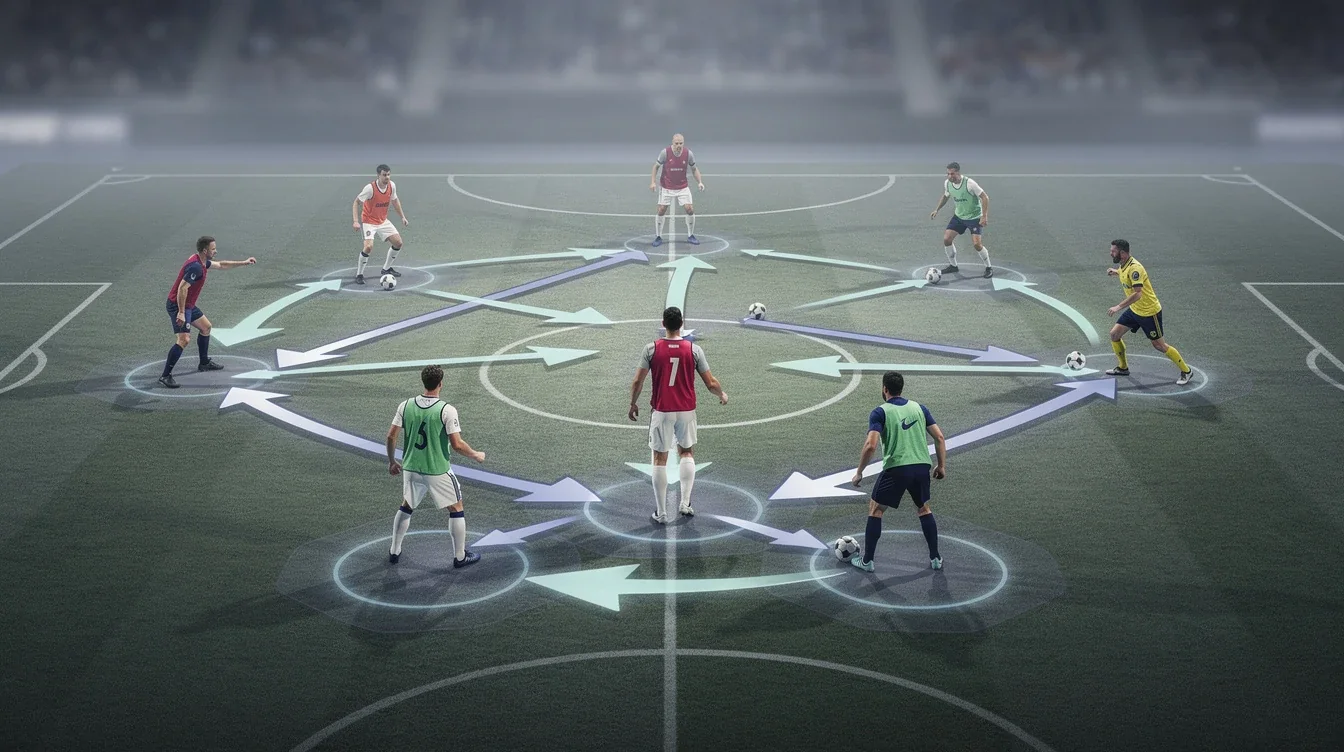
ByWhen you watch a top NCAA Division 1 midfielder glide across the pitch, you’re not just witnessing technical skill—you’re seeing elite spatial awareness in action. The best midfielders don’t just react to the game; they anticipate, position, and dictate tempo by reading the field like a chessboard. Whether you’re a rising recruit, a seasoned starter, or a coach looking to sharpen your squad’s edge, understanding and developing spatial awareness is essential for midfield dominance. Let’s break down the techniques and mindsets that can set you apart at the college level.
What Is Spatial Awareness in Soccer?
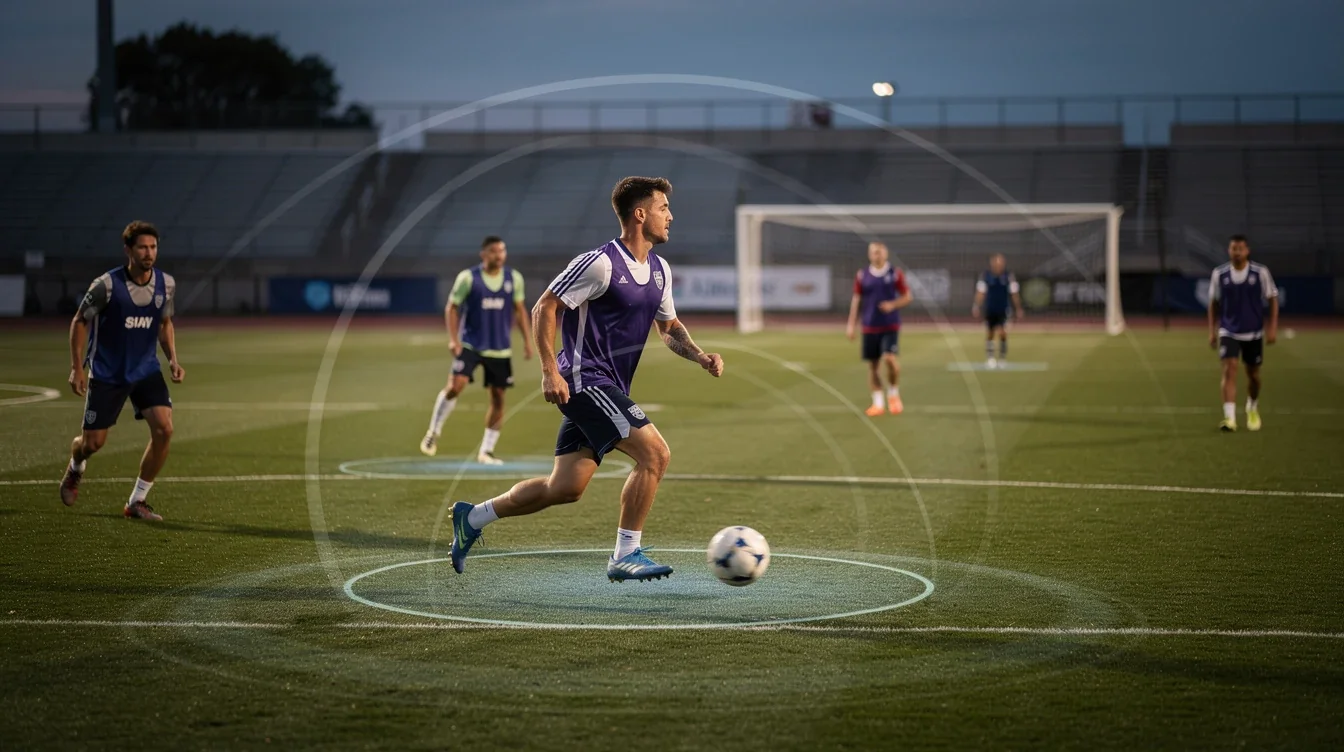
Spatial awareness is the ability to perceive, understand, and react to everything happening around you on the field. For college midfielders, this means knowing where your teammates, opponents, and open spaces are—even before the ball arrives. It’s a mix of vision, anticipation, and quick decision-making that allows you to play one step ahead.
Great spatial awareness lets you:
- Receive under pressure and escape tight spaces
- Switch play to exploit weak sides
- Make yourself available for passes
- Deny dangerous passing lanes defensively
While some players seem born with this sixth sense, the truth is that spatial awareness can be trained and improved. In the NCAA, where every yard and every second matters, honing this skill can turn you into the heartbeat of your team.
Pro tip: In training, try playing small-sided games with limited touches. This simulates game pressure and forces you to process spatial information quickly.
Scanning: The Midfielder’s Secret Weapon
If you watch film of elite collegiate or pro midfielders, you’ll notice constant head movement—scanning the field before receiving the ball. Scanning is the act of checking your surroundings, typically by turning your head, to gather visual information before you make your next move.
Why is scanning so critical? Because it lets you:
- Predict pressure and avoid tackles
- Identify passing options before the ball arrives
- Spot gaps and spaces to exploit
A midfielder who scans multiple times before receiving is far more likely to play forward, split lines, and avoid costly turnovers.
To improve your scanning:
- Make it habitual: Scan before, during, and after receiving.
- Vary your angle: Check both shoulders, not just one side.
- Use your “blind spots”: Scan areas behind you, especially when playing as a pivot.
Pro tip: Challenge yourself in training to scan three times before the ball reaches you. Start slow, then increase tempo as it becomes second nature.
Movement Off the Ball
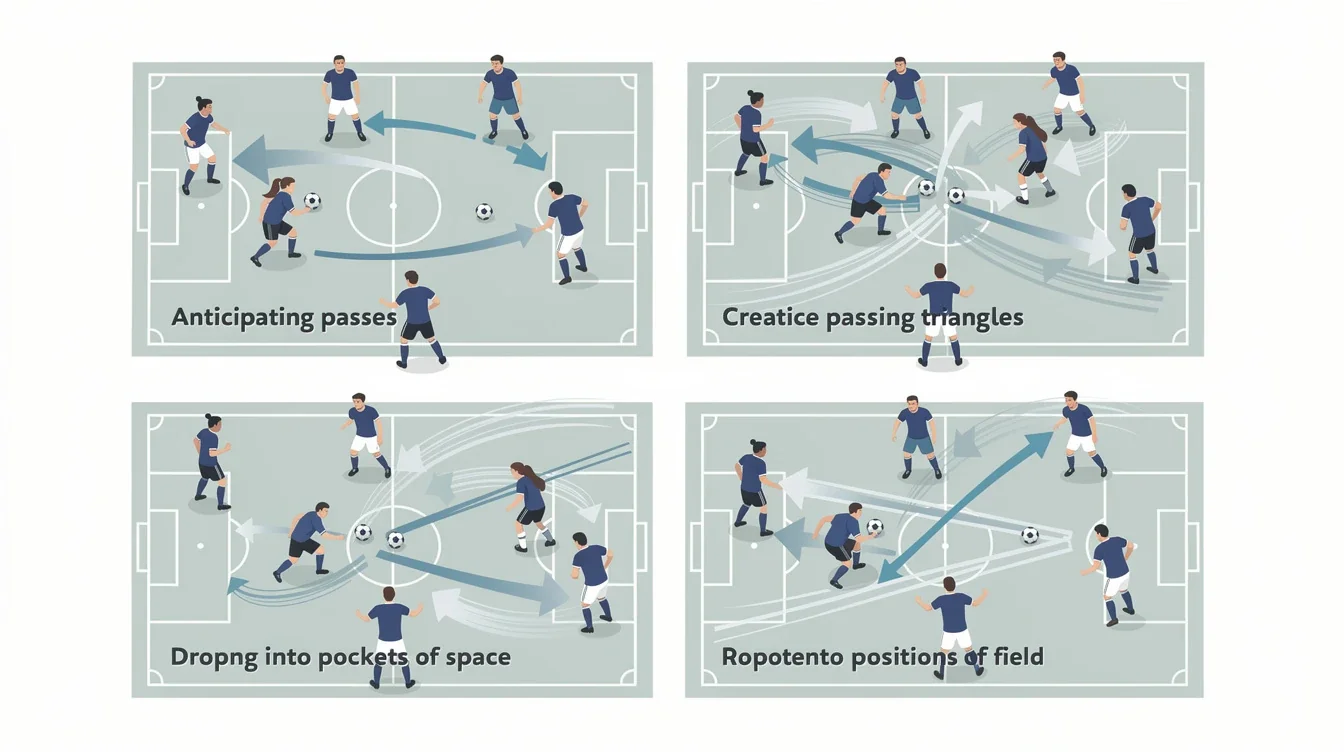
Spatial awareness isn’t just about seeing; it’s about acting. The best midfielders are masters of movement off the ball, constantly adjusting their position to support teammates, create space, and disrupt opponents’ defensive shape.
Key aspects of off-ball movement include:
- Timing your runs: Arriving late in the box or pulling wide at the right moment can open up defenses.
- Creating angles: Don’t stand in straight lines; find diagonal pockets to receive under less pressure.
- Rotations: Switch positions with other midfielders to confuse markers and open passing lanes.
In college soccer, where pressing is relentless and space is often at a premium, subtle but intelligent movement can make all the difference. It’s less about running more, and more about running smarter.
Pro tip: In your next training session, focus on repositioning every 2-3 seconds when your team is in possession. Even a small adjustment can open up new passing lanes.
Communication and Cues
Spatial awareness is amplified when it’s shared. The top midfielders don’t just process information for themselves—they communicate it to teammates, subtly or overtly, to orchestrate play.
Effective communication includes:
- Simple cues: Use quick shouts like “turn,” “man on,” or “time” to alert teammates.
- Body language: Pointing, eye contact, and even a subtle gesture can direct play.
- Pre-set triggers: Agree on certain movements or switches before the match to streamline decision-making during play.
On the defensive side, sharing what you see—like tracking late runners or calling out switches—can prevent breakdowns and keep your team compact.
Pro tip: When you’re off the ball, narrate the game to yourself and your teammates. The more you verbalize, the sharper your awareness and the more connected your midfield unit becomes.
Training Drills to Sharpen Awareness
Developing spatial awareness isn’t just mental—it’s physical and tactical, too. The right drills can hardwire key habits and make them automatic in game situations.
Some effective drills include:
- Rondos with limited touches and defenders pressing from different angles, forcing you to scan and move constantly.
- Shadow play, where the midfield unit moves through passing patterns, focusing on awareness of space and timing.
- “Chaos” rondos, with extra balls or surprise defenders entering, to simulate unpredictable game moments.
Film analysis is another powerful tool. Watching your own matches—or those of high-level midfielders—can reveal patterns, blind spots, and opportunities to improve.
Pro tip: After games, map out key moments where you lost possession or missed a passing option. Ask: Did I scan? Did I move into space? Was I communicating? Honest self-review accelerates growth.
Applying Awareness Under Pressure
College soccer is fast, physical, and often chaotic. The ability to maintain spatial awareness when fatigued or under heavy pressure separates average midfielders from the truly elite.
To stay sharp:
- Work on your fitness so you can think clearly late in games.
- Practice under fatigue in training with high-intensity drills.
- Develop routines—like habitual scanning and movement—that hold up under stress.
When the game speeds up, trust your preparation. If you’ve made awareness a habit in training, it’ll show up when it matters most—breaking pressure, finding a teammate in space, or intercepting a dangerous pass.
Pro tip: During tough matches, use breathing techniques to calm your mind and reset your focus. A clear head leads to better decisions, even in the heat of battle.
Conclusion
Spatial awareness is the foundation of elite midfield play in NCAA soccer. It’s what lets you control tempo, break lines, and become the connector between defense and attack. By committing to regular scanning, intelligent movement, sharp communication, and targeted training drills, you’ll not only boost your own game—you’ll elevate your entire team.
Every touch, every scan, every subtle step matters. Embrace the process, make awareness your habit, and you’ll find yourself dictating play from the college touchline in no time.