By
Every autumn, as NCAA Division 1 soccer heats up, conversations around the touchline buzz with one critical question: how do the best college teams keep their backlines both organized and unpredictable? The answer lies in tactical flexibility. At College Touchline, we believe understanding this flexibility isn't just for coaches and analysts—it's essential for players and fans, too. Today, let's break down how adaptable backlines are built, why they matter, and what this means for team performance and individual recruitment prospects.
The Evolution of College Backlines

NCAA soccer has long been a crucible for tactical innovation. Traditionally, teams stuck with tried-and-true back four formations, prioritizing solidity over risk. In recent years, however, we've seen a marked shift. Coaches are deploying back threes, switching between systems mid-game, and asking defenders to play multiple roles. Why? The college game is faster and more competitive than ever. Opponents scout better, attackers are more versatile, and the margin for error is razor-thin.
Tactical flexibility allows a team to adjust on the fly. If you're facing a high-pressing opponent, you might drop an extra player into the backline for support. If chasing a goal, you may push a fullback higher or switch to a three-at-the-back to overload the midfield. The most successful programs—think perennial powerhouses and upstart contenders alike—now recruit defenders as much for their mental agility as for their tackling or heading ability.
Pro tip: If you're a defender aiming for a top program, start learning multiple defensive shapes and roles. Versatility is a huge plus in the eyes of college coaches.
Key Systems and When to Use Them
Let’s break down the primary backline systems you’ll see in NCAA play: the back four, the back three, and hybrid systems. Each offers its own strengths and weaknesses, and the best teams switch between them as needed.
The classic back four (two center backs, two fullbacks) is still the NCAA standard. It offers stability, clear roles, and is well-suited to defending crosses and set pieces. But it can be vulnerable to overloads out wide or against teams playing three forwards.
The back three (often three center backs, with wingbacks) is gaining traction. This system provides extra cover through the middle and allows wingbacks to push high, stretching the field and creating overloads in attack. However, it demands defenders who are comfortable on the ball and capable of covering large spaces, especially against quick transitions.
Hybrid systems—like a 4-4-2 out of possession morphing into a 3-4-3 in attack—are the hallmark of tactically flexible teams. They require exceptional communication and awareness, but when executed well, they can confuse opponents and create numerical advantages in key areas of the pitch.
Pro tip: Coaches love defenders who communicate. If you're learning a new system, be the player who keeps everyone on the same page.
Player Profiles: What Makes a Flexible Defender?
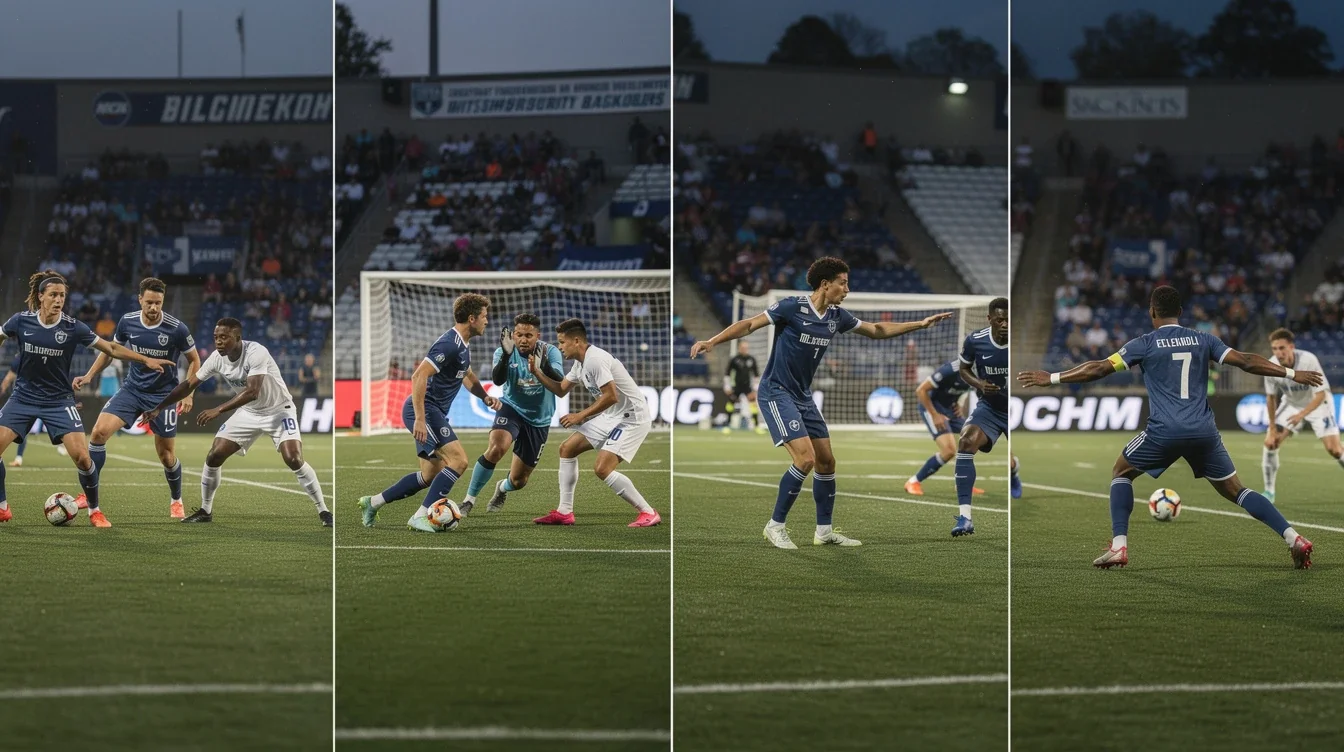
So, what exactly does a “flexible” defender look like in the college game? First, they’re students of the game—always watching, learning, and adapting. They’re comfortable in multiple positions: a center back who can step into midfield, or a fullback who can drop into a back three.
Tactical flexibility also means being two-footed, having a solid first touch, and possessing the vision to read the game several moves ahead. These players are calm under pressure, quick to adjust their positioning, and relentless communicators. Mental resilience is just as important as physical ability, especially when shifting systems mid-game.
From a recruiting standpoint, coaches now prioritize defenders who show this kind of adaptability in their club or high school footage. If you can demonstrate comfort both in a flat back four and as part of a three-player backline, you’ll stand out in the recruiting process.
Pro tip: Film yourself playing in different positions and systems. Highlight your adaptability when sending footage to college coaches.
Training for Tactical Adaptability
Building tactical flexibility is a daily process. It starts on the training ground, where defenders are put through drills that force them to make quick decisions and adapt to different shapes. Coaches use scenario-based training—simulating in-game situations where the backline must adjust quickly, such as shifting from a defensive block to a high press, or defending with a player down.
Video analysis is another key tool. Top programs review game footage to identify moments when their backline was exposed—or when a subtle adjustment could have changed the game’s outcome. Players are encouraged to speak up, ask questions, and take ownership of their roles in each system.
Importantly, flexibility isn’t about constant change for its own sake. It’s about understanding when to adjust, why you’re adjusting, and how your actions affect the rest of the team. That requires trust between players and coaching staff, and a shared vocabulary for communicating changes on the fly.
Pro tip: In practice, ask your coach to let you play out of your comfort zone—try new roles and systems to build your tactical toolkit.
Recruiting, Transfers, and the Modern Defender
With the transfer portal and heightened competition for roster spots, tactical flexibility isn’t just a buzzword—it’s a career-defining skill. College coaches are meticulous in how they build their backlines, often looking for defenders who can fill multiple roles, especially as injuries and suspensions mount over a long season.
For recruits, demonstrating flexibility can open doors. If you’re transferring, be ready to discuss how you’ve adapted to different systems at your previous school. For high schoolers, highlight your experience in various positions and formations on your game film and in conversations with coaches.
The best college defenders treat every system as a learning opportunity. They’re not just filling a gap—they’re actively shaping the game’s flow. And as the college game continues to evolve, those who can adapt and thrive in multiple tactical setups will be the ones who stand out, earn playing time, and give their teams a critical edge.
Pro tip: In your recruiting conversations, ask coaches about their preferred systems and how they see you fitting in. Show that you’re curious and coachable.
Conclusion
Tactical flexibility in NCAA soccer backlines isn’t just a theoretical concept—it’s an essential ingredient for team success and player development. The ability to adapt, communicate, and thrive in multiple systems sets elite college programs and players apart from the rest. Whether you’re a coach looking to build a championship defense, a player hoping to catch the eye of recruiters, or a fan eager to understand the game’s nuances, embracing tactical flexibility is your ticket to the next level. Stay curious, keep learning, and you’ll be ready for whatever comes your way on the college touchline.