 By
ByIf you watch any top NCAA Division 1 soccer match, you'll notice the midfield is where games are won and lost. It's not just about individual brilliance—it's about partnerships, chemistry, and tactical awareness. College Touchline is here to break down how midfield partnerships function at the highest collegiate level, why they matter, and how players and coaches can build the kind of synergy that delivers results. Whether you're a player looking to sharpen your tactical edge or a coach seeking the right blend in the middle, understanding these dynamics is crucial.
The Midfield Engine: Roles and Responsibilities
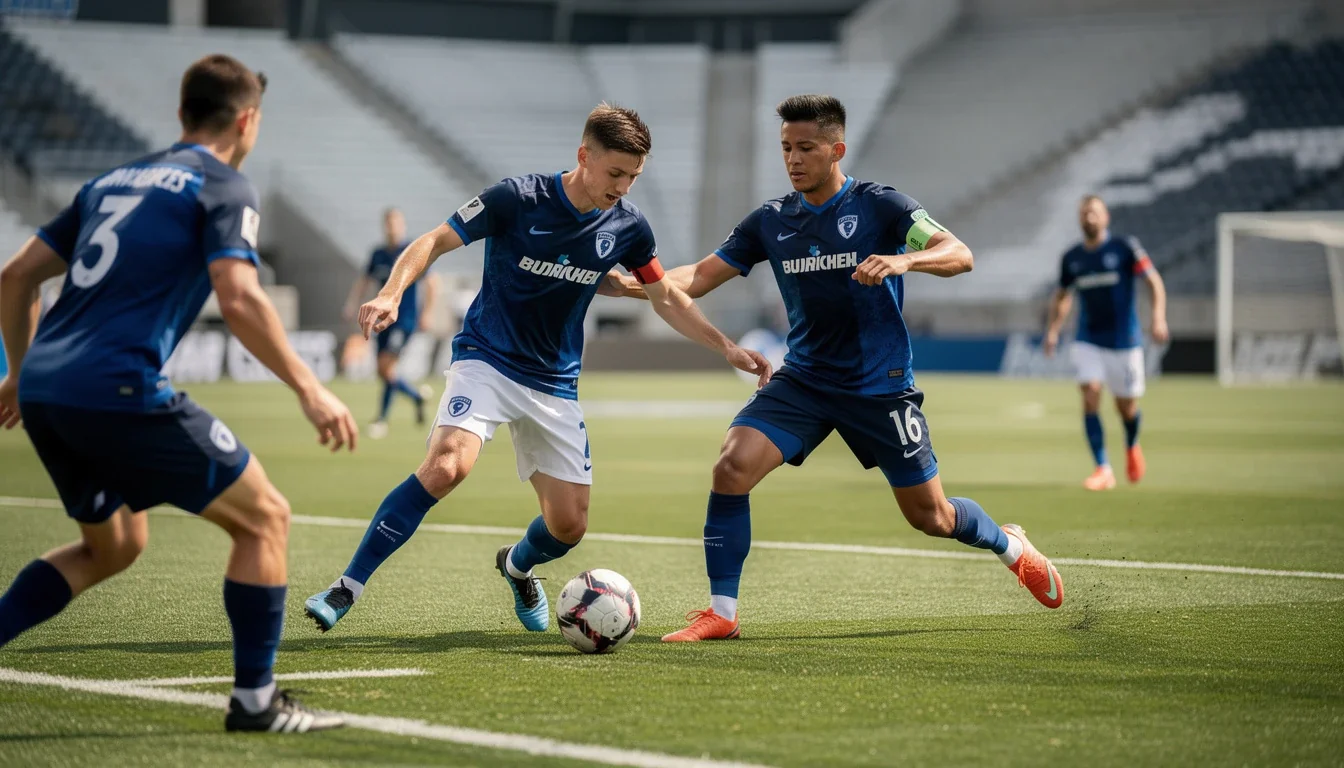
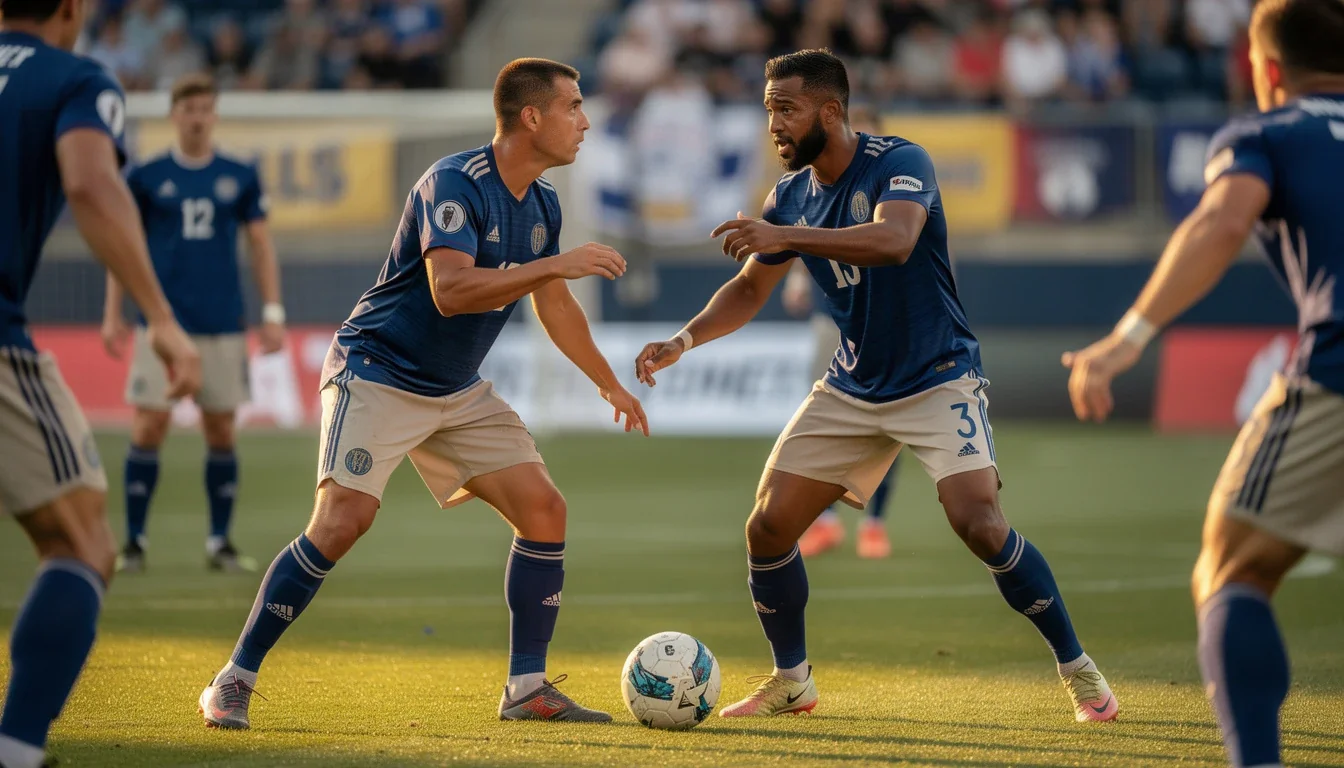
The modern collegiate midfielder is a hybrid—part destroyer, part creator, part metronome. In NCAA D1, teams often deploy a central midfield partnership, whether in a 4-2-3-1, 4-4-2 diamond, or a fluid 4-3-3. The dynamic between these two (or sometimes three) players is the engine that keeps the team ticking.
A typical partnership involves a balance between a defensive midfielder (the "6") and a box-to-box or creative midfielder (the "8" or "10"). The "6" screens the backline, breaks up opposition play, and initiates attacks, while the more advanced partner links defense to attack, supports the forwards, and dictates tempo.
But roles are rarely static. NCAA coaches value versatility—players who can read the game, switch roles on the fly, and cover for each other. Communication and awareness are the glue that binds a partnership, especially when facing high-tempo, transition-heavy opponents.
Pro tip: Watch how top D1 teams like Stanford and Wake Forest use their midfielders. Notice not just where they stand, but how they move in relation to each other and the ball.
Chemistry and Communication: The Intangibles
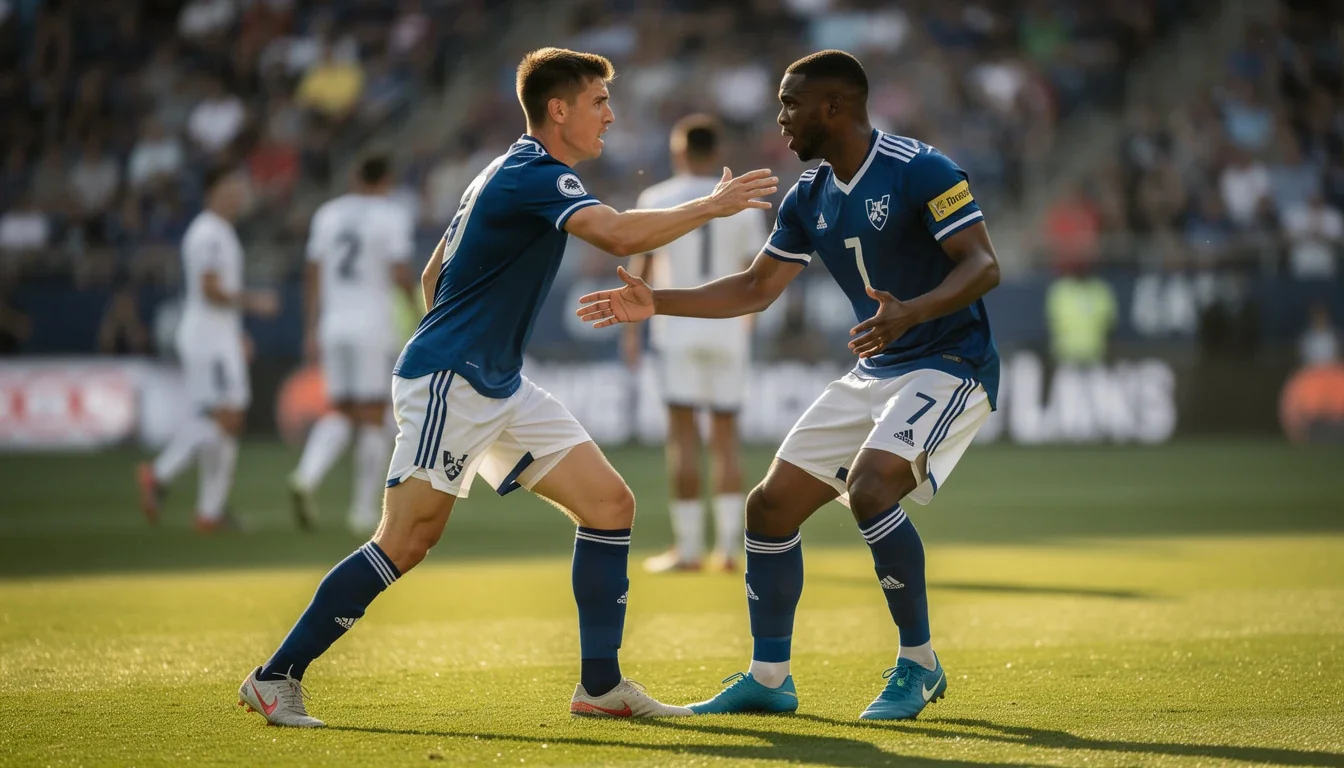
Tactics and roles are important, but the best midfield partnerships have something less tangible: chemistry. This goes beyond knowing your own job—it's about understanding your partner's tendencies, strengths, and weaknesses. The best duos anticipate each other's moves, cover gaps instinctively, and communicate constantly—verbally and nonverbally.
In the pressure-cooker environment of D1 soccer, a split-second decision can make or break a game. If one midfielder steps forward to press, the other must cover. If a pass goes astray, their partner needs to recognize the danger and react. This kind of symbiotic play is built in training, through reps, small-sided games, and, most importantly, shared experience.
Many coaches foster chemistry by pairing players consistently during training and matches, even rotating captains through the midfield to encourage leadership and accountability. Off the field, team-building and open communication are just as important. Trust is forged both on and off the pitch.
Pro tip: Midfield duos that spend extra time reviewing game film to gether often develop a shared tactical language, allowing for quicker in-game adjustments.
Tactical Adaptations and Game Management
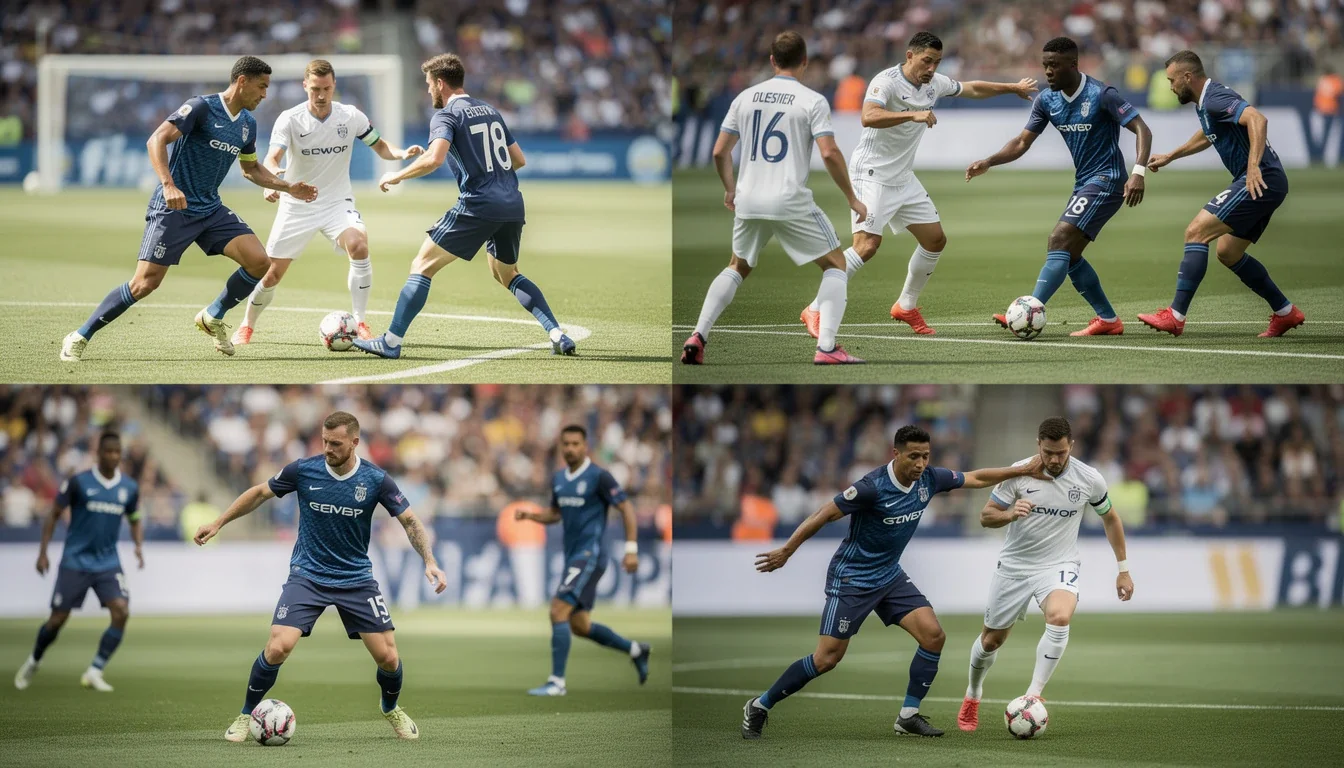
No two NCAA D1 matches are the same—opponents, weather, and game states force midfield partnerships to adapt. The most effective pairings can shift their approach based on what the game demands.
Against a high-pressing opponent, one midfielder might drop deeper to offer an outlet, while the other finds pockets between the lines. Facing a low block, both may push higher to maintain pressure and recycle possession. When protecting a lead, the duo becomes more conservative, focusing on ball retention and spatial awareness.
Game management is a hallmark of elite midfielders. They know when to quicken the tempo, when to slow it down, and how to draw fouls to relieve pressure. NCAA coaches often empower their central midfielders to act as on-field coaches, making tactical adjustments in real time.
Pro tip: If you're a midfielder, develop your "game IQ" by watching how professionals manage different phases of play. Notice when they take risks versus when they keep it simple.
Recruitment: What Coaches Look For
For aspiring D1 midfielders, understanding what coaches value in a partnership can make all the difference in recruitment. Technical skills—first touch, passing range, tackling—are baseline requirements. But coaches also look for tactical intelligence, work rate, and, crucially, the ability to play within a partnership.
When scouting, coaches observe how a player interacts with teammates. Do they talk? Are they aware of the bigger picture? Can they adapt their game to complement different partners? Players who can adjust their positioning and decision-making to suit the team's needs are highly sought after.
Leadership qualities are especially prized. Many successful D1 teams have a "coach on the field" in the midfield, organizing the press, directing teammates, and setting the tone for the team's work ethic. Showcasing these qualities in club and high school soccer, as well as during college ID camps, can significantly boost a player's recruitment profile.
Pro tip: During showcase events, don't just focus on your own performance. Make your communication, tactical awareness, and ability to connect play obvious to coaches watching from the touchline.
Building and Sustaining Effective Partnerships
Building a great midfield partnership doesn't happen overnight. It requires deliberate practice, honest feedback, and a commitment to improvement. Coaches play a key role by creating training environments that challenge players to solve problems to gether, not just as individuals.
Rotating pairings in training can help players develop adaptability, but long-term partnerships often yield the best results. Consistency allows midfielders to develop a deep understanding of each other's timing, preferences, and decision-making processes.
Feedback loops are essential. After games, reviewing film to gether and discussing what worked (and what didn't) helps partnerships refine their approach. Both players must be open to constructive criticism and willing to make adjustments for the good of the team.
Fitness can't be overlooked—midfielders cover more ground than almost any other position, and a partnership is only as strong as its weakest link physically. Off-field habits, from nutrition to recovery, directly impact on-field performance.
Pro tip: Set partnership goals with your midfield partner. Whether it's maintaining a certain pass completion rate or minimizing turnovers under pressure, shared objectives keep both players accountable.
Conclusion
The heart of any successful NCAA Division 1 soccer team lies in its midfield partnerships. It's a blend of tactics, chemistry, adaptability, and leadership—qualities that take years to hone but can transform a good team into a great one. For players, investing in your understanding of partnership dynamics is the surest route to both individual and team success. For coaches, building and nurturing the right pairings is a strategic priority that pays dividends every time your team steps onto the field. At College Touchline, we're passionate about unlocking these insights so you can elevate your game, your team, and your future in D1 soccer.