
 By
ByIt’s no secret: the college soccer landscape is transforming fast. The NCAA transfer portal has become a powerful tool, and by 2026, it’ll be even more influential in shaping team rosters and player careers. For midfielders—the engines of the game—the portal presents both opportunities and challenges unique to their role. At College Touchline, we’re here to break down what priorities midfielders should focus on, what coaches want, and how to make smart, strategic moves in this evolving environment. Whether you’re a player looking to level up, a coach planning your next campaign, or a fan eager to understand the chess game behind the scenes, this guide will give you the insight you need.
Understanding the 2026 Transfer Portal Landscape

The transfer portal is now a permanent fixture of NCAA soccer, and its influence is only growing. By 2026, expect even more transparency, faster communication between programs and players, and a data-driven approach from coaching staffs. For midfielders, this means your profile isn’t just about talent anymore—it’s about fit, readiness, and savvy navigation.
Coaches are using advanced metrics to evaluate midfielders: passing efficiency, defensive recoveries, progressive carries, and pressing intensity. They’re not just looking at highlight reels; they’re examining how you influence tempo, link play, and execute tactical instructions. This means that when you enter the portal, you need to present a total package—on and off the ball.
Pro tip: Before entering the portal, gather your advanced stats (heat maps, pass completion in different zones, pressing success rates). This data will set you apart in an increasingly analytical recruiting environment.
The Evolving Role of the Midfielder
The modern D1 midfielder isn’t confined to one style or system. Box-to-box runners, deep-lying playmakers, tactical destroyers, and creative No. 10s—all are in demand, but only if they fit a coach’s specific game model. As teams adopt more nuanced pressing schemes or positional play, midfielders must show flexibility and high soccer IQ.
By 2026, the expectation is that midfielders will:
- Read and manipulate pressing triggers
- Support transitions both defensively and offensively
- Master spatial awareness to find pockets between lines
Programs are prioritizing midfielders who can adapt to multiple roles, communicate well, and anchor a team’s tactical identity. If you’re looking to transfer, understand not just your strengths, but how they map to potential landing spots’ systems.
Pro tip: Watch full-match replays of your target programs. Note how their midfielders move, defend, and support attacks. Tailor your highlight reel and conversations to show you “speak their soccer language.”
Maximizing Exposure and Communication
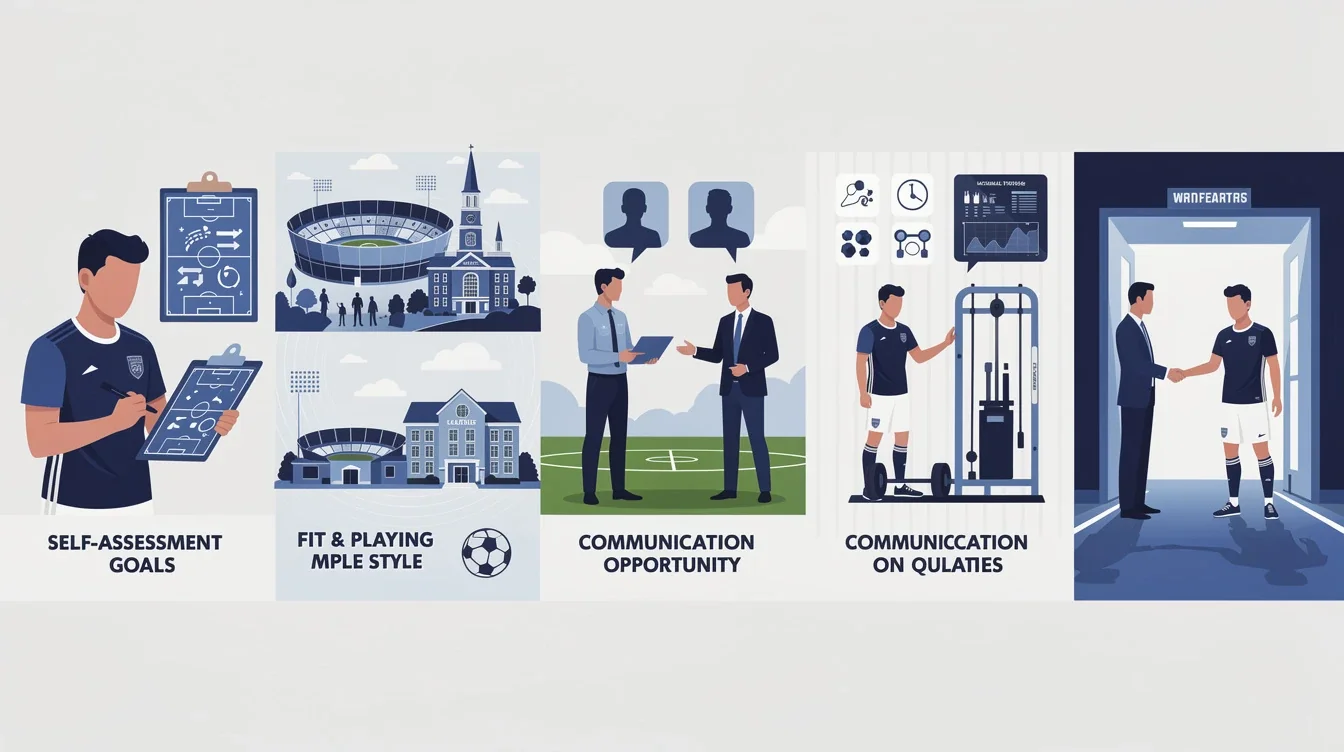
Getting noticed in the transfer portal is about more than uploading your name and stats. It’s a process of targeted communication, building relationships, and showing how you’ll solve a coach’s problems. For midfielders, this is especially true—coaches look for leadership, reliability, and tactical buy-in.
Start by crafting a clear, concise player profile. Highlight your unique selling points: Are you a tempo-setter? A relentless presser? An elite distributor under pressure? Back up your claims with video clips and game data. Reach out to programs whose systems match your strengths, and be specific in your approach.
Don’t forget the importance of references, either. College coaches value input from trusted sources—club coaches, previous college coaches, or even respected teammates. These voices can vouch for your character, training habits, and adaptability in a new locker room.
Pro tip: Personalize every message to coaches. Reference a recent game or tactical trend you’ve noticed in their team. Show you’ve done your homework and are invested in their program, not just looking for any landing spot.
Balancing Performance, Academics, and Eligibility
The transfer portal isn’t just a soccer decision—it’s about academics, eligibility, and personal fit. NCAA rules continue to evolve, but by 2026, expect more streamlined processes and clearer guidelines for transfers. Still, midfielders must stay proactive.
Confirm your academic standing before making any moves. Some programs have strict GPA or major-specific requirements. Work closely with your compliance office to ensure you’ll be eligible to compete immediately, especially if transferring within the same division or conference.
Also, consider your development timeline. Are you looking for immediate playing time, or are you willing to redshirt and compete for a starting role in year two? Midfield is a demanding spot, often requiring trust and tactical understanding. Be honest with yourself—and with coaches—about your readiness to contribute.
Pro tip: Ask coaches about their academic support systems, graduation rates, and how they’ve handled past transfers. You want a program that will back you on and off the pitch.
Tactical Fit and Long-Term Development
Every midfielder wants to find a home where their style shines, but the right fit goes beyond Xs and Os. By 2026, D1 programs will be even more system-driven, with specific roles for central, wide, and hybrid midfielders.
Do your research on each program’s tactical philosophy. Are they possession-oriented or direct? Do they build through the middle or exploit wide overloads? What’s the average number of touches for a starting midfielder? This information will help you target schools where you’ll thrive, not just survive.
Don’t overlook the coaching staff’s reputation for player development. Some programs churn out professional-caliber midfielders; others are known for tactical flexibility or leadership grooming. These factors matter for your long-term growth and career ambitions.
Pro tip: During conversations with coaches, ask about their vision for your role over your eligibility. Seek programs that offer a clear development pathway, not just a short-term roster boost.
Building Your Brand as a Midfielder
The transfer portal is as much about marketing as it is about soccer. By 2026, expect more emphasis on personal branding—how you present yourself online, interact with teammates, and represent a program.
Update your social media profiles to reflect your soccer journey, accomplishments, and leadership qualities. Share match analysis, training habits, and community involvement. College coaches notice players who carry themselves with professionalism and confidence.
Remember, too, that your reputation follows you. Coaches talk, and the soccer world is smaller than you think. Be the midfielder known for your work ethic, tactical discipline, and willingness to elevate those around you. These intangible qualities often tip the scales in transfer decisions.
Pro tip: Record short clips explaining your approach to the game, your leadership style, or how you overcome adversity. These video “resumes” can help you stand out in a crowded portal.
Conclusion
The transfer portal will reshape college soccer in 2026, and midfielders will be at the heart of that change. Success isn’t just about skill—it’s about understanding your role, targeting the right programs, and communicating your value with clarity and confidence. Whether you’re seeking a bigger stage, a better fit, or a fresh start, focus on the priorities that matter: tactical fit, academic progress, personal growth, and genuine connection with your future team.
At College Touchline, we believe the next great midfielder can come from anywhere, but the smartest ones always do their homework. Use these strategies to make your next move count, and you’ll be ready to own the center of the pitch—wherever you land.