 By
ByThere’s a reason every top NCAA Division 1 program spends hours in the film room: the midfield is the engine room of college soccer, and tactical mastery here can be the difference between a deep postseason run and an early exit. At College Touchline, we know that getting a handle on midfield performance through film review isn’t just for coaches—it’s for serious players and fans who want to understand the game’s finer points, make smarter recruitment choices, and elevate their soccer IQ. Whether you’re a head coach prepping for the College Cup or a midfielder aiming to earn a starting spot, let’s break down the most effective film review techniques for analyzing the heart of the pitch in 2026.
Why Midfield Film Review Matters
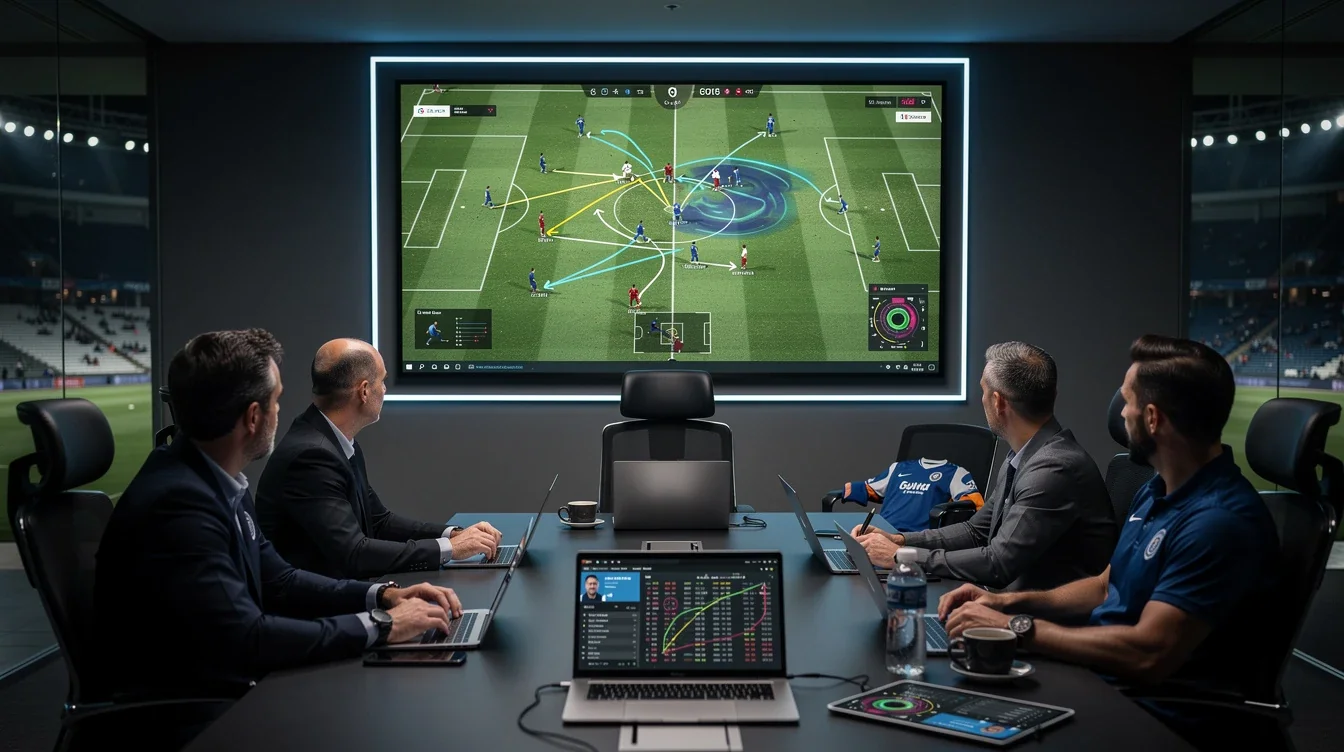
It’s easy to get lost in highlight reels and flashy goals, but the real story of any match is often written in the center of the field. The midfield dictates tempo, connects defense to attack, and is the primary battleground for possession. College coaches have recognized this for years—now, with advanced filming technology and analytical tools, midfield film review is more powerful than ever.
A good film session can reveal subtle positioning errors, breakdowns in communication, and moments where a split-second decision in the midfield changed the game’s direction. For players, this means understanding how to read the flow, anticipate transitions, and make yourself invaluable to recruiters. For coaches, it’s about identifying patterns—both your own and your opponents’—to craft smarter game plans.
Pro tip: Focus first on the sequences that lead to chances—both for and against. The build-up and breakdowns frequently start in midfield.
Key Areas to Analyze in Midfield Play
To get the most out of your film review, zero in on these core aspects of midfield play:
1. Off-the-Ball Movement:
Elite midfielders aren’t just waiting for the ball—they’re constantly shifting, scanning, and creating angles. Use film to track how your midfield line moves as a unit, how players fill space left by overlapping fullbacks, and how quickly they transition between attacking and defensive shapes.
2. Spatial Awareness and Positioning:
Watch for how midfielders position themselves in relation to both the ball and their opponents. Are they receiving passes on the half-turn? Are they checking their shoulders? Good positioning creates time and space, bad positioning invites pressure and turnovers.
3. Decision-Making Under Pressure:
Midfielders are often surrounded by opponents. Pause the film during high-press situations—did the player pick the right passing option? Did they take too long on the ball or force a risky play? Understanding these moments helps identify players who can handle the pace and physicality of D1 soccer.
4. Defensive Transitions:
The best college teams in 2026 are lightning-quick at regaining their defensive shape when possession is lost. Analyze how quickly your midfielders react, communicate, and recover. Are they cutting off passing lanes? Are they helping double-team the ball?
Pro tip: Zoom in on the first 5 seconds after possession is lost—this window is critical for understanding transition behavior.
Advanced Tools and Technology in 2026
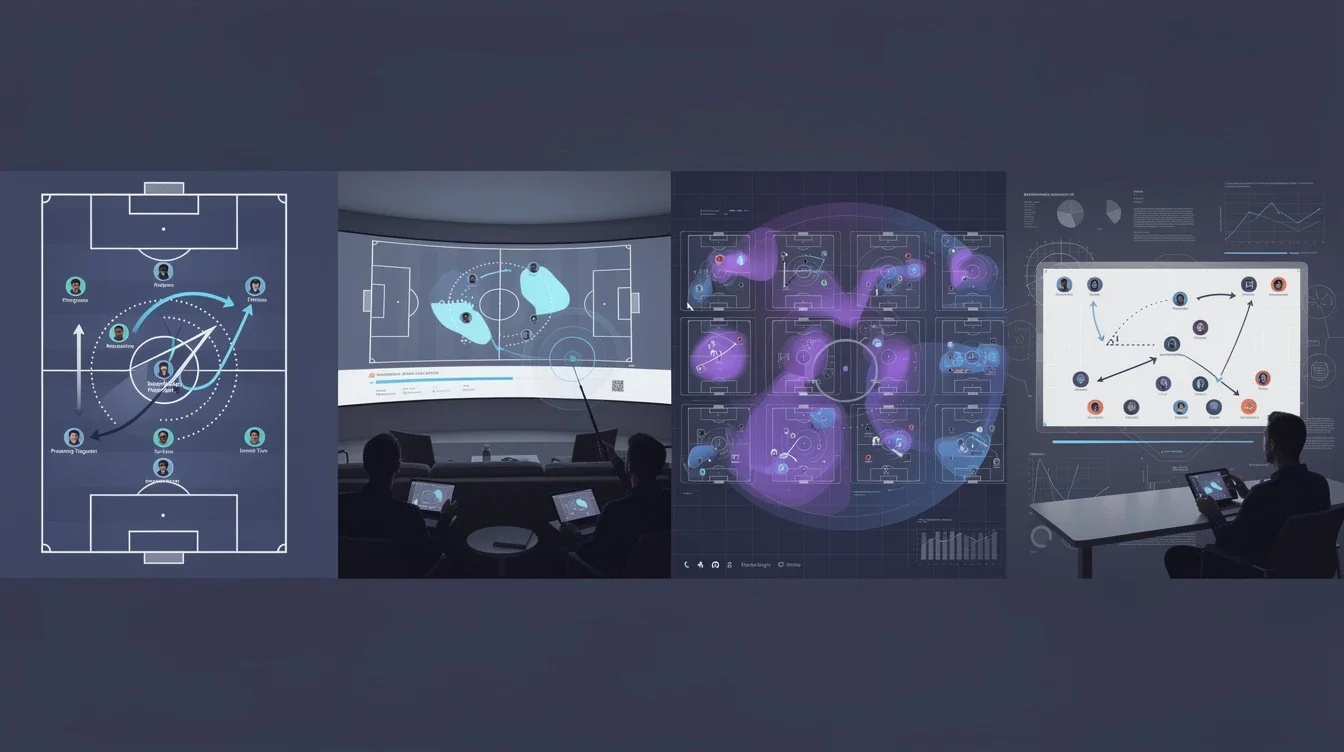
The film review process in college soccer has evolved rapidly. Gone are the days of grainy camcorder footage and manual note-taking. Now, most D1 programs use multi-angle HD video, player tracking data, and even AI-powered analytics.
Multi-Angle Video:
Most games are recorded from both a tactical cam (wide angle) and a sideline or endline cam (closer action). The tactical cam is your best friend for midfield review, as it captures team shape, spacing, and movement off the ball.
Player Tracking and Heatmaps:
Modern systems can overlay heatmaps and movement trails on top of match footage. This helps identify which midfielders are covering the most ground, who’s drifting out of position, and how your team’s shape shifts over 90 minutes.
AI Tagging and Event Detection:
Some platforms can now automatically tag key events—like turnovers, completed passes, or pressing triggers—letting you jump straight to relevant clips. This saves time and ensures you’re not missing those crucial, teachable moments in the midfield.
Pro tip: Don’t let the technology distract you—use it to highlight trends, but always return to the footage for true context.
Structuring a Productive Film Session
A well-run film review is more than just watching the game again. Whether you’re a coach or a player, structure your sessions to maximize learning.
Start with Clear Objectives:
Before you even hit play, decide what you’re looking for. Are you focusing on breaking an opponent’s press? Improving your team’s defensive recovery? Be specific, and let these goals guide your viewing.
Watch in Segments:
Don’t try to analyze everything at once. Break the film into phases—attacking build-up, defensive shape, set pieces, transitions. This keeps sessions focused and prevents information overload.
Encourage Interaction:
Film review is most effective when it’s a conversation. Pause the action and ask players what they saw, what options they had, and how they might react differently. This builds tactical awareness and empowers players to make smarter choices in real time.
Assign Follow-Up Actions:
Great film work leads to tangible improvement. After each session, assign specific goals—like working on checking shoulders before receiving, or improving communication during defensive transitions.
Pro tip: Limit sessions to 30-45 minutes and focus on 2-3 key themes. Quality beats quantity every time.
Player-Centric Film Review: How to Self-Scout
It’s not just coaches who should be living in the film room. For aspiring D1 midfielders and those hoping to transfer or get recruited, self-scouting is essential. Here’s how to make it work for you:
Record Your Matches (and Training):
Even if your college or club doesn’t provide film, set up your own camera. The angles may be rough, but you’ll gain invaluable insight into your play.
Pick Three Actions to Track:
Choose a few key actions—like successful passes under pressure, interceptions, or supporting runs—and tally them as you watch. This builds self-awareness and helps you set specific improvement targets.
Be Honest, Not Harsh:
It’s easy to get frustrated with mistakes, but remember: every player has bad moments. Use film to identify recurring habits (good and bad) instead of obsessing over individual errors.
Share and Get Feedback:
Send clips to coaches, mentors, or trusted teammates. Fresh eyes can spot things you might miss, and constructive feedback accelerates growth.
Pro tip: Make highlight reels for yourself, but don’t shy away from including tough moments. Coaches value players who are eager to learn and improve.
Using Film Review for Recruitment and Transfers
Film isn’t just about fixing mistakes—it’s a critical part of showcasing your abilities to recruiters and making informed choices about transfers.
Building a Recruitment Reel:
A film that highlights your tactical understanding, ability to play under pressure, and versatility in midfield roles is gold for college coaches. Don’t just show goals; include clips where you break lines with a pass, recover defensively, or orchestrate play from deep.
Evaluating Potential Programs:
Thinking about transferring? Use available match footage to study the tactics of programs you’re interested in. Are their midfielders expected to press high, or sit in? Do they favor possession or play direct? Matching your strengths to a team’s system increases your chances of thriving.
Communicating with Coaches:
Use film to ask informed questions during recruitment conversations. Referencing specific plays or tactical systems demonstrates preparation and a high soccer IQ—qualities every coach wants on their roster.
Pro tip: When sending film to coaches, always include a short written breakdown of your role, responsibilities, and what the footage illustrates about your game.
Conclusion
Midfield tactical film review is more than just a box to check—it’s a powerful, ongoing process that shapes players, teams, and entire programs at the Division 1 level. By focusing on detailed analysis, leveraging new technology, and making film review a collaborative, player-driven exercise, you’ll not only gain a deeper understanding of the game, but also give yourself a clear edge in recruitment, coaching, and on-field performance. At College Touchline, we believe the smartest teams and players are those who never stop learning. So grab your notepad, fire up the footage, and start unlocking the secrets of the midfield—your path to the next level starts here.