 By
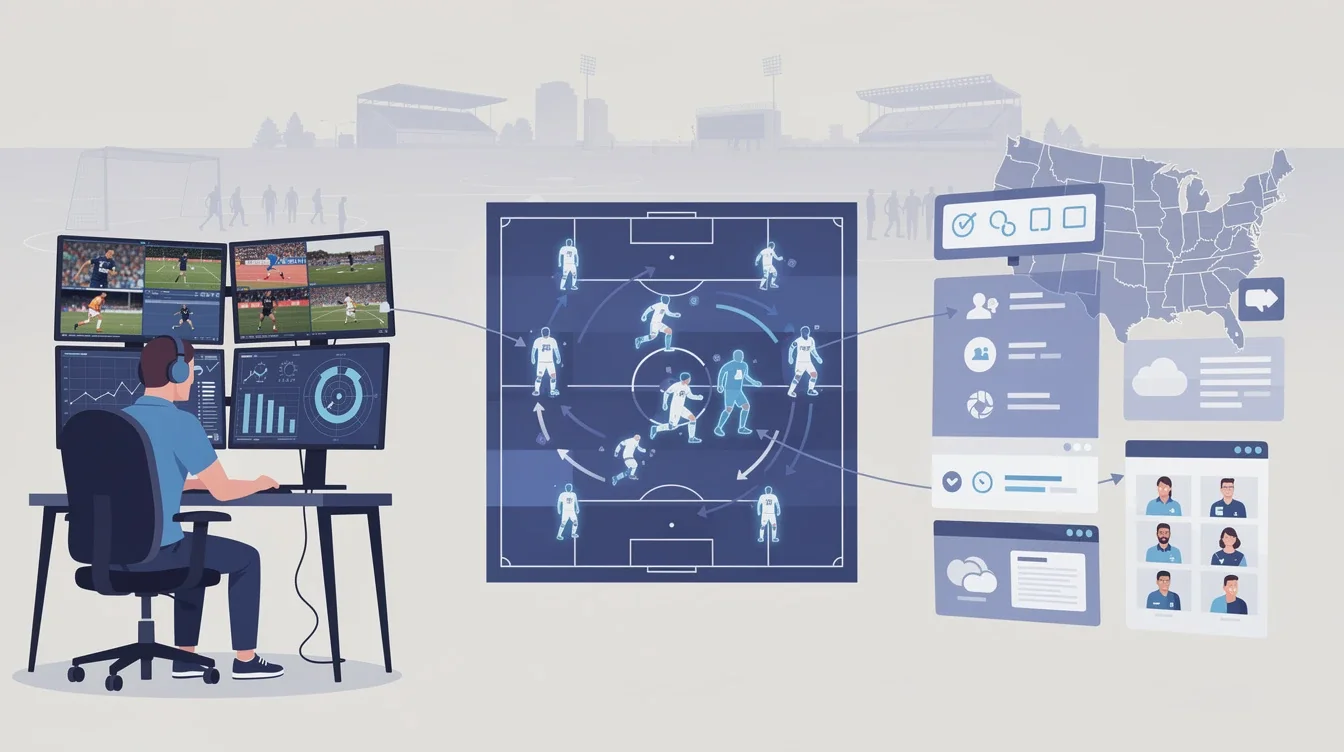
ByThe recruiting landscape in NCAA Division 1 soccer has changed dramatically over the past decade. With tighter budgets, broader recruiting pools, and more advanced technology, both coaches and players are relying heavily on virtual scouting to get an edge. Whether you're a serious prospect trying to catch the right eye or a coach seeking the next impact player, understanding modern virtual scouting techniques can give you a strategic advantage. At College Touchline, we’re here to break down how virtual scouting is shaping the future of D1 soccer—and how you can leverage it to make smarter decisions.
The Evolution of Soccer Scouting
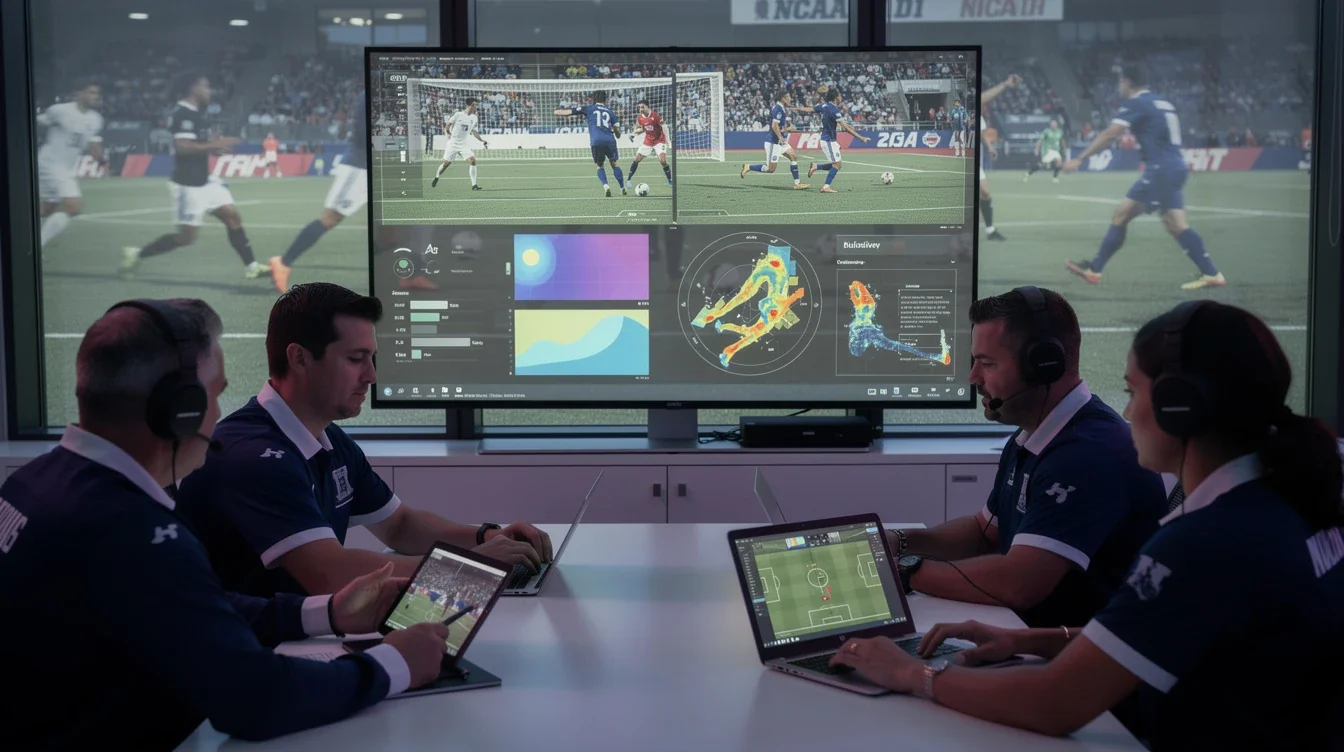
Scouting in soccer used to mean miles on the road, early mornings at dusty fields, and stacks of handwritten notes. While in-person evaluations will always have their place, the digital revolution has drastically expanded what's possible. NCAA D1 coaches now have access to a world of video, data, and analytics that can help them spot talent with far more precision.
Today's scouting process often starts online. Coaches sift through highlight reels, full-match videos, and advanced stat sheets before they ever step onto a sideline. For players, this means your digital footprint—every video, stat, and profile—can be your first (and sometimes only) impression.
Pro tip: Make sure your highlight video offers more than just goals and assists. Include defensive actions, off-ball movement, and moments that show your soccer IQ.
Building a Standout Digital Profile
For student-athletes, your online presence is your scouting resume. A well-curated digital profile can help you stand out in a crowded field. This includes not just your highlight reel, but also your academic achievements, references, and even your social media presence.
A quality highlight reel should be concise and focused, ideally 3-5 minutes long, showcasing your strengths in the context of real match situations. Full-game footage is equally important; coaches want to see how you handle adversity, your work rate off the ball, and your decision-making under pressure.
Academic records and recommendations are critical, too. NCAA D1 programs face strict eligibility requirements, so transcripts and references from coaches or teachers can be the difference between a quick look and a serious follow-up.
Pro tip: Update your digital profile regularly, and double-check for any outdated clips or stats. Coaches notice attention to detail.
Video Analysis: What Coaches Really Watch

Virtual scouting isn’t just about flashy highlight tapes. College coaches are trained to read between the lines. They’ll watch your first touch under pressure, your positioning in transition moments, and your communication with teammates. Body language and game intelligence matter just as much as athleticism.
Modern software allows coaches to break down game film frame-by-frame. They'll look for patterns, strengths, and weaknesses that might not be obvious in a quick recap. For example, a central midfielder’s ability to switch play or a center back’s anticipation on set pieces can stand out in a detailed analysis.
Some programs use third-party platforms to tag and catalog player actions—tackles, passes, shots, and more—making it easier to compare prospects across hundreds of hours of footage. Understanding what coaches are looking for can help players tailor their videos and performances accordingly.
Pro tip: Narrate your highlight video with short captions or voiceovers explaining your decisions, especially if you play in a system or position that might be unfamiliar to a new audience.
Data-Driven Scouting and Analytics
The next frontier in virtual scouting is advanced analytics. D1 programs increasingly rely on data to identify undervalued talent and reduce recruiting risk. Metrics like xG (expected goals), passing accuracy under pressure, and pressing efficiency can reveal qualities that might not pop in highlight reels.
Players who embrace technology—using GPS trackers, performance apps, and even sharing training data—give coaches more reasons to take a closer look. For goalkeepers, save percentage and distribution stats are crucial. Attackers benefit from data on shot quality and chance creation, while defenders shine through interception and duel success rates.
For coaches, data is a guide but not the gospel. It helps narrow the field but always needs to be paired with context from video and live evaluation.
Pro tip: If you have access to performance data from your club or high school team, include a summary in your profile. Even basic stats can help you stand out.
Virtual Events and Remote Evaluations
With travel costs rising and busy calendars, virtual events have become a staple of NCAA D1 recruiting. Online ID camps, live-streamed showcases, and remote skills challenges offer new ways for players to get seen without leaving home.
Players can register for virtual combines where they upload technical drills, fitness benchmarks, and even interview videos. Some platforms host live Q&A sessions with coaches, offering a chance to show off your communication skills and soccer IQ.
For coaches, these events offer a chance to see a wider pool of talent and make initial assessments before investing in a campus visit or in-person evaluation. It’s a win-win for both sides—but preparation is key. Treat every virtual event like a real trial: dress the part, test your equipment, and bring your best focus.
Pro tip: Record your drills and matches in high definition, and make sure your environment is well-lit and clutter-free. Presentation matters.
Navigating the Transfer Portal with Virtual Scouting
The NCAA transfer portal has added a new dimension to virtual scouting. With hundreds of players entering each year, coaches rely on digital profiles, game film, and analytics to make quick decisions about potential additions.
For transfer athletes, updating your film to include recent college matches is critical. Coaches want to see how you've developed since high school—and how you stack up against collegiate competition. Highlight your adaptability, leadership, and any awards or honors earned at your previous institution.
Transferring is a big decision, and virtual scouting allows both sides to do their homework. Coaches can reach out for virtual interviews or tactical breakdowns, while players can research programs, playing styles, and academic fits—all online.
Pro tip: If you’re considering a transfer, reach out to current players and staff for honest insights before making a decision. Virtual networking can be just as valuable as virtual scouting.
Conclusion
Virtual scouting has become an indispensable tool in NCAA Division 1 soccer, opening doors for players and providing coaches with powerful new resources. By mastering your digital profile, understanding what coaches look for in video, leveraging analytics, and embracing virtual events, you'll be better prepared for the evolving landscape of college soccer recruitment.
At College Touchline, we believe the future of scouting is hybrid—a blend of digital savvy and on-field performance. Stay proactive, keep learning, and use these tools to put your best foot forward. The next big opportunity may be just one click away.