 By
ByEvery NCAA Division 1 soccer player and coach understands that the margins for success are razor-thin. The difference between a game-winning sprint in the 87th minute and a costly mistake is often found not just in talent, but in preparation and recovery. As the college game grows faster and more demanding, recovery protocols have evolved from guesswork to science. Today, data-backed recovery is shaping how teams optimize performance, manage injuries, and gain an edge on the pitch. At College Touchline, we’re diving deep into what the numbers say about getting back to your best—quickly, safely, and smarter than ever.
The Science of Recovery in Modern Soccer
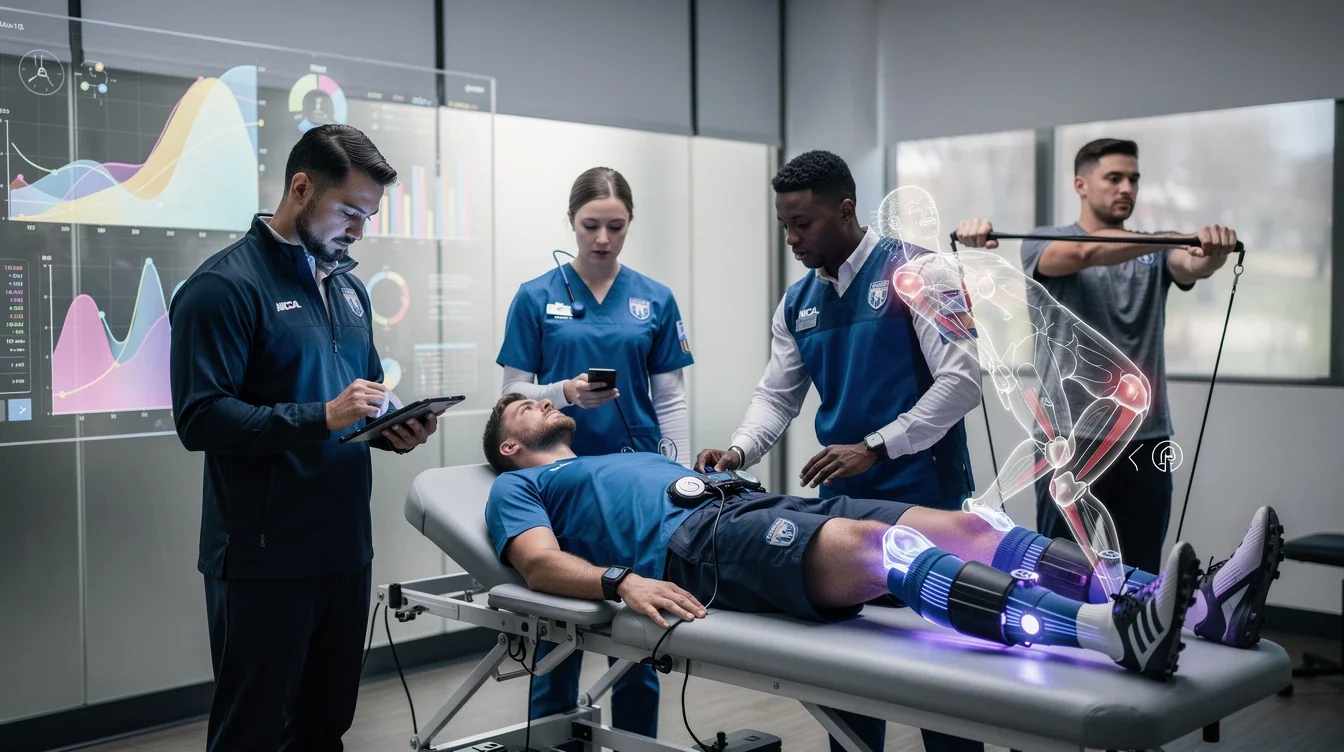
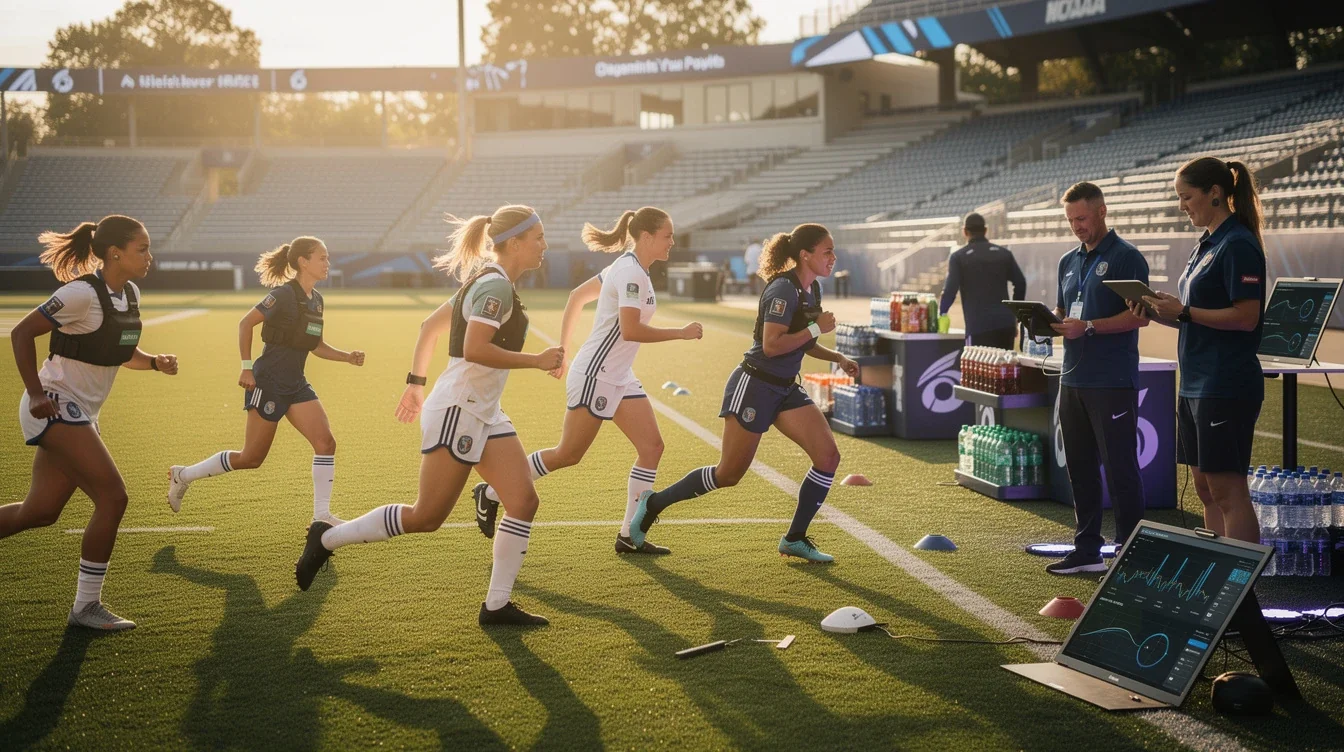
The days of simply icing sore legs and hoping for the best are long gone. NCAA programs now lean heavily on sports science to develop individualized recovery plans. GPS trackers, heart rate monitors, and sleep data fuel a new understanding: recovery isn't a one-size-fits-all process. The physiological load of a Division 1 schedule is immense—multiple matches per week, intense travel, and high academic demands.
Research consistently shows that inadequate recovery increases the risk of soft-tissue injuries and impairs cognitive function, both of which are game-changers for soccer players. Coaches now monitor acute-to-chronic workload ratios, tracking not just how much work a player does, but how their body adapts over time. Athletic trainers use this data to adjust training loads, ensuring that recovery protocols are both proactive and reactive.
Pro tip: If you’re an athlete, start tracking your own recovery markers—resting heart rate, sleep quality, and perceived fatigue. Small changes in these can hint at overtraining before you feel the effects on the field.
Key Components of Effective Recovery
So, what does a data-backed recovery protocol actually look like in the NCAA environment? It’s a coordinated blend of physical, nutritional, and psychological strategies, all tailored to the individual player. Here’s what the research and top programs recommend:
First, active recovery remains a staple. Light aerobic work, mobility drills, and dynamic stretching help clear metabolic waste and restore movement patterns. Teams use GPS data to ensure these sessions are truly low-intensity, preventing accidental overexertion.
Nutrition is another critical pillar. Immediately post-match, data supports rapid carbohydrate and protein intake to speed up glycogen replenishment and muscle repair. Many programs now use personalized nutrition plans based on biometric assessments, ensuring players get exactly what their bodies need.
Hydration status is monitored using urine specific gravity or even smart water bottles that sync with athlete management systems. Dehydration, even mild, can prolong recovery time and increase injury risk.
Finally, sleep tracking has entered the mainstream. Wearable devices allow coaches to identify players at risk of sleep deprivation, which is closely linked to reduced reaction time and slower injury healing.
Pro tip: Don’t neglect psychological recovery. Mindfulness, meditation, and guided imagery have been shown to accelerate muscle recovery and reduce injury rates by lowering stress hormones.
Data-Driven Adaptations on the Ground

NCAA soccer programs are embracing technology to close the feedback loop between training, performance, and recovery. For example, some teams use daily wellness questionnaires, integrated with GPS and heart rate data, to flag players who may be at risk for overuse injuries or burnout. Coaches can then pull those athletes from high-intensity drills or adjust their minutes in upcoming matches.
One emerging trend is the use of readiness scores—composite metrics that blend sleep, muscle soreness, heart rate variability, and subjective well-being. These scores help coaches make informed decisions about lineup changes or rest days, and the data is clear: teams that adapt training based on readiness have lower injury rates and higher late-season performance.
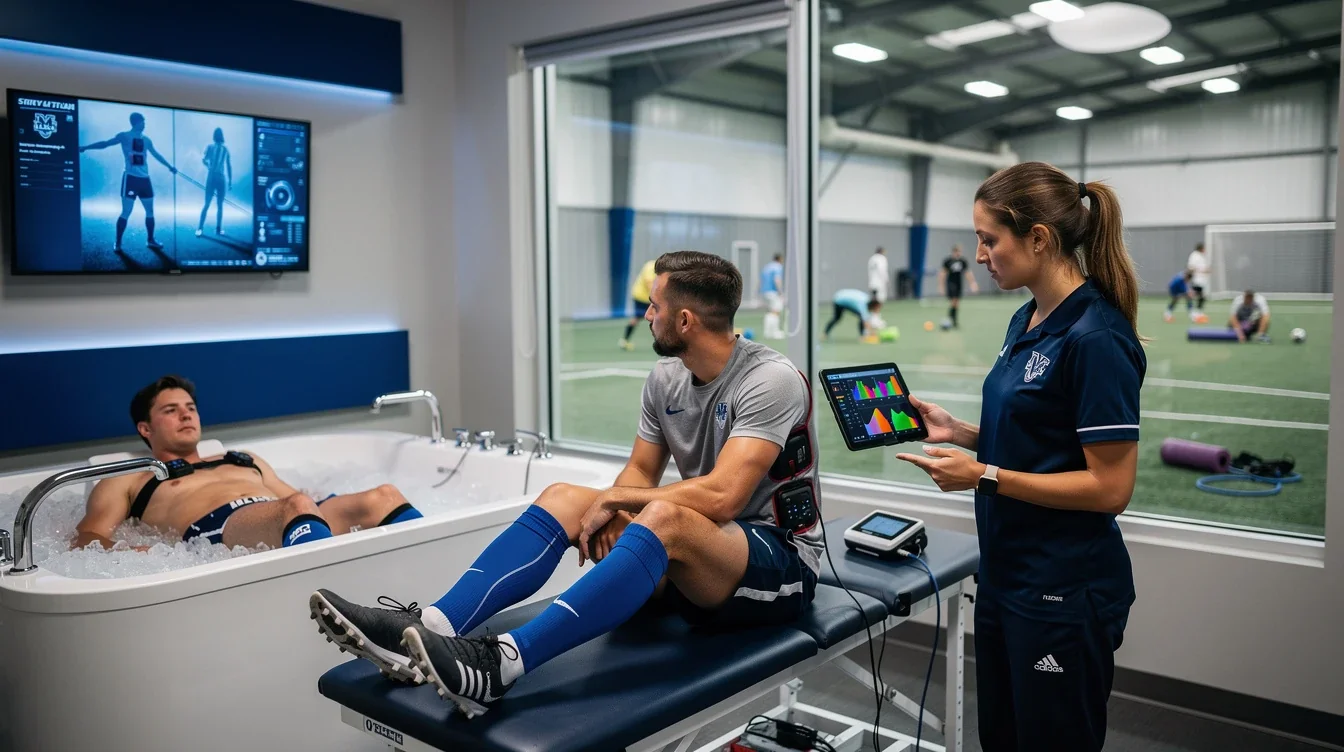
Recovery rooms are also becoming more sophisticated, featuring pneumatic compression boots, cryotherapy chambers, and even red light therapy—all tracked and logged in athlete management systems. The key is not just access to these tools, but using data to deploy them where they’ll have the most impact.
Pro tip: If your team doesn’t have access to high-tech recovery rooms, focus on consistency with the basics. The most important recovery tools—sleep, nutrition, hydration, and light movement—are accessible to everyone.
Individualizing Recovery for Peak Performance
No two athletes recover at the same rate, and Division 1 programs are investing in personalization like never before. By analyzing historical data, coaches can identify which players are “fast recoverers” and which need more support. Genetics, injury history, and even academic stress levels are factored into individualized plans.
For example, players with a history of hamstring injuries might undergo extra neuromuscular training and receive more frequent soft-tissue work, as flagged by their GPS load profiles. Athletes struggling with sleep due to travel are given targeted interventions, such as melatonin or blue light-blocking glasses.
Personalization extends to game-day decisions as well. Some programs now use real-time biometric data to inform substitution patterns, ensuring that players at higher fatigue risk aren’t left on the field too long. This is especially crucial during conference tournaments, where fixture congestion can be brutal.
Pro tip: Advocate for yourself. Share your recovery data with staff, and don’t be afraid to ask for adjustments. The best programs value athlete input as a key data point.
Recruiting and Recovery: A New Evaluation Metric
For serious prospects and their families, understanding a program’s recovery philosophy can be just as important as playing style or scholarship offers. More college coaches are highlighting their sports science infrastructure on visits, knowing that elite recovery protocols are a major draw.
Recruits should ask: Does the program individualize recovery, or is it “one size fits all”? Are there dedicated recovery facilities and staff? How is data used to prevent injuries and extend careers? Answering these questions can help prospects find programs where they’ll thrive physically and mentally.
From a coach’s perspective, data-backed recovery is also a recruiting tool. Programs with lower injury rates and better late-season performance have a proven edge in both attracting talent and keeping rosters healthy during the NCAA grind.
Pro tip: When visiting schools, request specifics about recovery strategy and technology. It’s a sign of a program committed to long-term player development.
Conclusion
The future of NCAA Division 1 soccer belongs to teams that treat recovery as a science, not an afterthought. Data-backed protocols are no longer a luxury—they’re a necessity for staying healthy, maximizing performance, and building sustainable success. Whether you’re a player, coach, or recruit, understanding and advocating for smart recovery is one of the most important decisions you’ll make on your college soccer journey. At College Touchline, we’ll keep bringing you the latest insights to help you compete—and recover—at the highest level.