 By
ByEvery NCAA Division 1 soccer season brings its share of challenges, but few are as make-or-break as the need for midseason defensive adjustments. Teams often start the year with a clear tactical blueprint, only to find that opponents adapt, injury lists grow, and the results suddenly don't match the game plan. That's when coaches and players earn their stripes—not by sticking stubbornly to what worked in August, but by recognizing weaknesses, recalibrating, and rolling out new defensive solutions on the fly. At College Touchline, we're diving deep into the anatomy of a real midseason defensive adjustment, showing you not just what changed, but why it mattered.
Spotting the Defensive Weakness
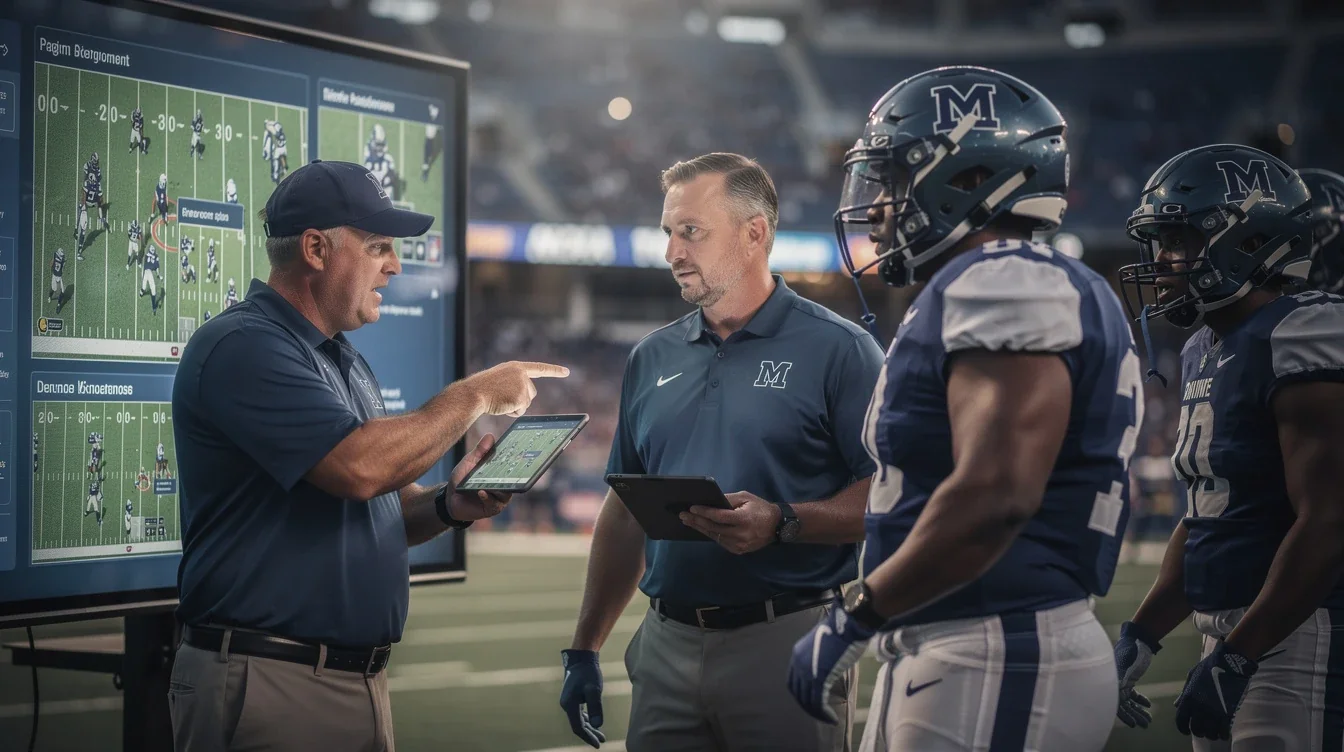
A midseason slump can hit even the most talented NCAA squads. Let's set the stage: One prominent Division 1 program opened their campaign with a back four that looked rock-solid in preseason, but by mid-September, cracks were showing. Opponents started exploiting wide spaces, and a run of three games saw the team concede an uncharacteristic eight goals. Film study revealed wingers failing to track back, center backs getting pulled out, and communication breaking down under pressure.
Recognizing these issues requires more than just reviewing stats. Coaches and analysts dig into match footage, looking for repeat patterns: Are gaps opening between fullbacks and center backs? Are midfielders slow to provide cover? Most importantly, is there a mental fatigue or lack of clarity about individual roles?
Pro tip: When reviewing your own team’s defensive performances, focus on sequences where your back line is under transition pressure. That’s when structural issues become most obvious—when the opposition wins the ball and attacks quickly.
Tactical Shift: Rebuilding the Defensive Structure
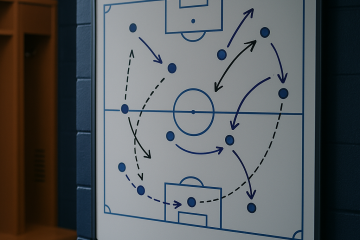
After identifying the root causes, this program’s coaching staff had a tough call to make: stick with the familiar 4-3-3, or try something new? The answer came in the form of a midseason switch to a 4-2-3-1, with two holding midfielders tasked with shielding the back four and helping fullbacks when wingers pressed forward.
This wasn't just a formation tweak—it was a philosophical shift. The team moved from proactive pressing to a more compact, disciplined defensive block. Training sessions focused on staying organized when out of possession, reducing the space between lines, and emphasizing communication among defenders and midfield shields. Wingers dropped deeper, narrowing the channels that had previously allowed opponents to run free.
The change paid dividends almost immediately. In the next four games, the team conceded only two goals, both from set pieces rather than open play. The new system allowed the defenders to stay more connected, and the holding midfielders gave the center backs time to recover if pulled out of position.
Pro tip: If your team’s wide areas are being exploited, consider how your midfield can help. Even a subtle adjustment in the defensive responsibilities of wide midfielders can close dangerous gaps.
Player Buy-In and Role Adaptation

No tactical change works without player buy-in. For this Division 1 squad, the biggest hurdle was getting attacking-minded wingers and midfielders to embrace their new defensive responsibilities. The coaching staff held several team meetings, using video clips to illustrate not just mistakes, but also successful sequences from other college and professional teams.
Individual conversations were key. The staff worked with players to redefine their roles, explaining not only the “what” but the “why”—how their defensive work rate would lead to more transition opportunities and, ultimately, more wins.
The new system also allowed certain players to shine. The holding midfielders grew in confidence, understanding that their interceptions and simple distribution were crucial. Fullbacks, no longer isolated in 1v2 situations, became more effective in both defense and attack.
Pro tip: When you introduce a new system, give players time to adjust—both mentally and physically. Reinforce progress in training and in matches, and celebrate the small victories that show the new roles are working.
In-Game Adjustments: Reading the Flow
A new formation isn’t a silver bullet. Even with a revamped structure, in-game adjustments remain crucial. The coaching staff monitored matches closely, tweaking the positioning of the midfield double-pivot or asking a fullback to sit deeper when opponents loaded the flanks.
Sometimes, the team would temporarily revert to the old pressing scheme when chasing a goal, then drop back into the compact block once ahead. This tactical flexibility became a hallmark of their late-season surge.
Understanding when and how to make these in-game calls is as much about preparation as instinct. The staff drilled scenarios in training, so players recognized cues for shifting shape or adjusting their defensive lines. This preparation allowed the team to stay calm and organized, even under late-game pressure.
Pro tip: Practice “what if” scenarios in training—what if you go a goal down, or need to protect a lead? Having a plan for these moments keeps everyone on the same page when it matters most.
Measuring Success: Analytics and Intangibles
Of course, the ultimate test of any adjustment is results. For this Division 1 squad, defensive metrics improved dramatically: goals conceded per game dropped by 60%, and expected goals against (xGA) fell as the back line tightened up. But numbers only tell part of the story.
Players reported feeling more confident and less fatigued, since the team’s compactness reduced the distance individuals had to cover. The improved communication and mutual support fostered a stronger locker room culture, translating into better focus and fewer late-game lapses.
Recruiters and scouts took note, too. Prospective student-athletes and their coaches pay attention not just to wins and losses, but to how teams handle adversity and adapt in real time. Demonstrating tactical flexibility and resilience can be a powerful recruiting tool.
Pro tip: Use both quantitative and qualitative feedback to judge the success of tactical changes. Ask players how they feel on the field—confidence and clarity often lead to better performance, even before the stats catch up.
Lessons for Players and Coaches
Midseason defensive adjustments aren’t just for elite programs—they’re a reality for every college team, from conference contenders to rebuilding squads. The case study above offers a clear roadmap: identify the problem, communicate the solution, train with purpose, and stay flexible.
For players, embracing change and understanding your role in the team’s defensive shape is a vital skill. For coaches, the willingness to adapt—and to bring your team along with you—can be the difference between a strong finish and a slide down the standings.
Whether you’re chasing a playoff spot or just looking to build a foundation for next season, the ability to analyze, adjust, and execute defensively is at the heart of successful college soccer.
Pro tip: Never wait too long to address defensive issues. Early action gives you time to refine your solution and build momentum for the rest of the season.
Conclusion
Midseason defensive adjustments are more than tactical tweaks—they’re a test of a program’s culture, communication, and willingness to adapt. As our NCAA case study shows, diagnosing the problem, committing to a new approach, and securing player buy-in can transform a season. For the serious college soccer player, coach, or fan, understanding the process behind these changes is key to both on-field success and long-term development. Stay tuned to College Touchline for more strategy insights, because the beautiful game is always evolving—and so should we.