By
ByEvery year, thousands of international high school soccer players dream of playing college soccer in the United States. For many, competing at the NCAA Division 1 level is the ultimate goal—a chance to blend world-class education with elite athletic development. Yet, for all the talent outside the US, breaking into the American college system is anything but straightforward. From the intricacies of NCAA rules to the practical challenges of gaining exposure, the international recruiting process is fraught with unique hurdles and hidden opportunities. At College Touchline, we’re committed to demystifying these complexities so you can make smarter moves, whether you’re a player, coach, or parent.
The Landscape: Why NCAA Coaches Look Abroad
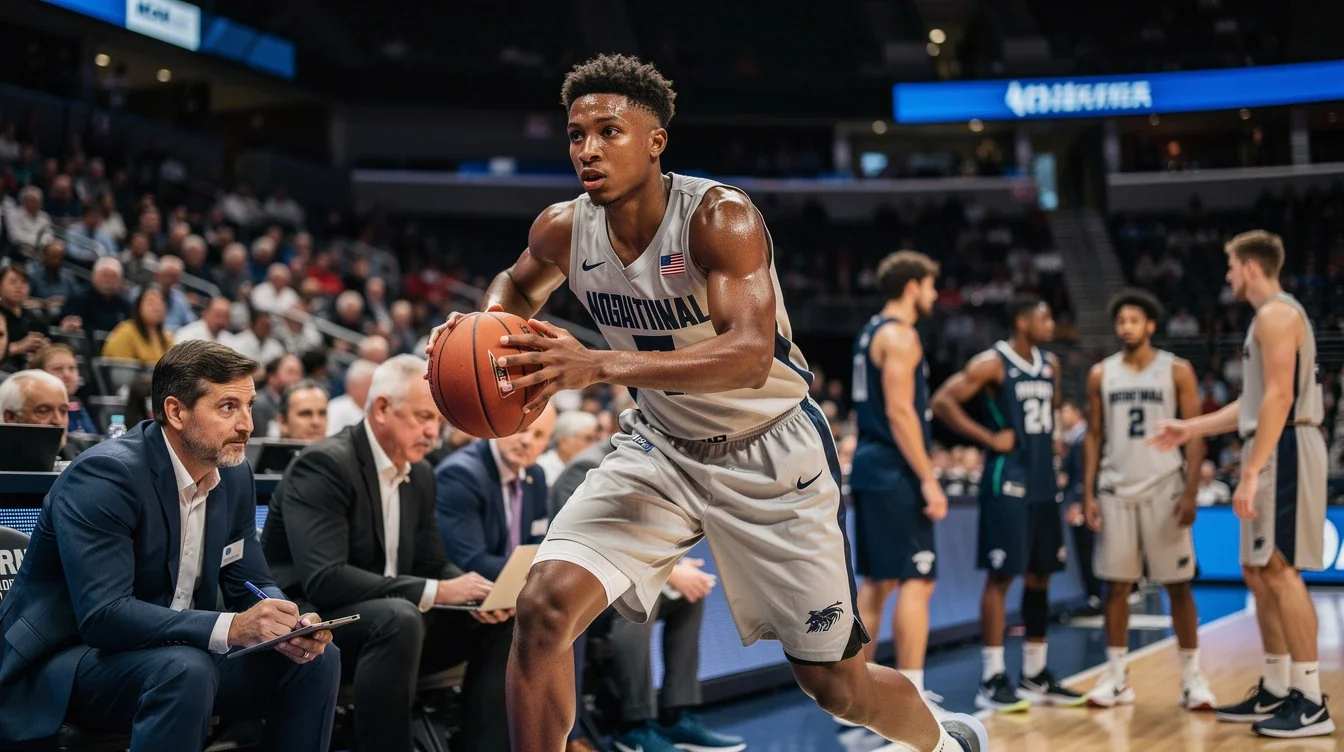
The recruitment of international players by NCAA Division 1 programs isn’t new, but it’s become more strategic. As the level of play rises each year, coaches are constantly seeking technical, tactical, and physical profiles that can elevate their squads. International high school players often bring different styles of play, tactical awareness, and even maturity levels, thanks to their diverse backgrounds. For coaches, recruiting beyond US borders opens up a broader talent pool and injects fresh perspectives into their teams.
However, there’s a flip side: international recruiting is logistically and administratively challenging. NCAA coaches have to navigate eligibility complexities, language barriers, and limited scouting resources. As a result, exposure becomes the single most important factor for international hopefuls. If you’re not seen, you’re not recruited.
Pro tip: Start your recruiting journey early—NCAA coaches often build their international pipelines years in advance, and early contact can set you apart.
The Exposure Challenge: Gaining Visibility from Afar
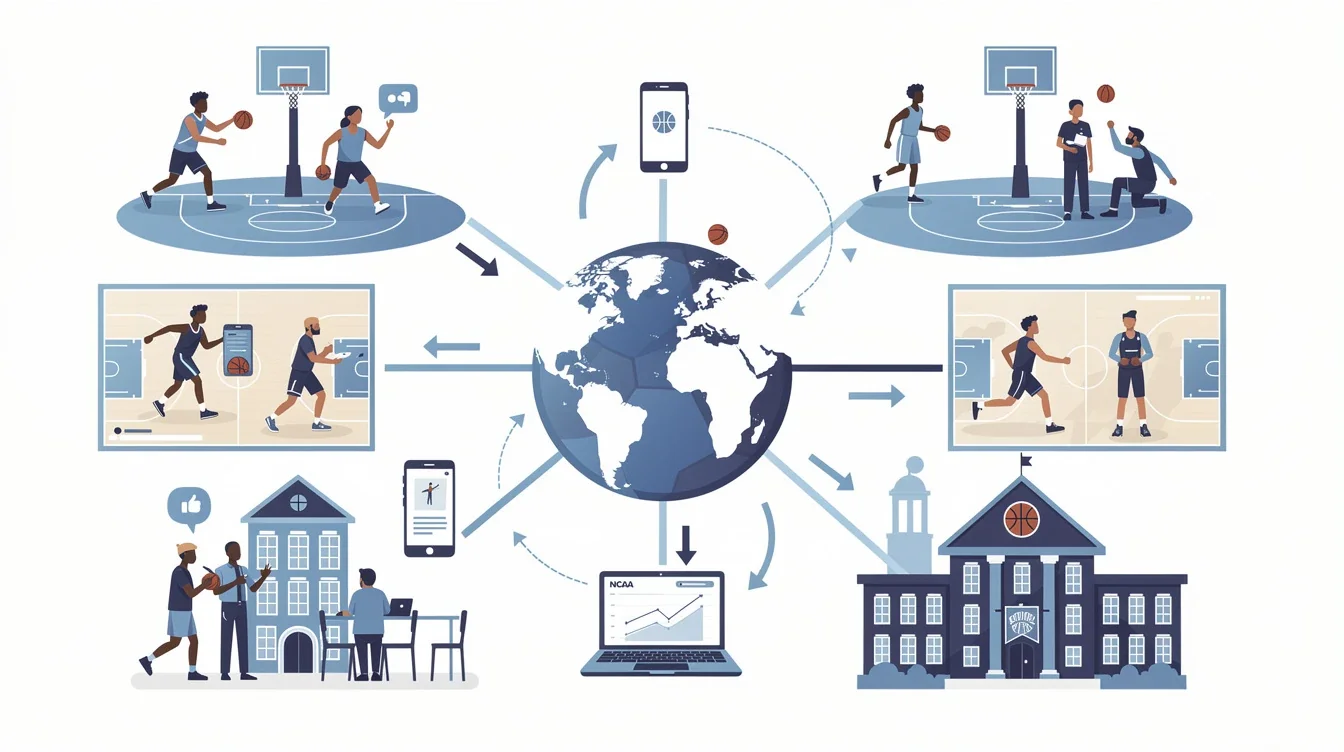
If you’re an international player, your biggest obstacle is simple: how do you get noticed from thousands of miles away? Unlike domestic recruits, you can’t just show up at ID camps or play in high school showcase tournaments in the US. Most coaches can’t—due to budget and time constraints—travel extensively to scout international prospects in person. That means your exposure strategy has to be both creative and proactive.
Digital platforms are now central to this process. Highlight videos, full-match footage, and detailed player CVs are essential tools. But they’re only as effective as the network you build around them. Direct outreach, recommendations from trusted coaches, and participation in recognized international tournaments can all help boost your profile.
Pro tip: Make your highlight video concise and position-specific—coaches want to see your decision-making, movement, and technical ability under pressure, not just flashy moments.
NCAA Rules: Clearing Eligibility Hurdles
One of the most misunderstood aspects of international recruiting is NCAA eligibility. The NCAA Eligibility Center reviews every prospective student-athlete’s academic record and amateur status. For international players, this process can be daunting, as grading systems, graduation timelines, and even the definition of “amateurism” vary widely by country.
Academic requirements include completing courses equivalent to US high school standards and achieving minimum scores on standardized tests like the SAT or ACT. Amateurism is equally crucial—if you’ve played with or against professionals, accepted payment, or signed with an agent, your eligibility could be at risk.
Navigating these rules is critical, and mistakes can derail even the most talented prospects. It’s essential to start gathering transcripts, syllabi, and documentation early and to consult with advisors or recruiting agencies who understand NCAA compliance.
Pro tip: Don’t assume your academic record will translate directly—get professional guidance to map your coursework to NCAA requirements before you apply.
Building Relationships: The Power of Networks
Exposure isn’t just about being seen; it’s about being trusted. NCAA coaches rely heavily on personal recommendations, especially when recruiting internationally. If a coach knows and trusts your club coach, national team staff, or recruiting coordinator, your chances of being seriously considered go up dramatically.
This means cultivating relationships is as important as technical skill. Strong communication, professionalism, and persistence in following up with coaches can make you stand out. Networking with alumni from your home country who’ve made the jump to NCAA soccer can provide invaluable advice and even direct introductions.
Pro tip: Develop a short, personalized email introduction for each coach—mention specific reasons you’re interested in their program and what you can uniquely contribute.
The Role of Showcases and International Tournaments
Despite the digital revolution, live evaluation still matters. NCAA coaches make recruiting trips to major international tournaments and showcases when possible, targeting events with a history of producing college-ready talent. If you can secure an invitation to these high-visibility events—whether in Europe, South America, Africa, or Asia—your exposure increases exponentially.
Some international academies and agencies now specialize in organizing US-style showcases abroad, with NCAA coaches in attendance or watching via live stream. Participating in these events, or at least securing high-quality video footage from them, can give you a significant edge.
Pro tip: After a showcase, follow up promptly with coaches who attended or viewed your games—share your reflections on your performance and reiterate your interest.
Making the Leap: Transitioning to NCAA Soccer
Securing an offer isn’t the end—it’s the beginning of a new set of challenges. International players often face culture shock, academic adjustment, and the need to adapt to different playing styles and team dynamics. The transition can be demanding, both on and off the field.
Preparation is key. Familiarize yourself with college soccer’s physicality, tempo, and tactical expectations. Many international players initially struggle with the NCAA’s substitution rules, condensed season, and emphasis on athleticism. Proactively improving your English skills and engaging with academic support services can ease your adjustment.
Pro tip: Reach out to current international players at your target schools—they can provide real-world insights on making a successful transition.
Conclusion
International high school players bring immense value to NCAA Division 1 soccer, but turning talent into opportunity requires strategy, persistence, and savvy networking. By understanding the landscape, mastering exposure tactics, navigating eligibility rules, and building meaningful relationships, you can position yourself for recruitment success. At College Touchline, we believe that with the right approach, the dream of playing NCAA soccer isn’t just possible—it’s within reach. Stay proactive, stay informed, and remember: every great college soccer story starts with a bold first step.