 By
ByWhen it comes to making the leap from high school or academy soccer to NCAA Division 1, the recruitment process is evolving faster than ever. The digital age, shifting NCAA regulations, and a growing emphasis on data mean coaches and players are rethinking their approach to talent identification and team-building. At College Touchline, we've been tracking these changes closely to help you stay ahead—whether you're a player, coach, or die-hard fan. Let's break down the emerging strategies that are reshaping D1 soccer recruitment, so you can make informed, proactive decisions about your future in the college game.
Digital Scouting: Beyond Highlight Reels
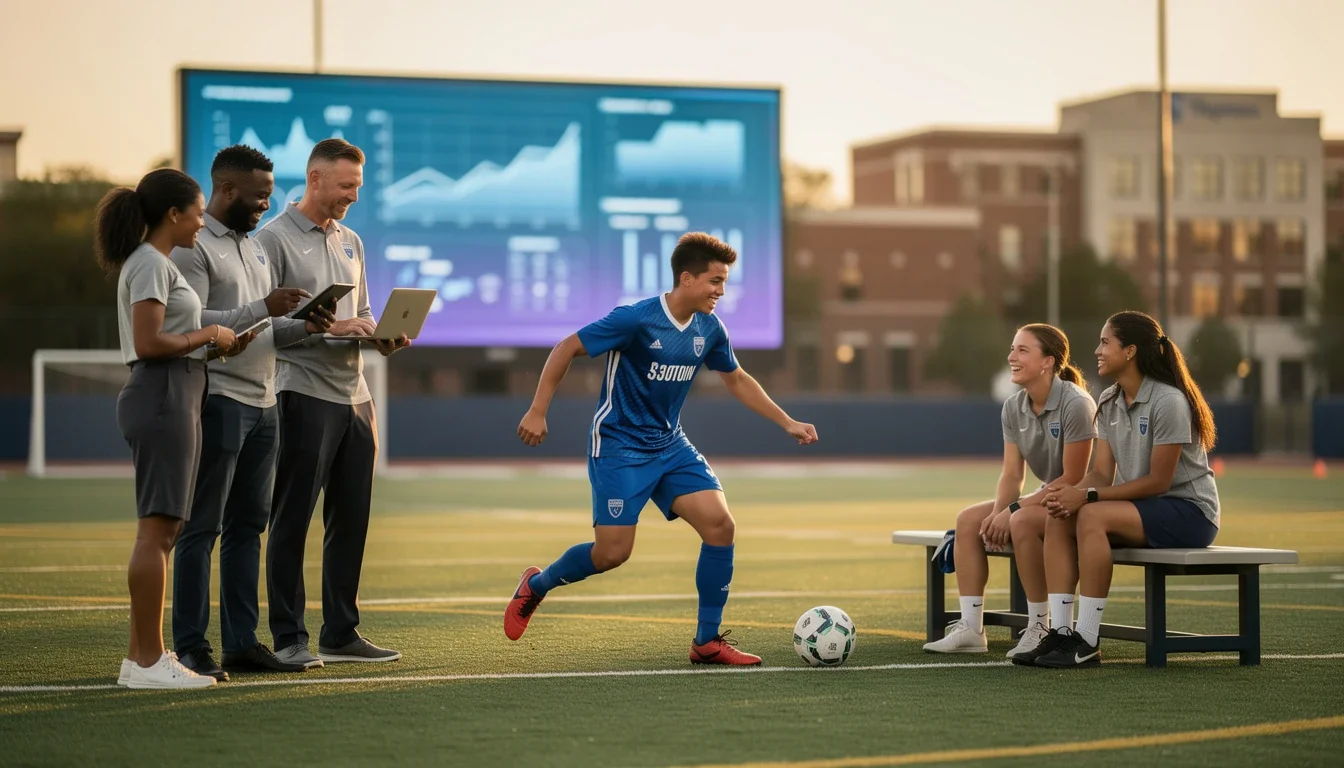
It wasn't long ago that coaches relied almost entirely on in-person scouting and stacks of physical highlight DVDs. That's ancient history now. Today, digital platforms—ranging from social media to specialized recruiting apps—have become crucial tools for both coaches and recruits. Coaches can watch full matches, see a player's development over time, and interact directly with prospects and their families.
But it's not just about flashy plays anymore. Coaches are digging deeper, seeking full-game footage, off-the-ball movement, and even training clips. They want to see how players react to adversity, communicate with teammates, and maintain consistency over 90 minutes. This means that players who curate an online presence that goes beyond highlights will stand out.
Pro tip: If you're a player, create a YouTube channel or similar platform with full matches, training routines, and short clips talking about your mindset or recovery habits. Authenticity and depth can separate you from hundreds of highlight-reel hopefuls.
Data-Driven Identification
The influence of analytics in NCAA D1 soccer has grown exponentially over the past five years. Coaches now have access to sophisticated statistical software and tracking tools, letting them analyze everything from a player's sprint speed to pass completion under pressure. This data-driven approach isn't just for the pros anymore—it's filtering down to college programs of all sizes.
For recruits, this means that physical and tactical metrics are under more scrutiny. Players who excel in areas like expected assists, pressing efficiency, or defensive transitions are catching the eye of coaches looking to build dynamic, well-balanced teams. It's no longer enough to just be technically gifted; you need to demonstrate how your game impacts the numbers that matter.
Pro tip: Work with your current coaches or trainers to start tracking your performance data. Even simple metrics like distance covered, successful tackles, or key passes can be included in your recruiting materials to show you're focused on measurable improvement.
The Rise of Virtual ID Camps
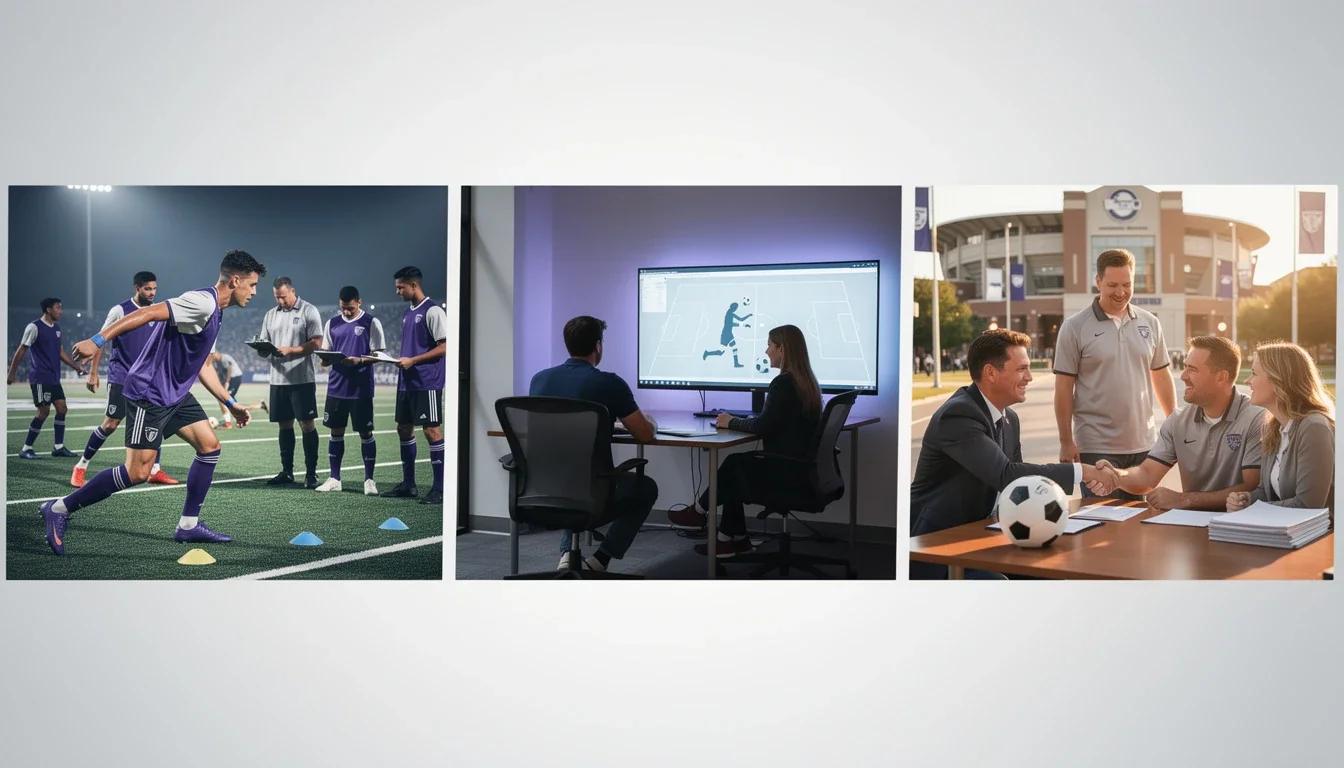
Traveling to showcase events or ID camps used to be a non-negotiable part of the recruiting process. While in-person evaluation is still important, the pandemic accelerated the adoption of virtual ID camps, and many programs have kept those innovations. Online clinics, live-streamed skills sessions, and virtual Q&A's with coaching staffs are now standard recruiting tools.
Virtual camps level the playing field for athletes who can't always afford to crisscross the country. They also allow coaches to engage with a wider pool of prospects, giving them more flexibility in who they evaluate and how. For players, this means more chances to make a genuine connection with coaching staffs—even before the first in-person handshake.
Pro tip: Treat virtual ID camps with the same seriousness as in-person events. Dress for performance, test your equipment beforehand, and look for opportunities to ask intelligent questions that show your understanding of the program's style and culture.
Transfer Portal Strategies
The NCAA transfer portal has revolutionized roster management. Coaches are no longer building teams exclusively from incoming freshmen—they're actively mining the portal for experienced D1, D2, or JUCO transfers who can make an immediate impact. This dynamic has shifted how scholarships are allocated and how coaches balance short-term needs with long-term development.
For high school recruits, this means the competition is stiffer, but it's also a wake-up call to keep developing even after you land that first roster spot. For current college players, the portal presents new opportunities (and risks) to find a better fit or more playing time. Coaches, meanwhile, are crafting flexible recruiting plans and keeping scholarships in reserve for late-window transfers who might become available after the spring or fall semesters.
Pro tip: If you're considering the transfer portal, do your homework on each program's needs and style of play. Tailor your outreach and highlight how your experience fills a specific gap in their roster.
Building Personal Relationships
Despite all the tech, data, and changing rules, recruitment at the D1 level remains deeply personal. Coaches want players who not only fit their tactical blueprint but also mesh with the team's culture and values. They're investing more time in understanding a recruit's mentality, work ethic, and ability to adapt to adversity. Zoom calls, text chains, and campus visits are as much about gauging character as they are about soccer skills.
Players who are proactive in communication, who ask thoughtful questions about team roles, academic support, and leadership expectations, consistently rise to the top of recruiting boards. Coaches want to know they'll be adding someone who can handle the grind of D1 athletics, on and off the field.
Pro tip: Don't be afraid to show your personality and ask about the "why" behind a program's style or philosophy. Coaches appreciate recruits who are genuinely invested in their own growth and the bigger picture.
Navigating the NIL Landscape
Name, Image, and Likeness (NIL) legislation has added yet another layer to the recruitment conversation. While D1 soccer isn't as NIL-driven as football or basketball, the opportunities are growing, especially for players with large social followings or unique personal brands. Coaches are now evaluating a prospect's off-field marketability and how they might represent the program in the community or online.
For recruits, this means it's smart to start thinking about your personal brand early—what makes you unique, how you engage with fans, and how you present yourself on social media. College soccer players who tap into NIL opportunities can supplement scholarships and build a platform that lasts beyond their playing days.
Pro tip: Keep your social media clean, positive, and authentic. Share your journey, interact with fans, and demonstrate leadership off the pitch. Even modest NIL deals can make a difference, both financially and in building your future network.
Conclusion
The world of NCAA D1 soccer recruitment is in constant motion, shaped by technology, analytics, and an ever-changing competitive landscape. For players aiming to land a spot at the next level, understanding these emerging strategies—and adapting your own approach—is more important than ever. For coaches, staying agile and open to new tools and ideas is key to building winning teams.
At College Touchline, we're committed to helping you navigate every twist and turn of this journey, whether you're looking for your dream program, building a championship roster, or simply keeping up with the game you love. Stay curious, stay proactive, and remember: the right strategy can make all the difference.