 By
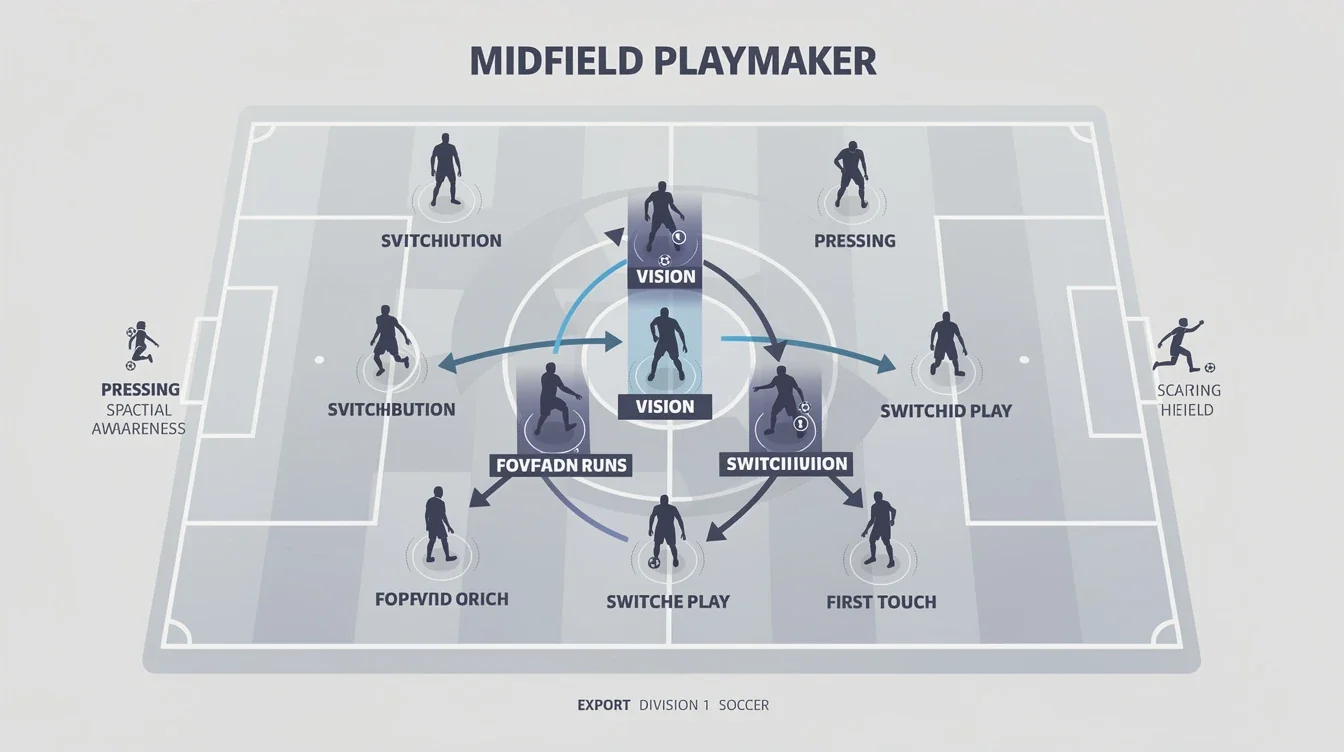
ByStep onto any NCAA Division 1 soccer pitch, and you'll see a flurry of action in the middle third. It's here, in the heart of the field, that games are won and lost—and no one feels that pressure more than the midfield playmaker. For players aspiring to make their mark, coaches sculpting championship teams, and fans craving tactical insight, understanding the roles of midfield playmakers is essential. At College Touchline, we’re breaking down the subtle art, athletic demands, and recruitment nuances of the D1 midfield maestro.
The Heartbeat: Central Playmaker Roles
Midfield playmakers are much more than passers; they’re the team’s metronome, dictating tempo, connecting lines, and creating opportunities. In NCAA D1 soccer, the tactical sophistication and athleticism demanded from midfielders rivals that of any pro league. But what exactly does it mean to be a playmaker in the college game?
At the core, we see two primary playmaker archetypes: the classic "number 10" attacking midfielder and the deep-lying "regista" or playmaking six. The 10 operates closer to the opposition's box, threading killer passes and supporting the forwards, while the 6 sits deeper, orchestrating from behind the ball and often initiating build-up play from the back. Some programs blend these roles, deploying a "double pivot" where two midfielders share creative and defensive responsibilities.
In D1 soccer, given the physicality and transition-heavy nature of the college game, playmakers must be adaptable. Coaches often ask their central midfielders to contribute on both sides of the ball—pressing aggressively, covering space, and recycling possession under pressure.
Pro tip: If you’re an aspiring D1 playmaker, film yourself in games and training. Analyze how often you check your shoulder, the angles you take when receiving, and your decision-making speed under pressure. Self-awareness is the first step to becoming indispensable.
Tactical Responsibilities and Game Impact
What separates a good playmaker from a great one at the D1 level? It’s their tactical intelligence and ability to impose their will on the flow of the game—even against elite opposition.
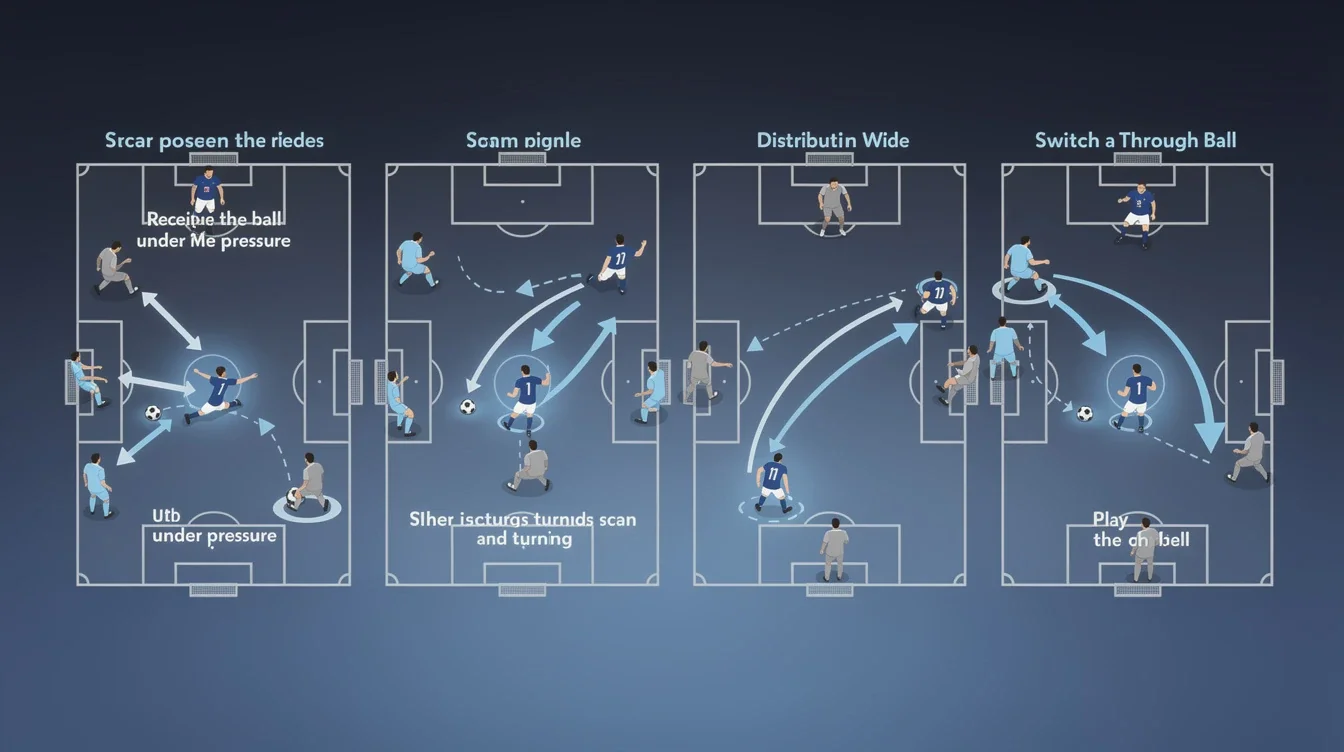
At the most basic level, a playmaker’s job is to connect defense and attack. This means being available for the first pass out of the back, progressing the ball into dangerous areas, and making smart choices under pressure. But at the D1 level, there’s more: the best midfielders constantly scan the field, anticipate opponents' movements, and manipulate space to create openings.
In many D1 systems, especially those favoring possession-based soccer, playmakers must have the technical skill to play through tight spaces and the tactical discipline to maintain team structure. This requires an acute sense of timing—when to speed up play, when to slow it down, and when to break lines with a single, incisive pass.
Defensively, playmakers are responsible for setting the press, reading cues from the opposition, and ensuring the midfield doesn’t get bypassed in transition. Because NCAA soccer is so transition-oriented, the playmaker’s ability to recover, organize, and communicate is vital.
Pro tip: Watch film of top NCAA midfielders—note how they use their body to shield the ball, their scanning habits, and how they orchestrate pressing traps. Emulate their off-ball movement as much as their passing.
Attributes of Elite D1 Playmakers
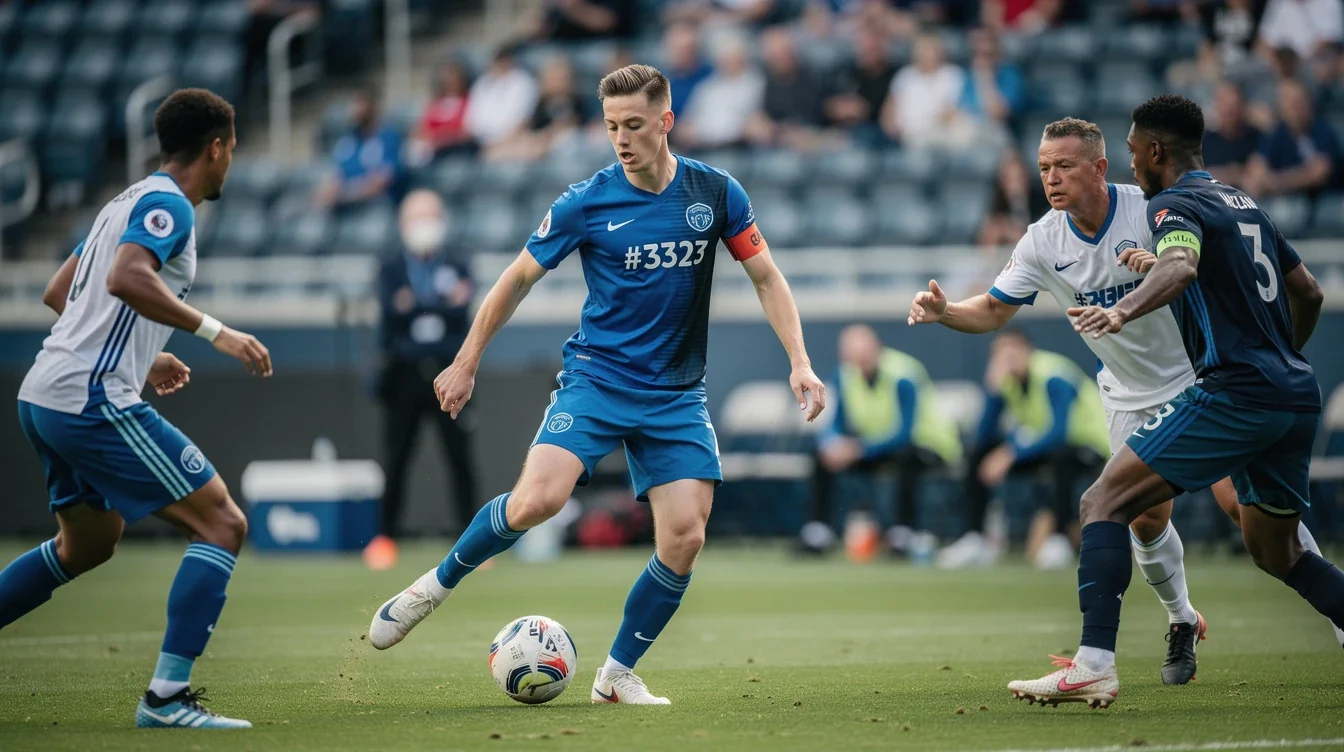
So, what qualities do college coaches look for in a midfield playmaker? Beyond technical skill, certain attributes are non-negotiable at the D1 level.
First, vision and awareness stand out. Great playmakers see the field in 360 degrees, constantly checking over their shoulder and anticipating both teammates and opponents. Their first touch is purposeful, often taking them into space or away from pressure. Composure is key—especially since college games can be frantic, with little time or space to operate.
Physicality also matters more than you might expect. D1 soccer is fast and often direct, with relentless pressing and counterattacks. Playmakers need the stamina to cover ground, the agility to escape pressure, and the strength to hold off challenges. Mental toughness is another must—mistakes happen, but elite playmakers reset quickly and demand the ball again.
Communication often flies under the radar, but it’s what holds the team to gether. Playmakers direct traffic, call for the ball, and organize pressing triggers. Their leadership is felt in moments of chaos—when to calm the team, when to push the tempo, and when to manage the game.
Pro tip: In your recruiting profile or highlight reel, showcase clips where you solve pressure, play forward with purpose, and orchestrate transitions. Coaches look for more than just flashy skills—they want evidence of tactical maturity and leadership.
Adapting to Different Systems and Coaches
Every D1 program has its own tactical blueprint—some prioritize possession, others focus on direct play or high pressing. For midfield playmakers, adaptability is everything.
If you’re being recruited, pay close attention to how potential programs use their midfield. Does the coach prefer a 4-3-3 with a single pivot, or a 4-2-3-1 with dual playmakers? Are midfielders expected to join attacks or stay disciplined and shield the back line? These nuances will dramatically shape your role and development.
Successful college playmakers are students of the game. They're constantly learning new tactical systems, adjusting their positioning, and adopting different defensive schemes. Flexibility is a massive asset—some programs will ask you to operate as a box-to-box engine, others as a disciplined distributor.
It’s also worth considering the transition from high school or club soccer to college. The pace is faster, the spaces tighter, and the tactical demands higher. Many incoming freshmen struggle with the physical and mental jump. The most successful adapt quickly, learn from upperclassmen, and embrace feedback from coaches.
Pro tip: When visiting or communicating with D1 programs, ask coaches to describe their midfield roles. Watch full-game film (not just highlights) to see how current players operate in and out of possession.
Recruitment Insights: Standing Out as a Playmaker
The recruiting process for D1 midfield playmakers is competitive and nuanced. Coaches look for difference-makers—players who can elevate a team’s level and fit seamlessly into their tactical puzzle.
Highlight reels matter, but context is crucial. Coaches want to see you making smart decisions, impacting both sides of the ball, and adapting to different game situations. Showcases are important, but consistency over a full club season or high-level tournament carries even more weight. Your ability to lead, communicate, and bounce back from mistakes will all be scrutinized.
Grades and character are non-negotiable. The demands of D1 soccer require academic discipline and maturity. Coaches want players who can balance the intensity of training, travel, and coursework without missing a beat.
If you’re serious about playing as a midfield playmaker, be proactive. Reach out to coaches with personalized messages, attend ID camps, and seek feedback on your strengths and areas to improve. Ask current college players about their experience in your position—what surprised them, what helped them succeed, and what they wish they’d known sooner.
Pro tip: Keep a journal of your games and training sessions. Note what worked, where you struggled, and how you responded to challenges. This habit builds self-awareness and gives you concrete examples to share with recruiters.
Developing Your Playmaker IQ
The journey to becoming a top NCAA D1 playmaker is ongoing. The best midfielders never stop learning—they watch games, study tactics, and seek feedback from coaches and teammates.
Film analysis is one of the most powerful tools at your disposal. Break down your own games, but also watch top college and professional midfielders. Focus on their movement before receiving the ball, their choices under pressure, and how they orchestrate team shape and transitions. Notice how they manage the game in different scenarios—protecting a lead, chasing a goal, or navigating a high press.
Work on your weaknesses with intention. If you struggle under pressure, set up training drills with limited time and space. If communication is a challenge, practice organizing your team in small-sided games. Embrace the grind—D1 soccer rewards the player who’s willing to put in extra work when no one’s watching.
Above all, remember that playmakers are defined not just by their talent, but by their impact on those around them. Lift your teammates, set the standard, and embody the mentality of a leader on and off the field.
Pro tip: Build relationships with your coaches and ask for specific, actionable feedback after each game. The most coachable players grow the fastest.
Conclusion
Midfield playmakers are the lifeblood of NCAA Division 1 soccer—combining technical skill, tactical intelligence, and relentless work rate to drive their teams forward. Whether you’re aiming to become the next great D1 midfielder, recruiting for your program, or just love the chess match in the center circle, understanding the nuances of playmaker roles is key.
At College Touchline, we believe that knowledge is power. Study the greats, embrace feedback, and always look for ways to evolve your game. The path to becoming an elite D1 playmaker starts in the mind, is forged on the training pitch, and shines brightest on game day. Keep learning, keep growing, and let your engine drive the game.