 By
ByRecruiting in NCAA Division 1 soccer has always been a high-stakes game, but in today’s financial landscape, doing more with less isn’t just an advantage—it’s a necessity. Whether you’re an assistant coach tasked with finding hidden gems or a head coach balancing a tight budget, cost-effective recruiting is critical to building a competitive roster. Here at College Touchline, we know that every dollar matters, and we’re here to break down the most effective, budget-friendly recruiting strategies to keep your program strong—without breaking the bank.
Maximizing In-State and Regional Talent

When every recruiting trip comes with a price tag, it pays to look close to home. In-state and regional talent pools offer a goldmine of players who can contribute right away, often with lower recruitment costs and tuition incentives. State schools, in particular, can leverage in-state tuition waivers, making offers more attractive to local prospects. Moreover, regional players are more likely to have family support at games, which can boost morale and retention.
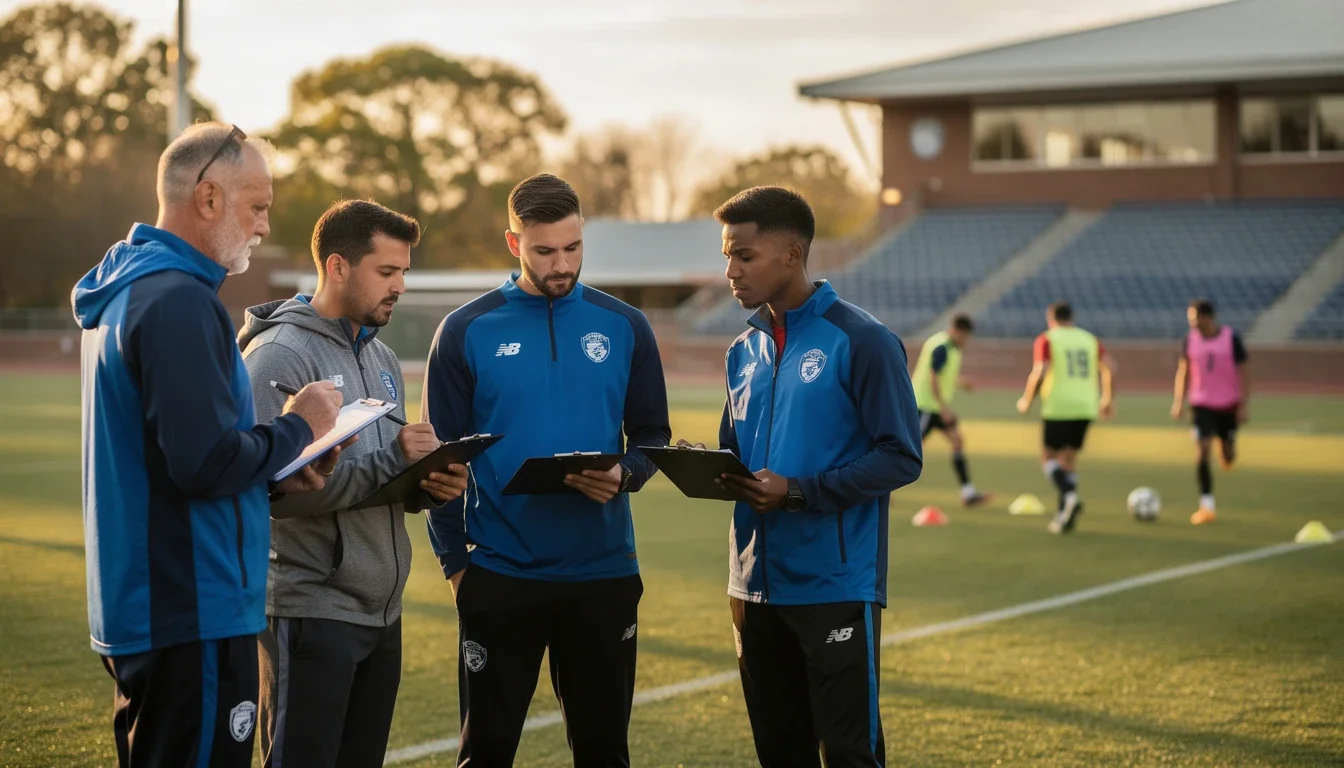
Coaches should develop strong relationships with high school and club coaches in their immediate area. Regular attendance at state championships, ODP events, and local showcases creates a pipeline of information and trust—often allowing you to learn about rising prospects before your competitors. Don’t overlook smaller towns or less “storied” club programs; some of the most driven, coachable athletes emerge from overlooked backgrounds.
Pro tip: Host your own local ID clinics or satellite camps. These one-day events are cost-effective ways to evaluate dozens of prospects on your own turf, while also generating a modest revenue stream.
Leveraging Technology for Virtual Scouting
The COVID-19 pandemic accelerated the adoption of virtual recruiting tools, and smart programs are continuing to capitalize on these innovations. Video analysis and online highlight reels allow coaches to evaluate players without traveling coast-to-coast, saving both time and travel costs. Platforms that aggregate player footage from club games, tournaments, and showcases are more robust than ever.
To take full advantage, coaches should clearly communicate what type of video they want from prospects—uninterrupted match footage, specific technical skills, or tactical decision-making sequences. A detailed video request not only saves time but ensures you’re seeing the attributes that fit your system.
Virtual interviews and Q&A sessions with prospects and their families are another cost-effective way to assess character, commitment, and “fit” with your program culture before investing further. These digital touchpoints don’t replace in-person evaluations, but they do narrow your list efficiently.
Pro tip: Set up a standardized video review rubric for your staff. Consistency in evaluation means you’ll identify the right prospects faster—and avoid costly recruiting misses.
Building Relationships with Club and High School Coaches
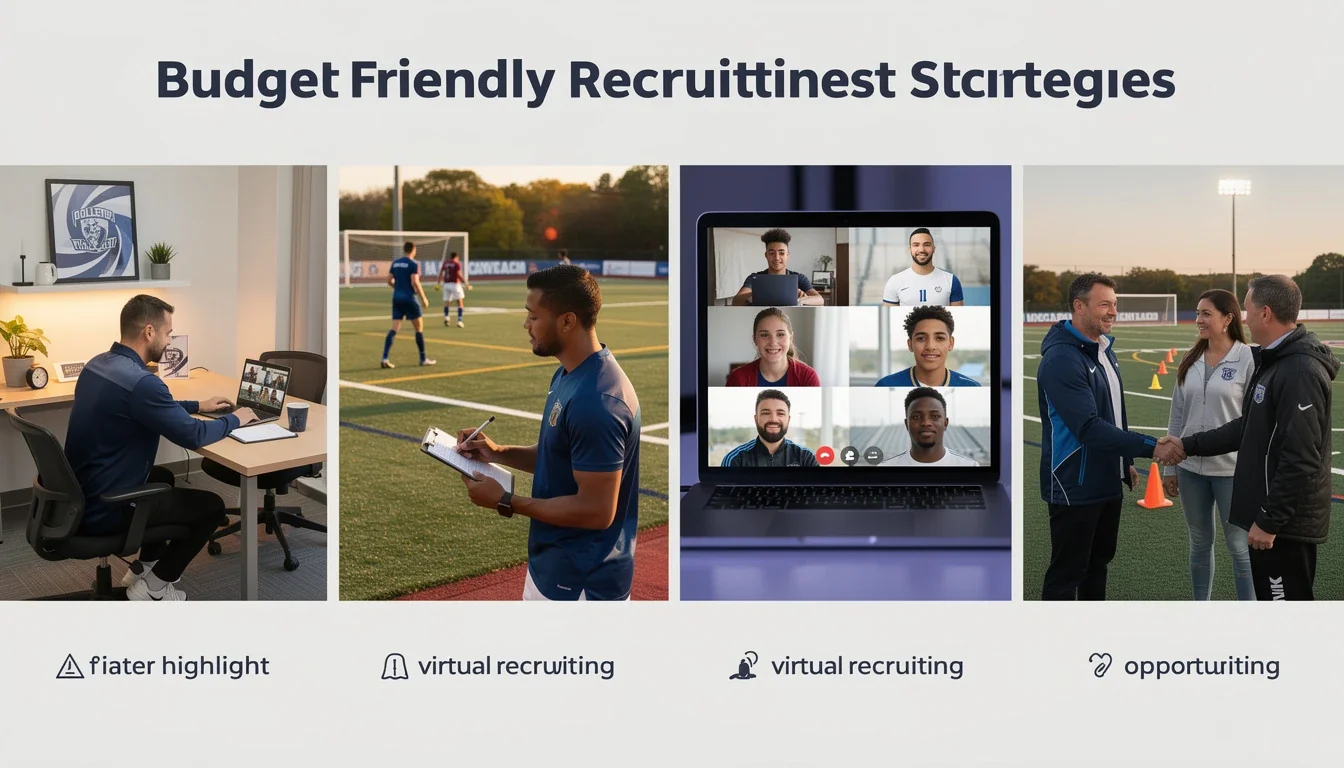
Your network is your best asset. Club and high school coaches see their players daily and can provide honest assessments of work ethic, attitude, and development potential. These relationships are cultivated over time, not just at recruiting events. Quick check-ins, phone calls, or even a simple thank-you note after a showcase can set your program apart.
Budget-conscious programs should prioritize attending events where they can see the most prospects in the least amount of time. Well-organized showcases and regional tournaments present a concentrated pool of talent. But don’t just watch games—make it a point to connect with coaches, trainers, and even parents. Word-of-mouth recommendations from trusted sources can help you discover late-bloomers or under-recruited players who might otherwise slip through the cracks.
Pro tip: Ask club coaches for their “most improved” or “hardest working” players, not just their stars. These athletes often have untapped upside and may be more receptive to your program’s pitch.
Utilizing the Transfer Portal Strategically
The transfer portal has reshaped the college soccer landscape, offering an efficient way to fill roster needs without the costs of long-distance recruiting. Transfers bring college-ready experience and can often make an immediate impact, but successful transfer recruiting requires a thoughtful approach.
First, identify exactly what your roster needs—is it a ball-winning midfielder, a backup goalkeeper, or a versatile defender? Then, monitor the portal for players who fit those needs and reach out quickly. Transfers are often looking for a specific opportunity (playing time, academic program, location), so clarity and honesty in your pitch are essential.
It’s also important to do your homework: check academic standing, injury history, and character references. Since you may not have seen these players in person, connect with their previous coaches for candid feedback. The goal is to minimize risk and maximize fit.
Pro tip: Keep a running “needs list” by position, updated every semester. This allows you to act fast when the right player enters the portal.
Creative Use of Social Media and Branding
Your program’s online presence is a powerful recruiting tool—especially when you’re trying to stand out on a limited budget. Social media platforms like Twitter, Instagram, and even TikTok can highlight your team culture, facilities, and academic support in ways that resonate with today’s recruits.
Regularly post player spotlights, training clips, and behind-the-scenes content. Not only does this engage current players and fans, but it also gives recruits and their families a window into your program’s day-to-day life. Encourage your team to share posts and comment, creating a sense of unity that’s visible to outsiders.
Well-crafted digital content can even help you reach international prospects or transfer candidates who might not otherwise know about your program. Just remember: authenticity matters more than flashy production values.
Pro tip: Designate a staff member or trusted student-athlete as your “content captain” to keep your social channels active and relevant.
Prioritizing Fit and Retention Over Volume
It’s tempting to cast a wide net in hopes of unearthing a star, but budget recruiting is about quality over quantity. Every official visit, phone call, and staff hour represents an investment. Focus your energy on prospects who not only meet your athletic needs but genuinely align with your team’s academic standards, playing style, and culture.
Retention is an underrated part of cost-effective recruiting. Bringing in players who are likely to transfer out or struggle academically creates ongoing roster gaps and additional recruiting cycles—both costly in time and money. During the evaluation process, ask targeted questions about goals, expectations, and adaptability.
When you focus on fit, you build a more cohesive, motivated team—which translates into better on-field performance and fewer recruiting headaches down the line.
Pro tip: Create a “red flag” checklist based on past recruiting challenges. Use it as a guide during early prospect evaluations to screen for potential issues.
Related Articles
Conclusion
Recruiting on a tight budget isn’t about cutting corners—it’s about sharpening your strategy and making every decision count. By focusing on local talent, leveraging technology, building genuine relationships, using the transfer portal wisely, maximizing your online presence, and prioritizing fit and retention, you’ll not only stretch your recruiting dollars further but also build a stronger, more resilient program.
At College Touchline, we believe that the best NCAA Division 1 soccer teams aren’t always the ones with the biggest budgets—they’re the ones with the smartest recruiting game plans. Embrace these strategies, and you’ll be well on your way to sustained success, no matter the size of your war chest.