 By
As the NCAA Division I soccer season hits its stride, few programs have drawn as much tactical intrigue as the University of Washington’s men’s team. Perennially competitive in the Pac-12 and beyond, the Huskies aren’t just winning games—they’re doing it with a defensive structure that’s both disciplined and dynamic. For players, coaches, and fans trying to decode what sets elite college defenses apart, Washington’s mid-season performance is a goldmine of lessons. At College Touchline, we’re diving deep into UW’s backline: how they’re shutting down top offenses, the tweaks that make their system effective, and what aspiring recruits can learn from their approach.
The Huskies’ Defensive Identity
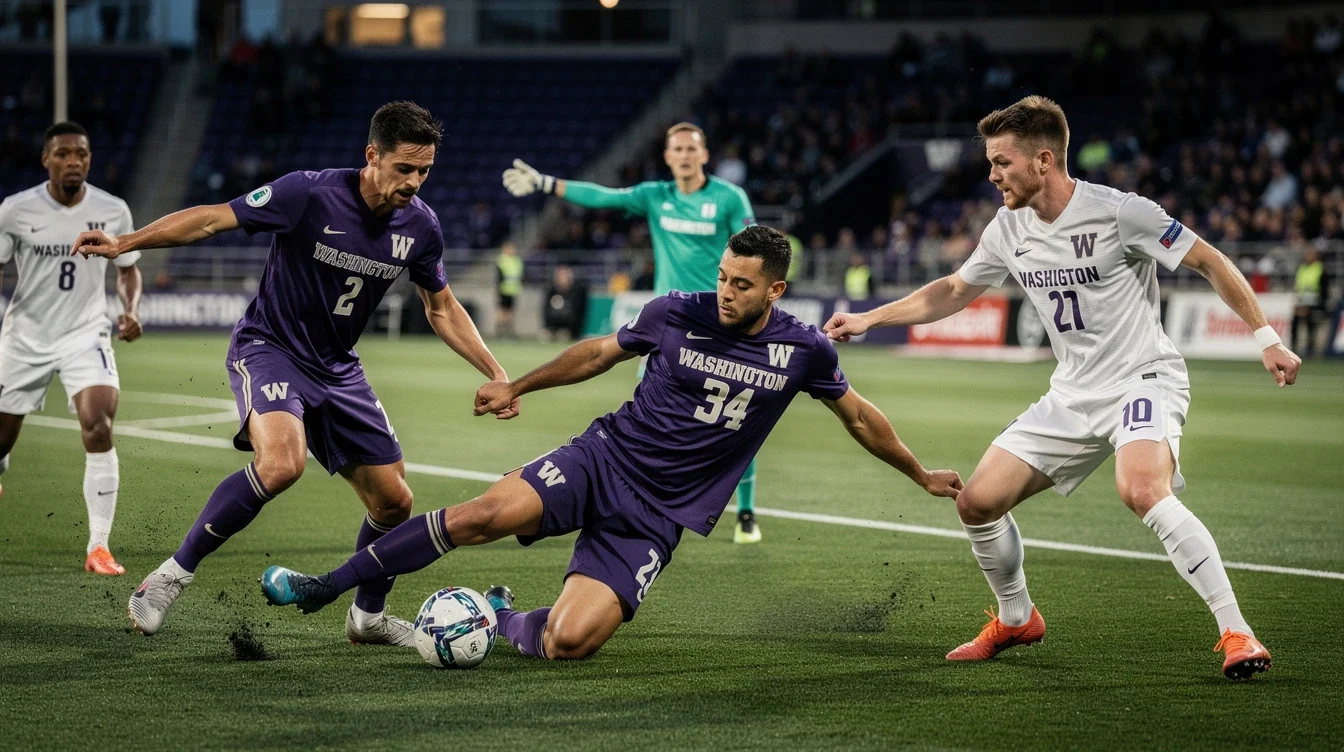
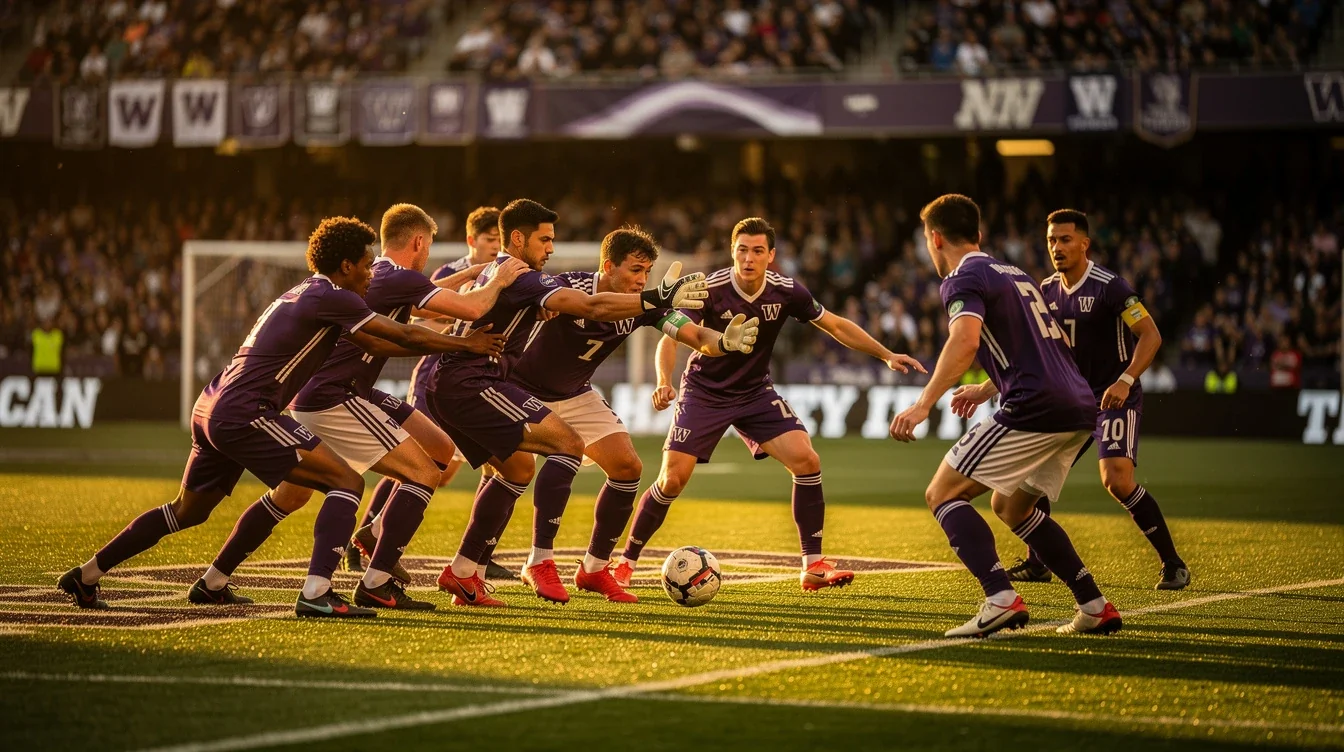
Every great defense starts with a clear identity, and Washington’s is no exception. Head Coach Jamie Clark has long championed a defensive culture built on three pillars: organization, communication, and relentless work rate. Unlike teams that rely solely on athleticism or a low block, the Huskies blend proactive pressing with compact shape, forcing opponents into uncomfortable zones.
At mid-season, Washington’s defensive stats speak volumes. The Huskies have consistently limited opponents’ high-quality chances, not just through sheer numbers behind the ball, but by dictating where the game is played. Their defensive line holds a high starting position, squeezing space in midfield and daring teams to bypass them with long balls—a calculated risk, given their speed and anticipation at the back.
Pro tip: Coaches, don’t underestimate the value of vocal leaders in your backline. UW’s center backs are constantly organizing, calling out runners, and adjusting shape—communication that turns good defenders into great ones.
Tactical Shape: A Hybrid Approach
What makes Washington’s system stand out is its flexibility. They typically set up in a 4-2-3-1 or 4-3-3, but the real magic is in how these numbers shift in live play. Off the ball, the Huskies morph into a compact 4-5-1, with wingers dropping deep and central midfielders screening passing lanes. This hybrid approach allows them to apply pressure high up when the moment’s right, but also collapse into a block that’s tough to break down.
The wide defenders—often overlooked in defensive analysis—play a crucial dual role. They’re tasked with stepping up to intercept passes into the half-spaces but must also be disciplined enough to cover for their center backs when the ball turns over. This demands both athleticism and tactical discipline, qualities that UW recruits for aggressively.
In transition, Washington’s defenders are drilled to “reset shape” within seconds, preventing gaps that transition-heavy opponents love to exploit. Their speed isn’t just physical—it’s mental, with every player knowing their triggers for pressing, covering, or dropping off.
Pro tip: Players looking to make an impact at the D1 level should focus on reading the game, not just reacting. Study how UW’s defenders anticipate play and position themselves early, rather than chasing the ball.
Pressing Triggers and Defensive Transitions

A key element of Washington’s mid-season defense is their ability to recognize pressing cues—a nuanced skill set that separates average college teams from top-tier programs. The Huskies don’t press indiscriminately; instead, they set traps, waiting for specific patterns or poor touches before swarming the ball carrier. This selective aggression minimizes the risk of getting pulled apart and maximizes the likelihood of winning the ball in dangerous zones.
The midfield duo (or trio, depending on the opponent) plays a pivotal role here. They’re not just shielders; they’re initiators, reading when to jump out and close space. The forwards, too, buy in defensively, cutting off passing lanes and forcing play wide where the sideline acts as an extra defender.
Defensive transitions—moments when possession is lost—are treated with almost military precision. Upon losing the ball, UW’s first instinct is immediate counter-press, aiming to win it back within five seconds. If the press is bypassed, the team snaps into a compact block, denying central access and funneling play to less dangerous areas.
Pro tip: Aspiring defenders, study Washington’s “five-second rule” after turnovers. Quick, collective pressure forces mistakes and prevents opponents from exploiting disorganization.
Set Pieces: Turning Defense Into Offense
Set pieces in college soccer are often chaotic, but Washington brings order—and threat—to these moments. Defensively, the Huskies prefer zonal marking in the box, with designated players assigned to clear the most dangerous spaces. This reduces confusion and exploits their defenders’ aerial prowess.
What’s especially notable is how UW transitions from defending set pieces to launching counter-attacks. As soon as the ball is cleared, wide players are already sprinting into advanced positions, providing outlets for a quick break. This dual focus—defend first, attack second—keeps opponents honest and can turn a defensive stand into a scoring chance in seconds.
Corner kicks and wide free kicks are rehearsed down to the smallest detail. Defenders communicate assignments before the ball is played, minimizing errors and ensuring everyone knows their job. This discipline pays dividends, especially in tight games where one set-piece mistake can decide the outcome.
Pro tip: Coaches, emphasize the “next play” mentality after set pieces. Whether you’ve just defended a corner or a long throw, transition is the moment when teams are most vulnerable—or most dangerous.
Recruitment and Development: Building Elite Defenders
Washington’s defensive success isn’t just about tactics—it’s about the players they bring in and how they’re developed. The Huskies recruit defenders who aren’t just physically gifted but also soccer savvy. They look for center backs who can read the game, outside backs with the engine to get up and down, and midfielders who relish dirty work.
Once on campus, player development focuses on decision-making under pressure. Video sessions are a staple, breaking down not just mistakes but also subtle moments—when to step, when to hold, how to communicate. The goal is to create defenders who are thinkers, not just athletes.
For recruits, the takeaway is clear: highlight your defensive intelligence in your game footage. Coaches at elite programs like Washington are looking for players who can organize a backline, sense danger early, and recover from mistakes quickly. Raw speed or size helps, but it’s tactical acumen and composure that set top players apart.
Pro tip: Include clips in your highlight reel where you’re organizing teammates, communicating, or making smart decisions—not just big tackles. Coaches value leadership and game IQ as much as physical tools.
Lessons for College Soccer Stakeholders
What can coaches, players, and families learn from Washington’s mid-season defensive performance? First, that elite defense is a team commitment, not just a back-four job. Everyone buys in, from the striker pressing the ball to the keeper barking orders. Second, flexibility is crucial—being able to shift between shapes and strategies depending on the opponent’s strengths.
For coaches, investing time in defensive communication, pressing triggers, and set-piece organization pays off. For players, especially those eyeing D1 opportunities, it’s not enough to be athletic—you need awareness, anticipation, and leadership. And for families guiding recruits, focus on programs where player development is a priority, not just game results.
Pro tip: During campus visits or recruiting calls, ask coaches how they develop defenders—look for programs with a clear plan for tactical growth, not just fitness and technical drills.
Conclusion
The University of Washington’s NCAA soccer mid-season defense isn’t just a testament to talent—it’s a masterclass in organization, adaptability, and commitment. From their disciplined shape to their pressing triggers and set-piece routines, the Huskies are setting a standard that other programs should study closely. For those aspiring to play or coach at the highest college levels, Washington’s blueprint offers invaluable insights: defense is as much about brains as it is about brawn, and the little details—communication, transitions, leadership—make all the difference. At College Touchline, we’ll keep tracking the Huskies and other top programs, helping you stay ahead of the tactical curve.