
 By
International Players in NCAA Soccer:
Trends, Rules, and Opportunities
College soccer in the U.S. isn’t just for domestic players. International athletes make up a significant portion of NCAA rosters, particularly in Division I programs. For high-school and club players — both domestic and international — understanding how international recruitment works, the rules, and the trends can give you an edge.
This post explores who gets recruited, how the process works, and what international athletes should know.
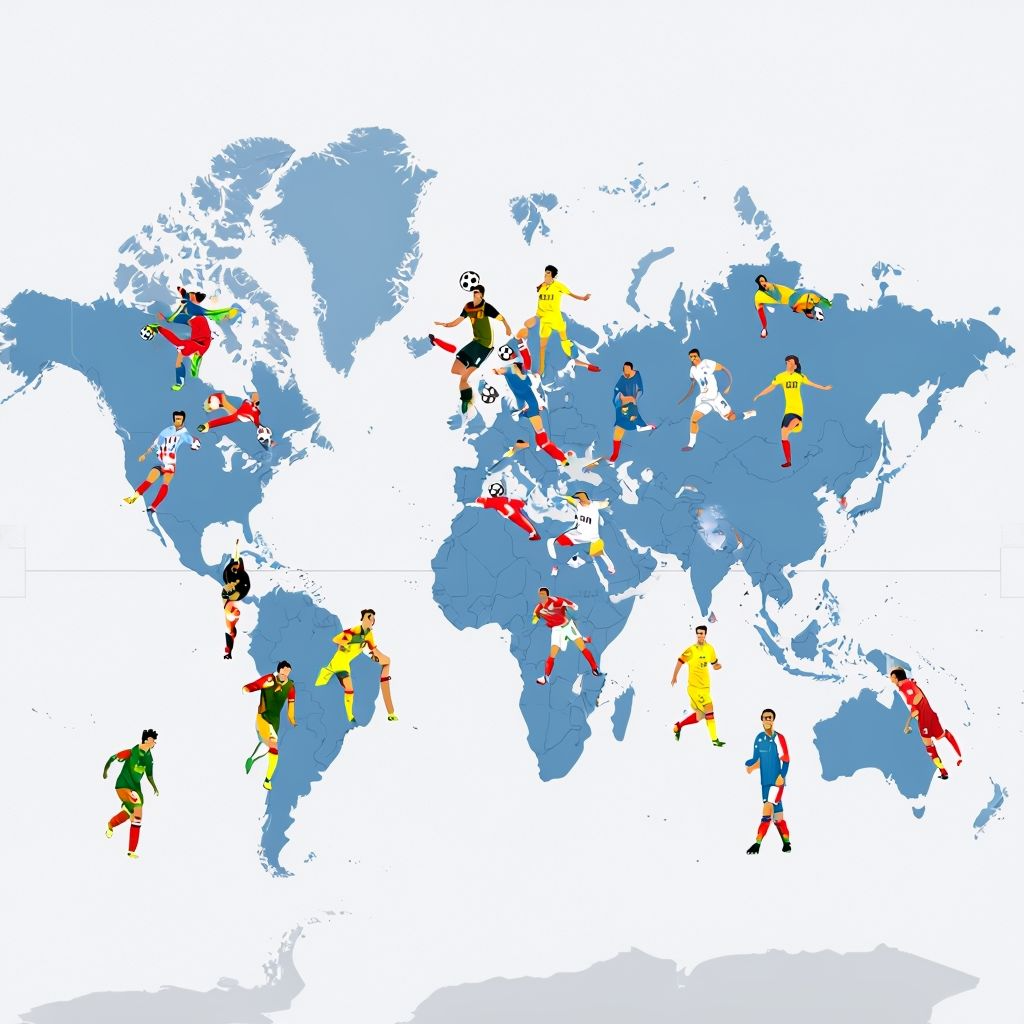
The Rising Trend of International Players
Over the last decade, NCAA men’s soccer has seen a substantial increase in international athletes. Why?
Global scouting: College coaches actively recruit from countries with strong soccer cultures (Europe, South America, Africa).
High-level talent pool: International players often bring advanced technical and tactical skills developed in professional or semi-professional youth academies.
Diverse playing styles: Different countries produce players with unique strengths — speed, skill, tactical intelligence, or physicality.
Transfer Portal: Some international players move between U.S. colleges, creating more visibility.
Statistics indicate that in some top D1 programs, 40–50% of the roster can be international, especially for forwards and attacking midfielders.
Rules and Eligibility for International Players
International athletes must meet the same NCAA eligibility requirements as domestic players, with a few additional considerations:
1. NCAA Academic Requirements
Must meet GPA and core-course requirements (similar to U.S. students).
SAT/ACT scores are considered for initial eligibility.
2. Amateurism Rules
Players must not have played professionally before college.
Any prior professional experience must be disclosed.
3. Visa and Immigration
Typically, international students attend on F-1 student visas.
Schools may provide guidance for visa paperwork, but the student is ultimately responsible.
4. Recruiting Communication
International players can be contacted by coaches starting 9th grade for men’s soccer.
Email, video footage, and online platforms (YouTube, Hudl, BeRecruited) are essential for visibility.
Why International Players Are Attractive to Coaches
Experience in competitive leagues: International players often face higher-level competition in youth academies.
Different tactical approaches: They bring fresh perspectives and creativity to the team.
Versatility: Many have experience in multiple positions or systems.
Immediate impact: Players from abroad often contribute early, especially in programs looking for goals or strong technical play.
Challenges International Players Face
Adapting to U.S. style: College soccer can be faster and more physical than some international youth leagues.
Cultural adjustment: Language, academics, and living away from home require adaptability.
Roster limits: NCAA programs have a finite number of scholarships and roster spots. International players often compete for limited positions.
Visa constraints: Delays or errors in visa paperwork can impact eligibility.
Tips for International Players Looking to Play in the NCAA
1. Start Early
Build academic and athletic credentials in time for college applications.
Create highlight videos showcasing your best game footage.
2. Target Appropriate Programs
D1 programs are highly competitive; D2, D3, NAIA, and JUCO schools may provide more realistic opportunities.
Consider schools that already have international players — they understand the transition.
3. Use Video and Online Platforms
Share highlight reels, full-game footage, and stats online.
Platforms like Hudl, YouTube, and BeRecruited are commonly used by coaches.
4. Communicate Professionally
Email coaches with a concise introduction, stats, academic information, and video links.
Highlight your adaptability and experience with diverse playing styles.
5. Prepare Academically
Ensure transcripts are translated and meet NCAA eligibility standards.
Take standardized tests (SAT/ACT) if required.
International players are increasingly shaping NCAA soccer, bringing skill, creativity, and experience to college teams across the country. For domestic players, awareness of this trend helps set realistic expectations — and for international players, understanding the rules, opportunities, and challenges is key to securing a spot.
The NCAA is now a truly global game — with the right preparation, international players can thrive and make an immediate impact on college teams.


