By
ByIf you’ve spent any time watching NCAA Division 1 soccer, you know the game’s heartbeat is in the midfield. More than just a bridge between defense and attack, the midfield partnership is the engine that drives a team’s tempo, style, and success. But what exactly makes a midfield duo click at the college level? How do coaches find the right mix of creativity, grit, and tactical discipline? In today’s deep-dive for College Touchline, we’ll unpack the dynamics that shape great midfield partnerships in NCAA D1 soccer—what works, what doesn’t, and what you should be looking for, whether you’re a player, coach, or passionate fan.
Why the Midfield Partnership Matters
In D1 soccer, the competition is fierce and margins are razor-thin. Games are often won or lost in the center of the park. The right midfield partnership does more than just keep possession; it dictates rhythm, breaks down opposition structure, and shields the back line from dangerous counterattacks. At this level, the “two in the middle” (whether that’s a classic double-pivot, a destroyer/playmaker duo, or something more fluid) are responsible for both the team’s stability and its spark.
Balance is the buzzword. One midfielder might be more defensively minded, anchoring the space in front of the center backs and breaking up play, while the other pushes forward, threads passes, and makes late runs into the box. But it’s not just about dividing roles—it’s about understanding, anticipation, and adaptability. The best partnerships move as one, covering for each other’s movements and making smart decisions on when to press, hold, or transition.
Pro tip: Watch how top D1 duos communicate. Verbal cues, hand signals, and even quick glances can be the difference between closing down a counter or leaving a gap.
Types of Midfield Partnerships in D1
Every coach has their own philosophy, but most D1 programs gravitate toward a handful of proven midfield setups. Understanding these templates can help you spot strengths and vulnerabilities, both in your own play and in opponents.
The Double Pivot is a favorite among possession-oriented teams. Here, two central midfielders sit deeper, sharing defensive duties and recycling the ball. Think of them as twin conductors, orchestrating the build-up and ensuring the team isn’t exposed on the break. This setup is particularly effective against teams that press aggressively, as it offers multiple outlets and options.
On the flip side, some teams opt for a Destroyer and a Creator. The destroyer is the workhorse—tackling, intercepting, and covering ground—while the creator pulls the strings, looking for line-breaking passes and opportunities to advance. This combination is dynamic and balances steel with skill.
A third common approach in D1 is the Box-to-Box Pairing. Here, both players are asked to do it all: defend, attack, and transition at pace. These duos are typically relentless athletes with high soccer IQs, powering up and down the pitch for ninety minutes.
Pro tip: If you’re a recruit, study the systems your top programs use. Does your style fit a double pivot, or are you more of a box-to-box dynamo? Tailoring your highlight reels and conversations to match can give you a leg up in the recruiting process.
Chemistry: The Secret Ingredient
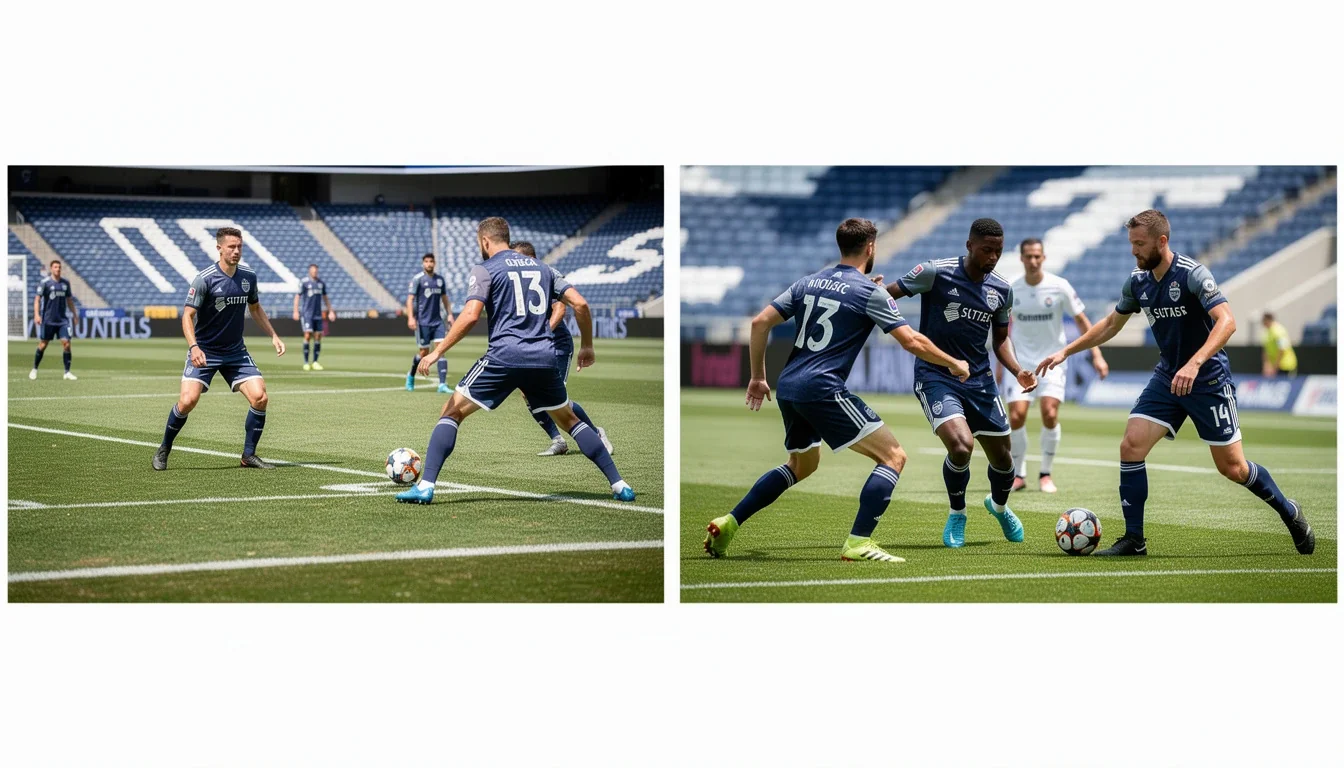
Tactics and roles matter, but the magic of a great midfield partnership is chemistry. This goes beyond skillsets—it’s about trust, communication, and shared instinct. In D1, where rosters change rapidly thanks to recruiting and the transfer portal, building chemistry quickly is a must.
Great partnerships anticipate each other’s movements. When one pushes forward, the other covers; when one steps to press, the other tucks in. It’s a dance that requires hours on the training pitch and honest conversations off it. Some coaches encourage their midfielders to study film to gether, breaking down not just their own play but how the best duos in the college game operate.
Off-field dynamics can also play a huge role. Roommates who become midfield partners often have a head start—they know each other’s habits, preferences, and personality quirks. But even if you’re paired with someone new, investing in the relationship pays dividends on game day.
Pro tip: If you’re a midfielder, ask your partner for feedback after games and training. Talk about what worked, what didn’t, and where you can support each other better. Open lines of communication build trust fast.
Adjusting to Opponents and Game Situations
Even the best-laid tactical plans can unravel if a midfield duo isn’t adaptable. NCAA D1 soccer is rich with tactical diversity—one week you’re facing a direct, physical team, the next you’re up against a side that loves to keep the ball. The best partnerships are those that can shift gears depending on the opponent and the game situation.
For example, against a team that overloads the midfield, your partnership might need to sit deeper, stay compact, and look for moments to break pressure. Facing a weaker side, you might push one midfielder higher, creating overloads in attack and pinning the opposition back. In the dying minutes of a tight match, clear communication about risk and positioning is essential—one moment of miscoordination can decide the outcome.
It’s not just about reacting, though. Elite duos can impose their will on a game, forcing opponents to adjust to them. Whether it’s by controlling possession, dictating the tempo, or winning the battle for second balls, a dominant midfield partnership gives a team a strategic edge.
Pro tip: Study film not just for your own team, but for your upcoming opponents’ midfield. Notice their tendencies and weak spots, and discuss with your partner how you’ll exploit or counter them come game day.
Recruitment and Building Partnerships
For coaches and aspiring D1 players alike, understanding what makes a great midfield partnership is crucial in the recruitment process. Coaches aren’t just looking for the best individual; they’re looking for pieces that fit to gether. That means evaluating not just technical ability, but tactical awareness, communication skills, and attitude.
Recruits should pay close attention to how they interact with potential future teammates during campus visits, ID camps, and scrimmages. Are you able to connect passes under pressure? Do you instinctively cover when your partner pushes forward? These moments aren’t just about individual brilliance—they’re about showing you can be part of something bigger.
For coaches, the challenge is blending recruits, transfers, and returning players into a cohesive midfield. It takes intentional planning, clear communication, and sometimes, tough decisions about who fits best to gether. The most successful programs invest in leadership, mentorship, and structured team-building to accelerate the process.
Pro tip: If you’re a coach, try pairing new midfield duos in preseason and friendly matches. Give them time to gel and see which combinations spark the best chemistry and balance.
The Future of Midfield Partnerships in D1
As the landscape of NCAA D1 soccer evolves, so too does the role of the midfield partnership. The increased use of advanced stats, video analysis, and data-driven recruiting means coaches have more tools than ever to assess and optimize their midfield. Players are coming in with higher technical ability and tactical understanding, thanks to elite club environments and international influences.
But no matter how the game changes, the fundamentals remain. Communication, trust, and adaptability will always be at the core of great midfield play. The partnership at the heart of the pitch is where games are controlled, momentum is built, and championships are won.
Pro tip: Keep an eye on trends in the professional game, but never lose sight of what works for your team’s current strengths and weaknesses. The college game has its own unique demands—adapt and thrive.
Related Articles
Conclusion
Midfield partnerships are the lifeblood of NCAA Division 1 soccer—balancing grit with creativity, structure with spontaneity, and individual brilliance with selfless teamwork. Whether you’re a player aiming for the next level, a coach building your roster, or a die-hard fan dissecting every pass, understanding these dynamics will deepen your appreciation for the beautiful game at the college level. Invest in chemistry, embrace adaptability, and never stop learning—because in D1 soccer, the right partnership can make all the difference.