By
ByAsk any coach or player at the NCAA Division 1 level what defines a great midfielder, and you'll hear a familiar answer: adaptability. The modern college game moves at breakneck speed, with tactical shifts happening not just game-to-game, but minute-to-minute. For midfielders, this means thriving in multiple roles—sometimes within the same match. Mastering role adaptability isn't just a bonus; it's the foundation for recruitment, longevity, and success at the highest collegiate level. In this article, we’ll break down core strategies that help midfielders excel in any role, offering practical insights for players, coaches, and anyone serious about college soccer.
Understanding Core Midfield Roles

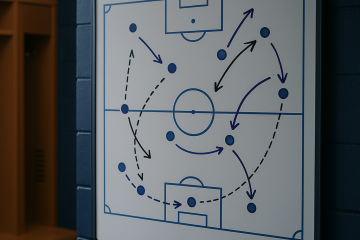
Before you can adapt, you have to understand the landscape. In NCAA Division 1 soccer, midfielders are rarely boxed into one strict job description. Coaches expect players to oscillate between defensive, box-to-box, and attacking responsibilities based on the team's needs and match situation. The classic "number 6" sits deep, shielding the backline and controlling tempo. The "number 8" covers ground, connecting play and switching between defense and attack. The "number 10" pushes forward, creating and converting chances.
But here's the reality: few games are scripted. Injuries, opposition tactics, or even a red card can force a shift. The best midfielders know how to step into a more defensive or offensive role without hesitation. This means not just technical skills, but tactical intelligence, communication, and self-awareness.
Pro tip: Spend time watching film of top NCAA and pro midfielders in different roles. Notice not just their skills, but how they position themselves, communicate, and adapt as the game evolves.
Building Tactical Intelligence
Role adaptability starts in the mind, not the feet. Tactical intelligence is your ability to read the game, anticipate changes, and make quick decisions. Coaches at the Division 1 level look for midfielders who don't just execute instructions, but understand the "why" behind each tactical adjustment.
To build this, immerse yourself in team meetings, ask questions, and study different formations—4-3-3, 4-2-3-1, 3-5-2, and more. Learn how each system alters the demands on midfielders. For example, a double pivot in a 4-2-3-1 requires more positional discipline, while a three-man midfield in a 4-3-3 asks for constant transitions between supporting the defense and joining the attack.
During training, challenge yourself to play out-of-position when possible. If you're typically a holding midfielder, volunteer to train as an "8" or "10" to see the game from a new angle. You'll develop a deeper understanding of your teammates' needs and your own adaptability.
Pro tip: After each game, debrief with coaches or teammates about key tactical moments. Reflecting on what worked—and what didn’t—sharpens your adaptability for next time.
Technical Versatility: The Skillset of an Adaptive Midfielder

Technical proficiency is the toolbox; adaptability is how you use the tools. For Division 1 midfielders, it’s vital to be two-footed, comfortable under pressure, and able to execute a range of passes, tackles, and dribbles. But what sets adaptable players apart is their ability to shift skill usage based on the role they’re asked to fill.
As a defensive midfielder, you’ll need to break up play, shield the ball, and play safe passes. When pushed forward, the same player must switch gears: driving at defenders, threading risky balls, and taking shots. Practice sessions should reflect this diversity, incorporating drills that force quick transitions between defensive and attacking scenarios.
Small-sided games are especially effective for this. By shrinking the field and increasing intensity, players are forced to make rapid decisions and adapt their technical choices on the fly. Coaches can further simulate game-like role switches by changing formations mid-scrimmage, requiring midfielders to adjust their positioning and responsibilities instantly.
Pro tip: In your individual training, spend equal time on defensive and attacking drills, even if you have a “preferred” role. The more tools you have, the more valuable you become.
Communication and Leadership in Role Shifts
Adaptability isn’t a solo act. Effective communication is what stitches to gether tactical changes and keeps the team cohesive when roles shift. On the college touchline, coaches are constantly sending in new instructions—sometimes with just a yell or a gesture. It’s up to midfielders to interpret, communicate, and implement these shifts in real time.
Whether you’re dropping deeper or pushing higher, vocalize your intentions. Call for cover, direct teammates, and signal when you’re changing roles. In high-pressure games, a split-second of hesitation can lead to a breakdown. Leaders in the midfield set the tone, keeping everyone synchronized and confident.
Off the field, build rapport with your teammates. The more you understand their strengths, preferences, and habits, the easier it is to fluidly switch roles without confusion. Team-building exercises, video review sessions, and honest conversations all contribute to a culture of adaptability.
Pro tip: Practice “shadow coaching”—pretend you’re the coach on the field. Call out formations, shifts, and adjustments as you see them. This builds both communication skills and tactical awareness.
Mental Resilience: The Psychological Edge
Perhaps the most overlooked aspect of role adaptability is the mental game. Change can be uncomfortable, even intimidating—especially in high-stakes NCAA matches where mistakes can cost results or playing time. The most successful midfielders develop mental resilience, embracing new roles as opportunities rather than threats.
This starts with a growth mindset. Instead of seeing role changes as criticism, view them as a chance to showcase versatility and earn trust from coaches. Mistakes will happen; what matters is your response. Quickly analyzing errors, asking for feedback, and bouncing back sets you apart in the eyes of recruiters and teammates alike.
Visualization techniques can also help. Before games, mentally rehearse different scenarios: What if you’re asked to play higher up? What if you’re needed as a shield in front of the back four? Familiarizing yourself with these possibilities prepares you for in-game surprises.
Pro tip: Keep a performance journal. After each match or training session, jot down moments where you had to adapt. What went well? What challenged you? Over time, you’ll see your adaptability—and confidence—grow.
Adaptability in the Recruiting Process
For high school players eyeing the NCAA Division 1 pathway, demonstrating adaptability isn’t just about performance—it’s a powerful recruiting tool. College coaches are constantly seeking midfielders who can fill multiple roles, offering flexibility as rosters and formations evolve.
Highlight your adaptability in recruitment videos and conversations. Show clips of yourself playing different midfield roles, or even stepping into defense or attack when needed. Be prepared to discuss your experience with tactical changes in team meetings or on the field. Coaches want to know you’re comfortable with uncertainty and ready to contribute in any capacity.
Transfer portal players should double down on this message. If you’re seeking a new environment, adaptability makes you an attractive option for programs looking to fill gaps quickly. Be honest about your preferred positions, but emphasize your willingness—and history—of stepping up wherever the team needs you.
Pro tip: When reaching out to college coaches, ask about their tactical philosophy and how they use midfielders. This shows you’re thinking about fit and are eager to adapt to their system.
Related Articles
Conclusion
Adaptability is the secret weapon of elite NCAA Division 1 midfielders. It’s not just about having a broad skillset, but about developing the tactical, technical, communicative, and mental tools to thrive in any role the game demands. Whether you’re a player looking to impress recruiters, a coach building a championship roster, or a fan eager to understand the finer points of the college game, focusing on these adaptability strategies will elevate your approach. The most successful midfielders aren’t just masters of one position—they’re students of the whole pitch, ready to adapt, lead, and excel no matter the challenge.