 By
As the leaves start to fall and the NCAA soccer season hits its stride, coaches and players find themselves facing an inevitable truth: what worked in the opening weeks may not be enough to push through the campaign’s toughest stretch. Opponents adapt. Scouting deepens. Injuries and fatigue demand change. That’s where midseason pressing strategy adjustments come into play, often separating playoff contenders from those left watching from home. At College Touchline, we know that understanding—and mastering—these tactical tweaks can make the difference for coaches, players, and serious fans who want to stay ahead of the curve.
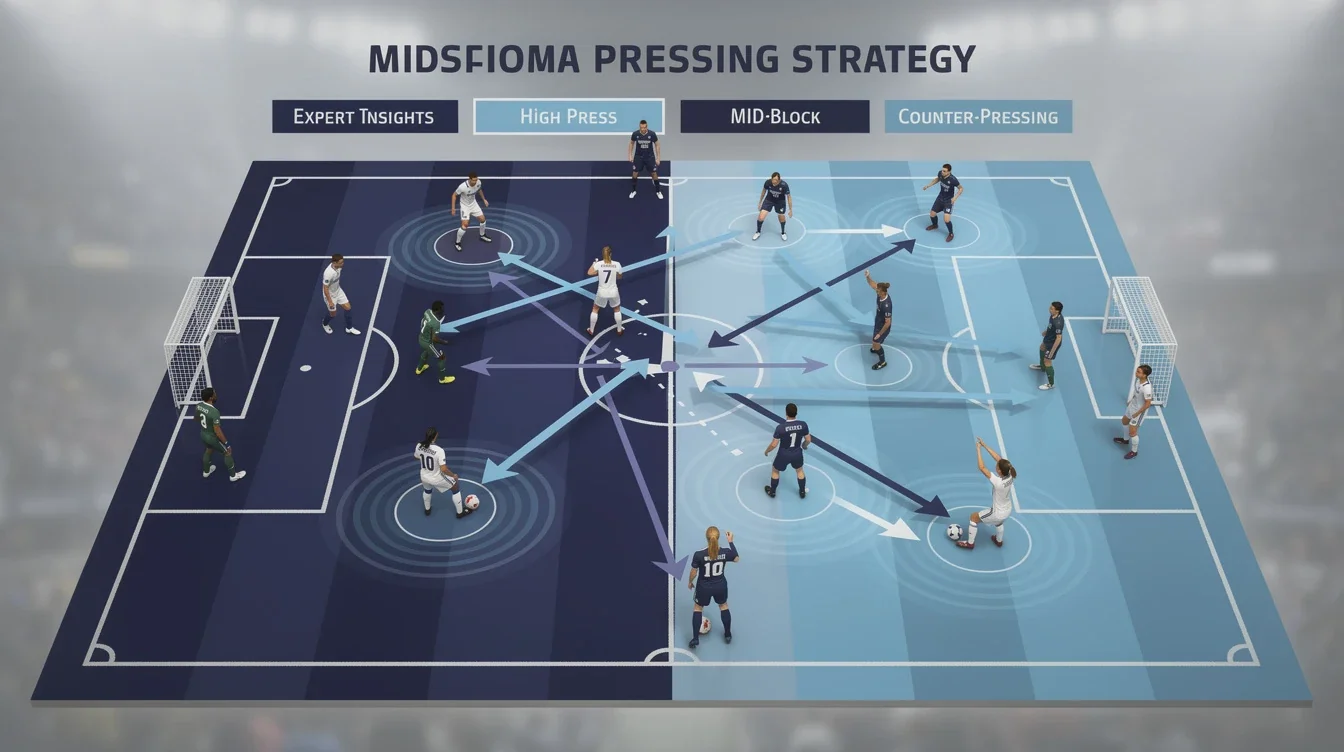
The Press: Why It Changes Midseason
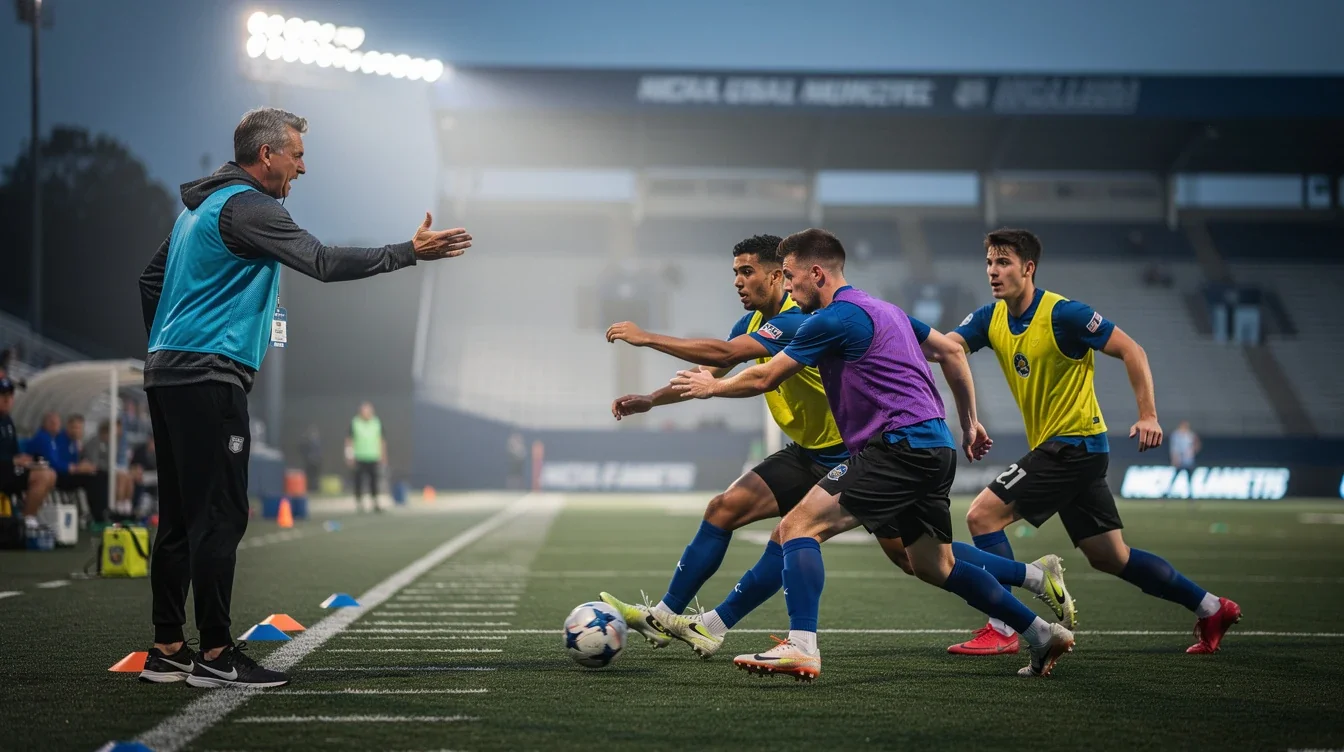
Pressing, in its simplest form, is about winning the ball back higher up the field. But in NCAA Division 1 soccer, the variables shift as the season unfolds. Early in the year, many teams stick to their preferred pressing routines. They often rely on preseason preparation and the element of surprise. As weeks pass, film builds up. Opponents learn your triggers and patterns. Suddenly, that relentless high press isn’t catching teams out—it’s being bypassed with ease.
Fatigue is another factor. NCAA matches come thick and fast, and travel can take its toll. The energy required for a full-throttle press can wane, and coaches may notice pressing intensity dropping as legs tire. Add in the inevitable dings and injuries, and the personnel available for pressing can change week to week.
That’s why the best programs build flexibility into their system. They’re not just pressing for the sake of pressing—they’re pressing with purpose, knowing when to ramp up, when to drop off, and how to adjust their cues. Midseason is the proving ground for these adaptations.
Pro tip: Track the number of successful regains in the attacking third across each match. If those numbers dip over several games, it may be time to recalibrate your pressing triggers or adjust your lines of engagement.
Reading the Opposition: Scouting for Adjustments
By midseason, there’s no hiding. Coaches in Division 1 soccer pore over game film, dissect passing patterns, and identify weaknesses. If your press is too predictable, opponents will have tailored build-up routines to break it. That’s why scouting isn’t just about learning the other team’s lineup—it’s about diagnosing how they try to beat a press.
Some teams will drop a midfielder between the center backs to create a numerical overload and play through the press. Others will bypass entirely, launching direct balls behind your defensive line. And then there are sides that bait the press, inviting pressure before switching play to exploit the space you leave.
Effective midseason pressing adjustments rely on recognizing these tendencies early in the week. Is your next opponent a team that plays out religiously from the back? Or do they look to hit their target forward as soon as possible? The answer should dictate not just whether you press, but how you press. Maybe it’s time to shift from a man-oriented press to a zonal one, or to stagger your pressing lines to cut off specific channels.
Pro tip: Use video analysis to create short clips of how your next opponent breaks pressure. Share these with your forwards and midfielders to sharpen their anticipation and decision-making before matchday.
Tactical Tweaks: Adjusting Your Press
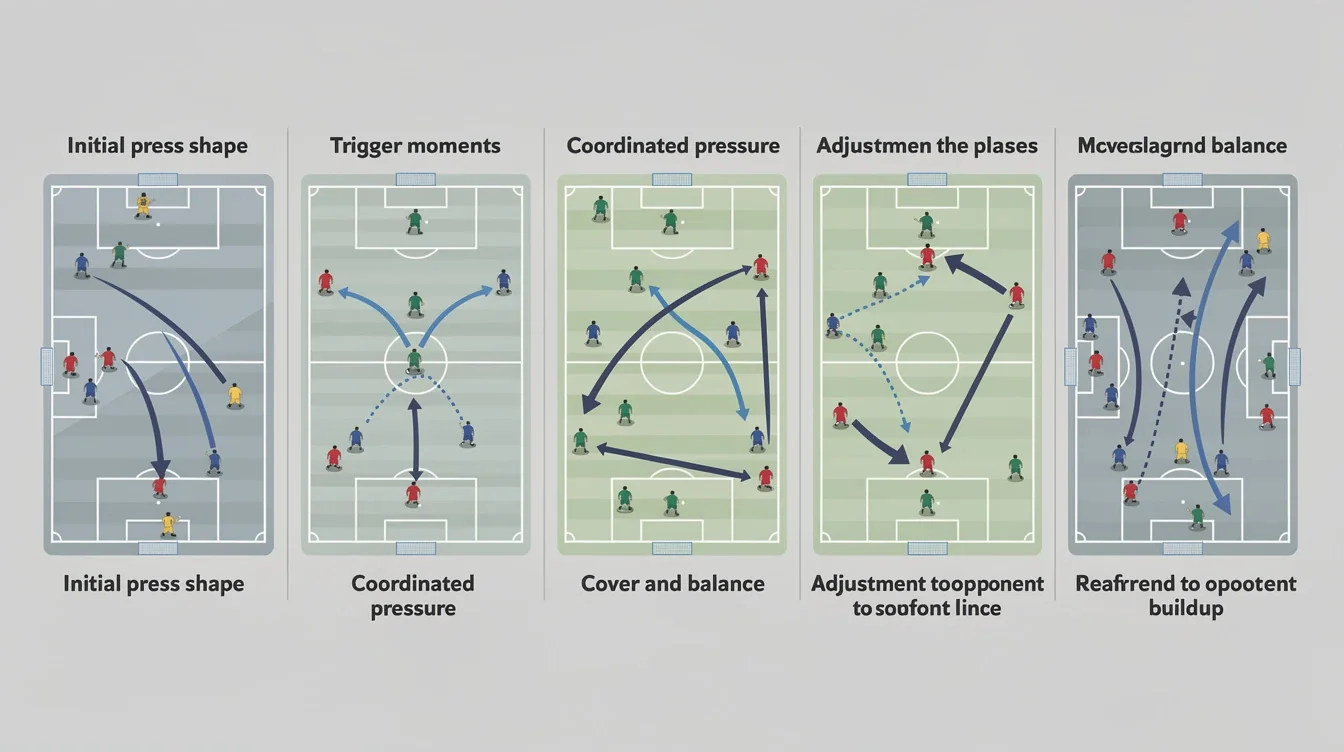
So, how do you actually adjust? The beauty of pressing is its adaptability. There’s no single “right” way to press, but there are fundamental tweaks that can refresh your approach midseason:
- Adjusting the line of engagement: Maybe your high press has lost some bite, or your forwards are running on fumes. Dropping the first line of pressure 10-15 yards deeper can conserve energy and force opponents to play in front of you. Alternatively, you might push up in key moments to capitalize on a nervous backline.
- Changing pressing triggers: If teams have figured out your cues—like pressing on a back pass—you can switch things up. Maybe you press on a particular player’s touch, or after a wide ball, or when the opponent turns toward their own goal.
- Varying the numbers: Some games call for all-out swarm pressing, while others require a more conservative 1-2-3 shape, with only one forward pressing and others blocking passing lanes. This fluidity keeps opponents guessing and can help manage your squad’s fitness.
- Rotating personnel: Midseason is when depth matters. Giving different players key pressing roles not only keeps legs fresh but can also bring new energy and unpredictability to your press.
The best teams blend these adjustments seamlessly, making their pressing scheme feel unpredictable and dynamic rather than static.
Pro tip: In training, run “opposed” pressing drills where the attacking team’s goal is to exploit a specific pressing weakness you’ve identified. This helps your squad adapt in real time and gives you a clear read on whether your adjustments are sticking.
Communication and Leadership: The Human Element
Pressing is as much about mindset and communication as it is about tactics. Midseason, when stress and fatigue mount, communication can fray. That’s when on-field leadership becomes crucial. Your press will only be as effective as your players’ willingness to work for each other, cover gaps, and make split-second decisions.
Captains and vocal leaders must be empowered to call out triggers and organize the press on the fly. This is especially true when you’re making tactical tweaks—players need to trust that their teammates are on the same page. A moment’s hesitation or a misread cue can unravel the entire structure, gifting the opposition an easy out.
Coaches should use film sessions not just to critique but to highlight moments when communication and leadership made the press click—or when it broke down. This builds buy-in and helps the entire squad internalize the importance of collective effort.
Pro tip: Designate a “pressing captain” for each match—someone responsible for calling out triggers and keeping the group locked in. Rotate this role to build leadership throughout your roster.
Recruitment and Long-Term Planning
For college coaches looking beyond the current season, midseason pressing adjustments are a valuable lens for recruitment and player development. A player’s ability to adapt, understand new pressing cues, and communicate under pressure is just as important as raw physicality or technical skill.
When evaluating recruits or transfer portal prospects, pay close attention to their tactical IQ. Do they recognize when to press or drop off? Are they vocal? Can they pick up a new pressing pattern in a few days? Players who’ve thrived in systems with flexible pressing schemes are often easier to integrate and more resilient when the season’s demands shift.
For players, showing adaptability and tactical awareness in your pressing role will not only boost your current team’s success—it’ll make you stand out to scouts and coaches watching film. Make sure your game tape highlights not just your pressing effort, but your decision-making, anticipation, and communication within the press.
Pro tip: In your highlight reels, include sequences where you adjust your pressing based on the opponent’s build-up, communicate with teammates, or win possession through smart positioning. Coaches are watching for these moments.
Making Adjustments Stick
No pressing tweak is effective unless it’s understood and embraced by the team. That means clear messaging from the coaching staff, consistent reinforcement in training, and open lines of feedback between players and coaches. Use video sessions, on-field walk-throughs, and post-match reviews to check for understanding and buy-in.
It’s also important to recognize that not every adjustment will work right away. Some may take a game or two to settle, and others might be abandoned if they’re not yielding results. The key is to stay proactive—don’t wait for a losing streak to force your hand. The best coaches are already tweaking and refining, keeping their squads fresh and their opponents guessing.
Pro tip: After implementing a new pressing adjustment, ask for player feedback in small groups. You’ll often get valuable insight about what’s working and what’s confusing, helping you fine-tune your approach.
Conclusion
Midseason pressing strategy adjustments are where tactical theory meets on-field reality in NCAA soccer. The programs that thrive are those that treat pressing as a living, breathing part of their identity—not a set-and-forget tactic, but a system that evolves with opponents, player availability, and the demands of a grueling college campaign. Whether you’re a coach fine-tuning your system, a player looking to stand out, or a fan seeking to understand the game’s deeper layers, mastering midseason pressing adjustments can unlock the next level of performance. At College Touchline, we’ll keep breaking it down—so you can keep raising your game.