 By
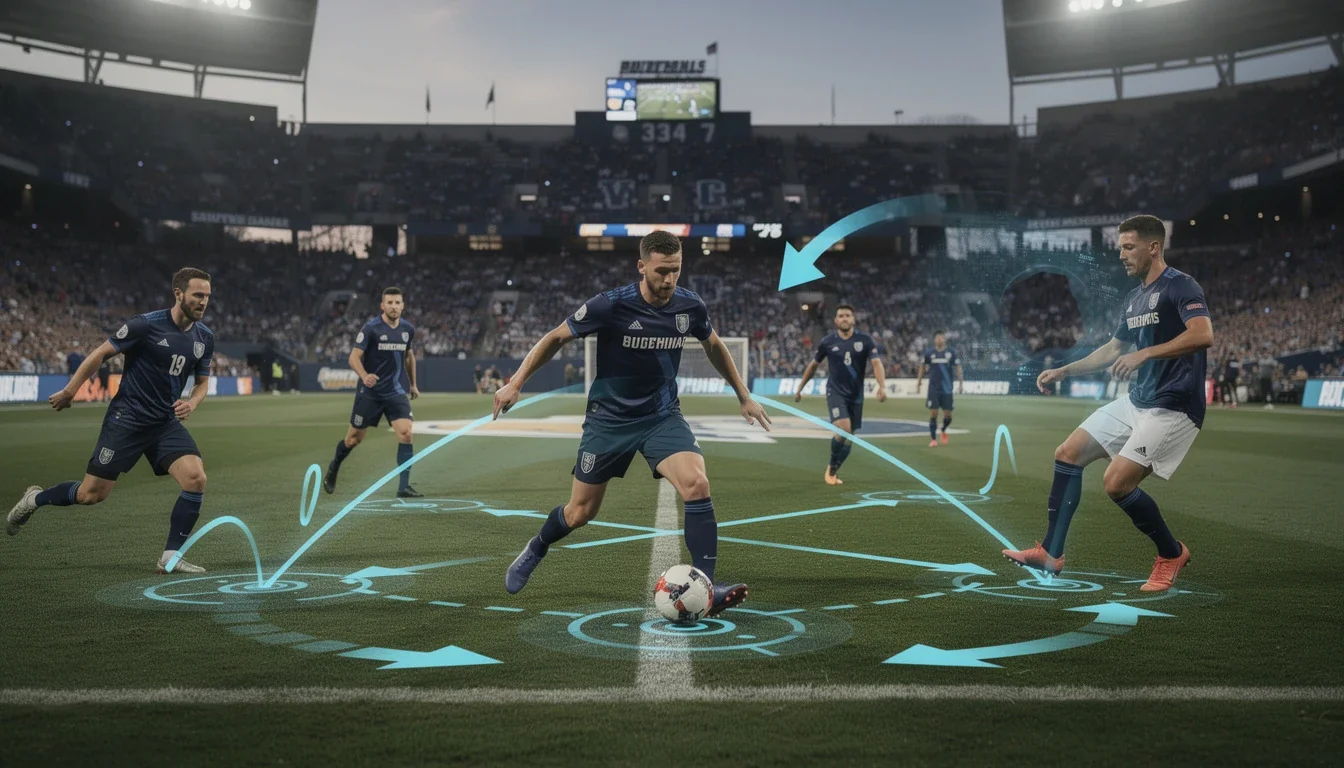
ByThe heart of every successful college soccer team beats in the midfield. From dictating tempo to connecting defense and attack, midfielders are decision-makers, problem-solvers, and the engine room of any NCAA Division 1 side. But in today’s game, intuition and experience alone aren’t enough. With the explosion of data analytics across collegiate sports, top programs are leveraging data-driven insights to refine and revolutionize midfield decision making. For players, coaches, and even fans, understanding this transformation is key to staying ahead of the competition.
The Evolution of Midfield Strategy

For decades, midfield play in NCAA soccer was built on tradition and coach’s instinct. Coaches would look for players with “good feet,” high soccer IQ, and leadership qualities to anchor their central third. However, as technology crept into the game, the ability to quantify player actions and outcomes has changed the way coaches evaluate and instruct their midfielders.
Today, every meaningful pass, interception, and movement is tracked, analyzed, and put into context. This has led to a more objective view of what makes a midfielder effective. Decision-making is no longer just about what you see from the sideline—it’s about what you can measure.
Pro tip: If you’re a midfielder looking to stand out, start learning how to read your own data. Understanding your passing map or heatmap is just as important as mastering a new skill move.
Key Metrics Driving Midfield Decisions
So, what are coaches and analysts really looking at when they assess a midfielder’s decision making? It’s not just goals and assists. The modern evaluation digs deep into nuanced metrics that reveal a player’s impact on the game’s flow.
Pass Completion Under Pressure: Not all passes are created equal. Advanced tracking systems can now tell whether a midfielder completes passes when marked tightly or under pressure, offering a window into composure and vision.
Progressive Passing: It’s not about quantity, but quality. Progressive passes—those that break lines and move the ball significantly forward—are gold. Coaches want midfielders who can turn defensive phases into attacking chances with one or two intelligent passes.
Defensive Actions per 90 Minutes: Tackles, interceptions, ball recoveries—these numbers help assess how well a midfielder regains possession and disrupts opposition play.
Decision Speed: With video tracking and time-stamping, analysts can now measure how quickly a midfielder makes choices in tight spaces. Faster decision-makers often create more time for teammates and themselves.
Pro tip: Familiarize yourself with these metrics and find ways to highlight them in your game film or recruiting profile. It’s no longer enough to just “look good” on the ball.
Video Analysis: The Modern Midfielder’s Playbook
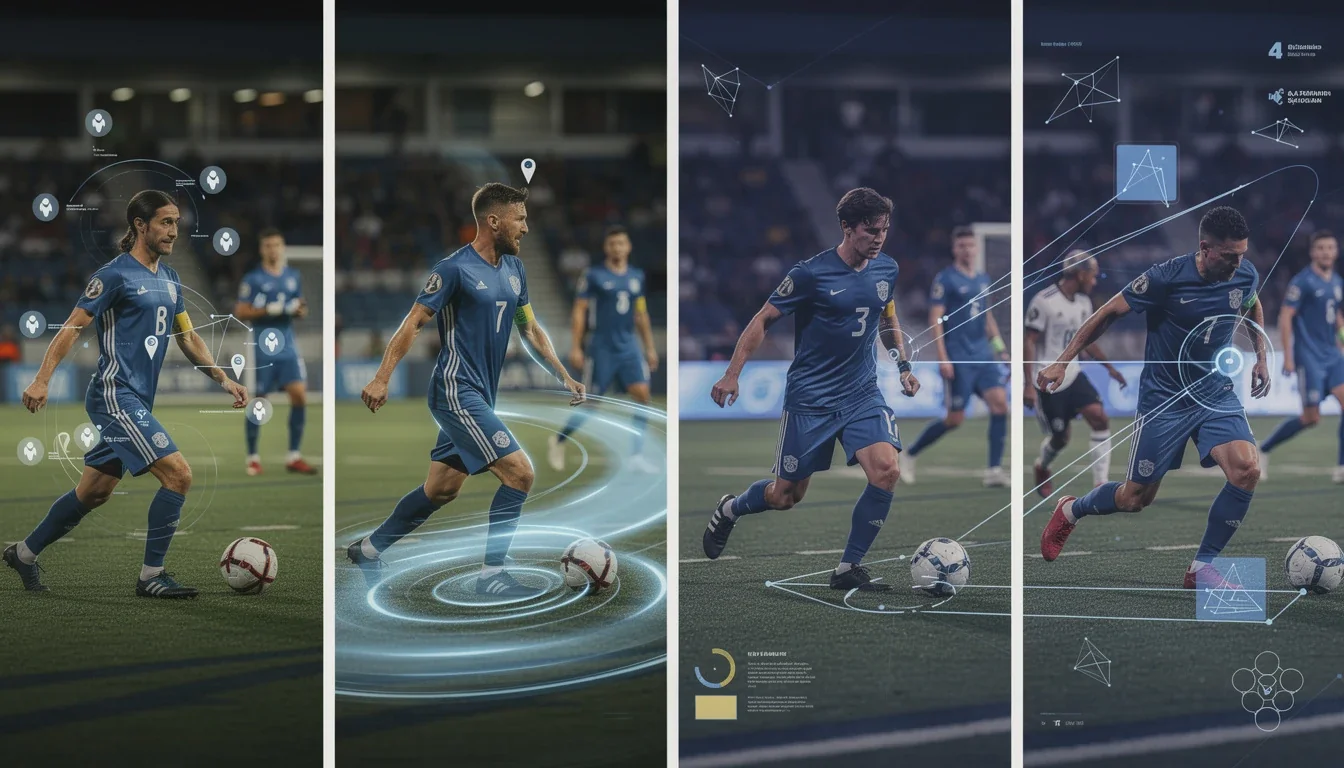
Numbers tell part of the story, but video analysis bridges the gap between data and real-world decision making. Top NCAA programs have invested in platforms that sync match footage with event data, allowing coaches and players to break down every touch, pass, and movement in context.
A midfielder can sit down post-match and see not just where they completed passes, but why certain options were better than others. This feedback loop accelerates learning and development, helping players internalize good habits and correct mistakes.
For coaches, video analysis is indispensable for scouting opponents and preparing tactical adjustments. Seeing how an opposing midfield operates—where they’re strong, where they’re vulnerable—can shape a game plan and influence lineup decisions.
Pro tip: Make it a habit to review your own clips and those of elite midfielders. Pause, rewind, and ask yourself: “What were my options? Did I make the best choice?” This active learning process pays huge dividends.
Recruitment: Selling Yourself With Data
The NCAA recruiting landscape is more competitive than ever. Coaches receive hundreds of highlight reels and scouting reports—but what makes a midfielder stand out? Increasingly, it’s the ability to present oneself with credible, relevant data.
If you’re an aspiring college midfielder, don’t just send a list of goals and assists. Include your pass completion rates, key passes per game, and defensive actions. Show evidence of your decision-making ability, especially in big matches or against top opposition.
For coaches, data-driven tools streamline the evaluation process. Instead of relying on one-off performances or word of mouth, they can cross-reference a recruit’s numbers with those of current players and team needs. This reduces risk and increases the chance of finding the right tactical fit.
Pro tip: When communicating with college coaches, add a short data summary to your emails: “In my last season, I averaged 87% pass completion and completed 15 progressive passes per 90 minutes.” It speaks volumes about your understanding of the modern game.
In-Game Adjustments and Real-Time Feedback
One of the most exciting developments in NCAA soccer is the rise of real-time data feedback. With wearable technology and live analysis, coaching staffs can now make informed adjustments during matches—not just at halftime or after the final whistle.
Suppose a midfielder’s positional heatmap shows they’re drifting too wide, leaving a gap in central areas. Coaches can communicate this quickly and ask for tactical discipline. If the data reveals a drop in pass completion under pressure, maybe it’s time to tweak the midfield shape or bring on fresh legs.
This kind of feedback loop empowers players to self-correct and adapt, making the team more responsive and resilient in high-pressure moments.
Pro tip: Use halftime and water breaks not just to recover, but to ask for specific feedback. “How’s my positioning?” or “Are my passes breaking lines?” Show that you’re invested in using data to improve in real time.
Building a Data Culture in College Programs
For all the technology and analytics available, the biggest challenge is building a culture that values and understands data. It’s not enough to have spreadsheets and fancy dashboards. Coaches need to translate insights into actionable advice, and players must learn to trust and apply what the numbers reveal.
The best NCAA programs foster open dialogue about data. Video sessions are interactive, not lectures. Statistics are used to set goals and measure progress, not just to criticize. When everyone—from starters to reserves—buys into a data-driven approach, the team grows to gether.
At the same time, it’s crucial not to lose sight of the human side of the game. Data should inform intuition, not replace it. The final pass, the decisive tackle, the game-changing run: these moments are still made by players who read the game, trust their instincts, and play with heart.
Pro tip: Encourage teammates to talk about stats and game footage, but always bring it back to what you’re seeing and feeling on the field. Balance is the secret weapon.
Related Articles
Conclusion
The future of NCAA midfield play belongs to those who embrace data-driven decision making. Whether you’re an aspiring recruit, a current player, or a coach looking to sharpen your team’s edge, understanding and applying these insights can set you apart. Learn the metrics that matter, make video analysis your ally, and never stop asking how you can make smarter choices on and off the ball. At College Touchline, we believe the game is only getting smarter—and the midfield is leading the way.