 By
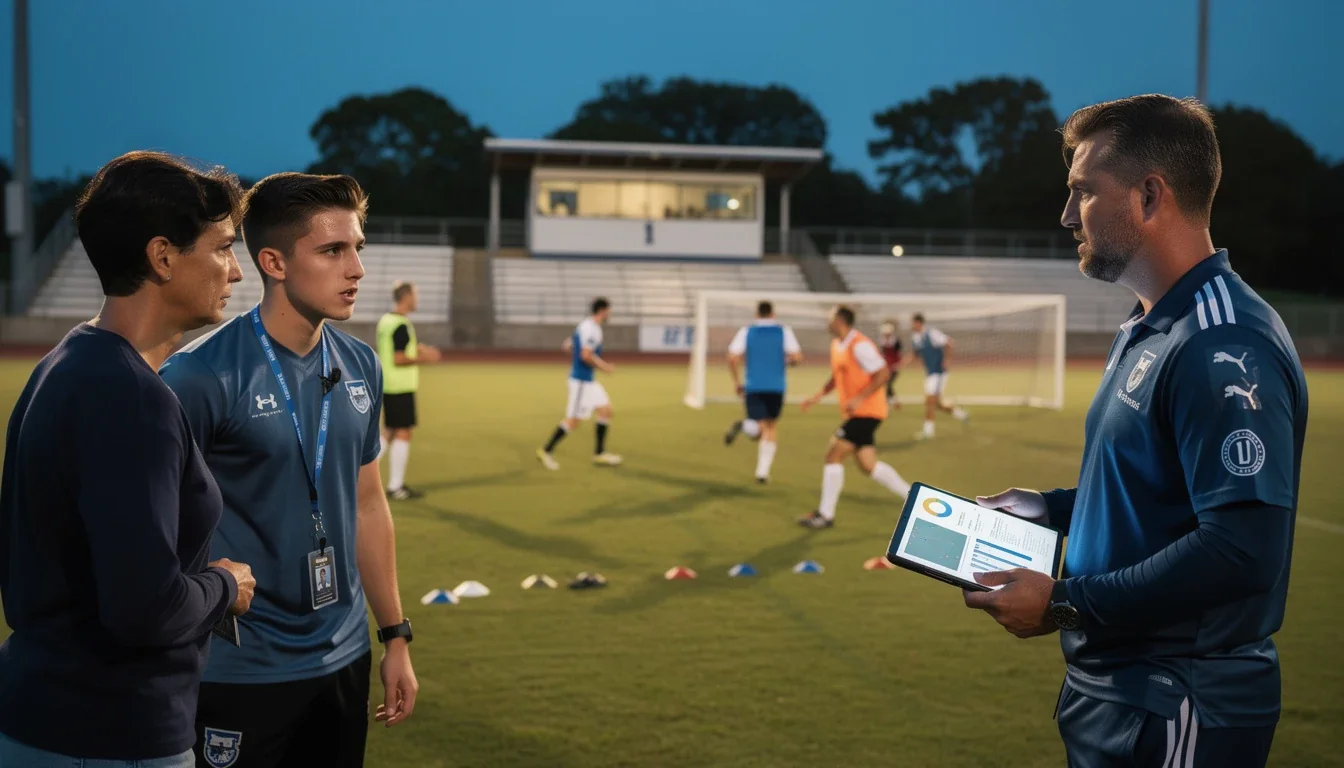
ByWhen most people think of NCAA Division 1 soccer, powerhouse programs with massive budgets and national profiles come to mind. But beneath the surface, hundreds of smaller D1 programs are quietly shaping the landscape — and their success often hinges on the quality and creativity of their recruiting pipelines. At College Touchline, we know that understanding how these pipelines are built, maintained, and optimized can be the difference between a team that perennially rebuilds and one that consistently contends. Whether you're a coach looking to sharpen your edge, a player seeking the right fit, or a fan curious about what makes smaller programs tick, this deep dive will shed light on the tactical and strategic nuances of D1 soccer recruiting beyond the bluebloods.
The Unique Challenge for Smaller D1 Programs
Smaller D1 programs operate in a fundamentally different recruiting ecosystem than their higher-profile peers. The big names lure top prospects with legacy, facilities, and national exposure. For smaller programs, the pitch is less about prestige and more about opportunity, development, and community. Coaches face a constant uphill battle: limited budgets, fewer scholarships, and a need to uncover hidden gems before the competition does.
Instead of chasing the same five-star recruits as the perennial top 25, these programs look for athletes with upside — technical players who might be overlooked due to geography, late physical maturation, or playing for lesser-known clubs and academies. This means casting a much wider net, maintaining strong relationships with club and high school coaches, and being willing to take calculated risks on players who haven’t peaked yet.
Pro tip: Consistency matters. Get your staff on the road regularly and make sure your presence is felt at showcases and tournaments where bigger programs may not bother to look.
Building Relationships: The Heart of the Pipeline
If there’s a secret sauce to recruiting at the smaller D1 level, it’s relationships. While big schools may rely on brand recognition, smaller programs have to build credibility over time with coaches, parents, and players. This means more phone calls, more personalized visits, and a genuine investment in the success of each recruit — on and off the pitch.
A successful recruiting pipeline is built on trust. Coaches need to know which club directors and trainers consistently produce players who can compete at the D1 level, and they need to maintain open, honest lines of communication. This extends beyond the initial recruitment phase; keeping alumni and former recruits engaged can yield future leads and recommendations.
The best pipelines often come from regions or clubs where the program has a long-standing presence. Over time, this creates a virtuous cycle: as more players from a particular area find success at the school, future prospects see a proven path and are more likely to consider the program seriously.
Pro tip: Don’t be afraid to invest extra time with a club or high school coach who’s sent you strong players in the past — these relationships can deliver game-changing recruits for years to come.
Scouting Smarter: Finding Hidden Gems
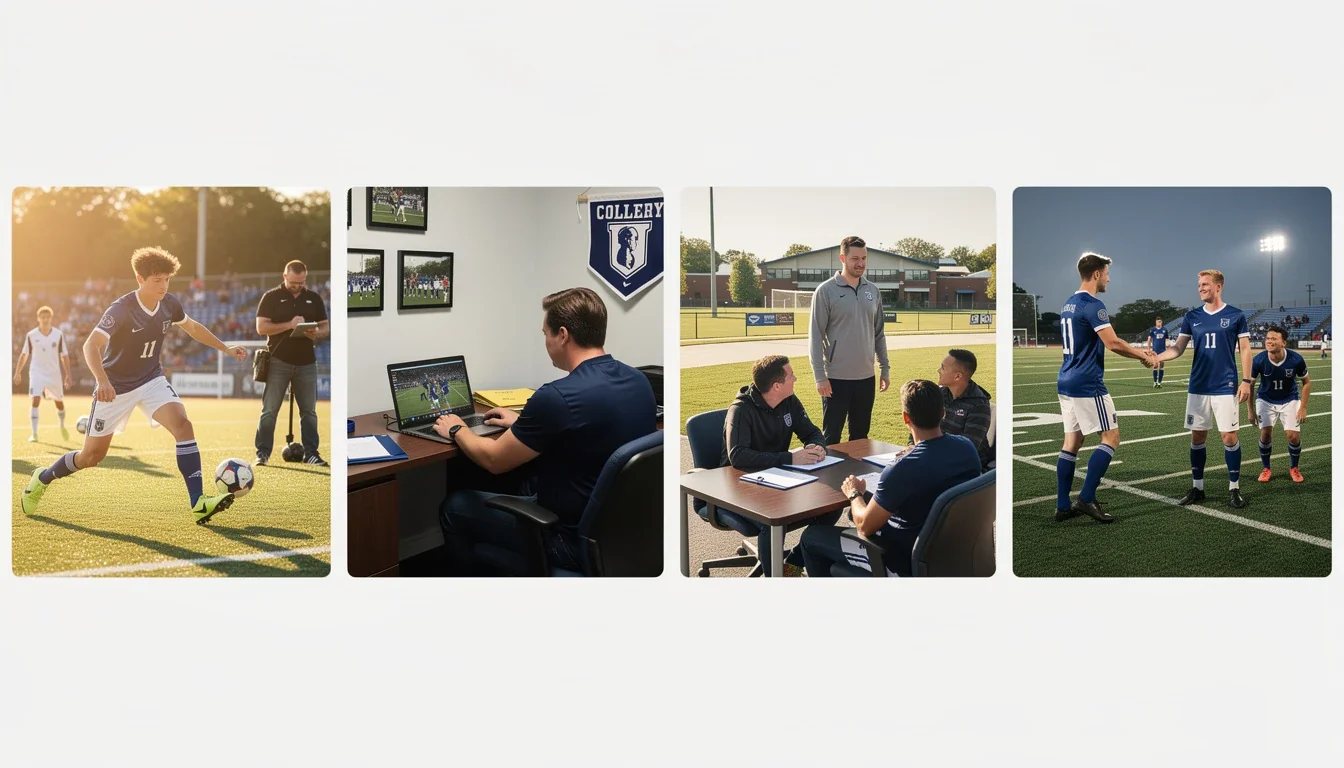
If you’re not outspending the competition, you need to outwork and outthink them. Smaller D1 coaches have to be relentless in their search for talent, often looking in places that others overlook. This might mean attending small regional tournaments, watching late bloomers develop over several seasons, or digging deep into the transfer portal for players seeking a fresh start.
Video analysis has become a critical tool — both for evaluating potential recruits and for identifying skill sets that fit a program’s tactical philosophy. Coaches should have a clear sense of what kind of player thrives in their system and filter prospects accordingly. Sometimes, a player’s raw stats don’t tell the full story. It’s about reading between the lines: does a midfielder have the vision and work rate to play in a high-pressing scheme? Can a forward create separation against top defenders, even if they don’t rack up double-digit goals?
Don’t underestimate the value of international recruiting, either. Smaller D1 programs can sometimes scoop up talented players from abroad who slip through the cracks of larger schools’ networks, especially in countries where the college route is less common.
Pro tip: Make a habit of watching full games, not just highlight reels. You’ll learn far more about a prospect’s decision-making, movement, and resilience when things aren’t going perfectly.
Player Development: Selling the Pathway
Recruiting is only half the battle. For smaller D1 programs, the ability to develop players is critical — and it’s also a powerful selling point. Talented prospects want to know they’ll get meaningful minutes, real coaching, and a chance to progress. Unlike the big schools, where freshmen may ride the bench for years, smaller programs can offer a more direct pathway to the starting lineup and leadership roles.
This means coaches should be able to point to clear success stories: players who arrived as under-the-radar recruits and left as all-conference performers, professional signees, or team captains. The more tangible these examples, the more compelling the pitch becomes.
A strong development culture also fosters internal recruiting. Current players who feel invested in the program are more likely to recommend it to friends, siblings, and former teammates, further strengthening the pipeline over time.
Pro tip: Regularly update your recruiting materials with case studies and testimonials from recent graduates. Authentic, relatable stories are more persuasive than any statistic.
Navigating the Transfer Portal
The transfer portal has transformed college soccer recruiting across all levels, and for smaller D1 programs, it’s both a challenge and an opportunity. On the one hand, talented players who aren’t getting minutes at bigger schools are now more accessible than ever. On the other, there’s increased risk of losing your own standouts to programs with more resources.
The key is to be proactive and transparent. Coaches who keep honest lines of communication open with their players are less likely to be blindsided by a transfer request. At the same time, scouring the portal for the right fit — academically, athletically, and culturally — can yield immediate-impact players who might have been off-limits in the traditional recruiting landscape.
It's vital to move quickly. The best fits in the portal often commit within days or even hours, so having a clear sense of your roster needs and a straightforward evaluation process is essential.
Pro tip: Build a network of contacts not just among high school and club coaches, but also at other colleges. Honest feedback about a player’s fit and character can make all the difference in a crowded transfer market.
The Long Game: Sustaining and Evolving Pipelines
Recruiting isn’t a one-and-done process. For smaller D1 programs, sustaining a productive pipeline requires constant attention and adaptability. The soccer landscape changes rapidly — club affiliations shift, youth development models evolve, and the transfer portal rewrites the rules every year.
Smart programs routinely reassess their recruiting territories, partner with new clubs, and adapt their pitch as their own profile grows. What worked five years ago may not work today, especially as competition for overlooked talent intensifies.
Staying ahead means tracking your own results: Which regions, clubs, or types of players have yielded your best contributors? Where have you missed out — and why? Data-driven self-scouting can help refine your approach year after year.
And don’t forget the human element. The best pipelines are built on integrity, genuine care for players’ growth, and an authentic connection to the program’s mission. When recruits — and their coaches — know they can trust you, the rest tends to fall into place.
Pro tip: Schedule regular “pipeline audits” with your staff. Review where your current roster came from, which relationships need rekindling, and where fresh opportunities might be emerging.
Related Articles
Conclusion
Smaller D1 soccer programs may never dominate the headlines, but behind the scenes, they’re engaged in some of the most creative and strategic recruiting battles in college sports. Building a winning pipeline isn’t about chasing stars — it’s about vision, relationships, and a relentless commitment to finding and developing the right talent. For coaches, players, and fans alike, understanding these dynamics is crucial to navigating the ever-shifting world of college soccer. At College Touchline, we believe the future belongs to those who master the art and science of the pipeline — and we’ll be here to break down every step of the journey.