 By
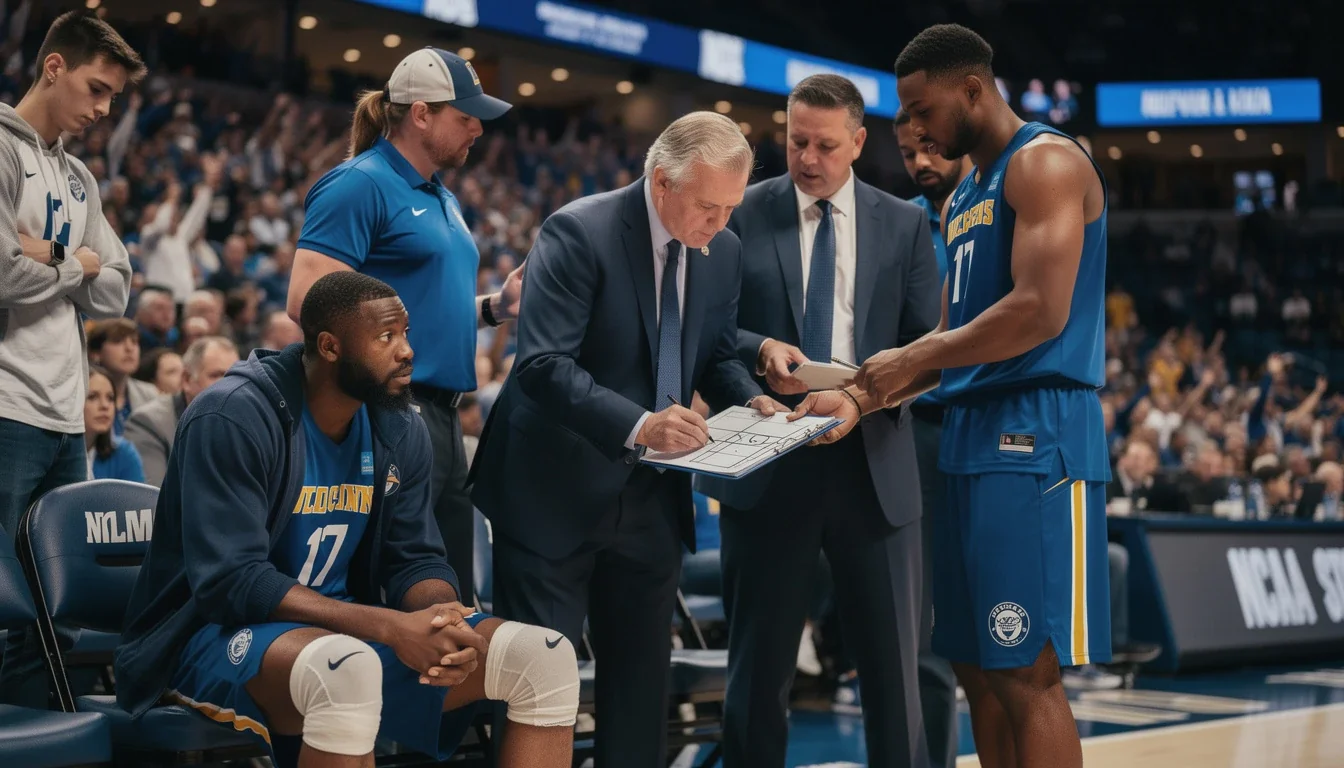
ByCollege soccer never pauses for adversity. When injuries strike mid-season, NCAA Division 1 coaches are forced into rapid adaptation—shifting strategies, adjusting lineups, and sometimes reinventing their entire tactical approach on the fly. It’s a crucible that tests not just the depth of a squad, but the creativity and resilience of every player and coach involved. At College Touchline, we dive deep into the tactical implications of these unexpected setbacks, helping serious players, coaches, and fans understand how injuries shape the chessboard of college soccer.
When Key Players Go Down
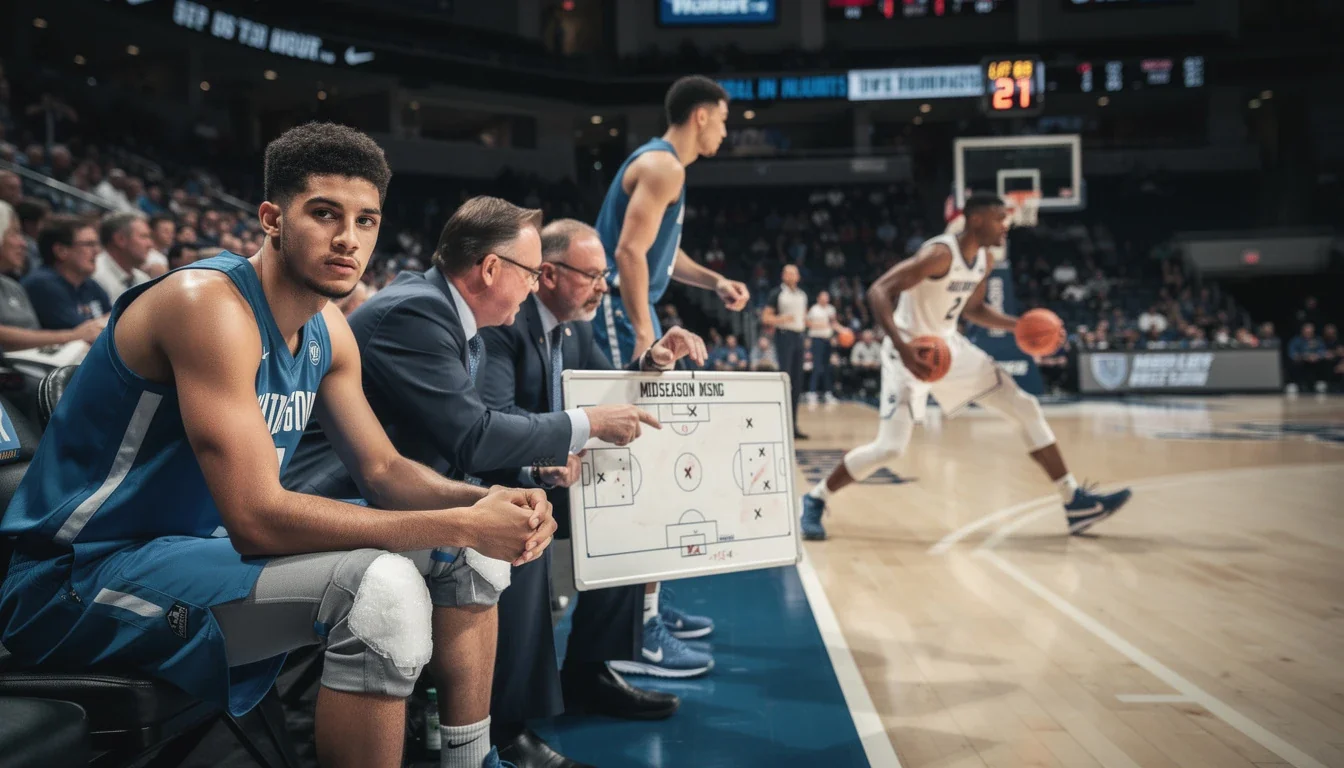
The loss of a starting player—whether a creative midfielder, a dominant center-back, or a prolific striker—immediately alters the tactical landscape. NCAA teams often lack the squad depth of their professional counterparts, so a single injury can have an outsized impact. Coaches must weigh whether to slot in the next player up, adjust the system to fit available strengths, or even abandon their preferred formation alto gether.
For example, if a team loses its central playmaker, the entire attacking dynamic can shift. The coach may opt for a double pivot in midfield, seeking more defensive solidity, or push a winger inside to fill the creative void. The choice depends on the skill sets available and the tactical philosophy of the coaching staff.
Pro tip: Coaches should always have contingency plans mapped out before the season begins, identifying which players can adapt to multiple roles in case of injury.
Tactical Adjustments After Injuries
Mid-season injuries force coaches to make tough calls—do they maintain their tactical identity, or morph into something new? Some common tactical adjustments include:
Formation Changes: Losing a key defender might prompt a switch from a back four to a back three, allowing the team to pack midfield and control possession more effectively. Conversely, the loss of a striker might necessitate a move to a false nine or a more compact 4-5-1, focusing on defensive organization and counter-attacks.
Role Redefinition: Coaches will often ask versatile players to take on new responsibilities. A box-to-box midfielder could be tasked with more defensive duties, or a winger might be asked to play centrally. These shifts can unlock new strengths or expose weaknesses, depending on the player's adaptability.
Game Management: Injuries can also affect substitution patterns and in-game tactics. Coaches might become more conservative, using earlier substitutions to avoid fatigue and further injuries, or they might gamble on aggressive pressing to catch opponents off guard.
Pro tip: Versatility is a crucial trait for NCAA recruits; players who can perform in multiple positions are far more valuable when injuries hit.
Impact on Recruiting and Player Development
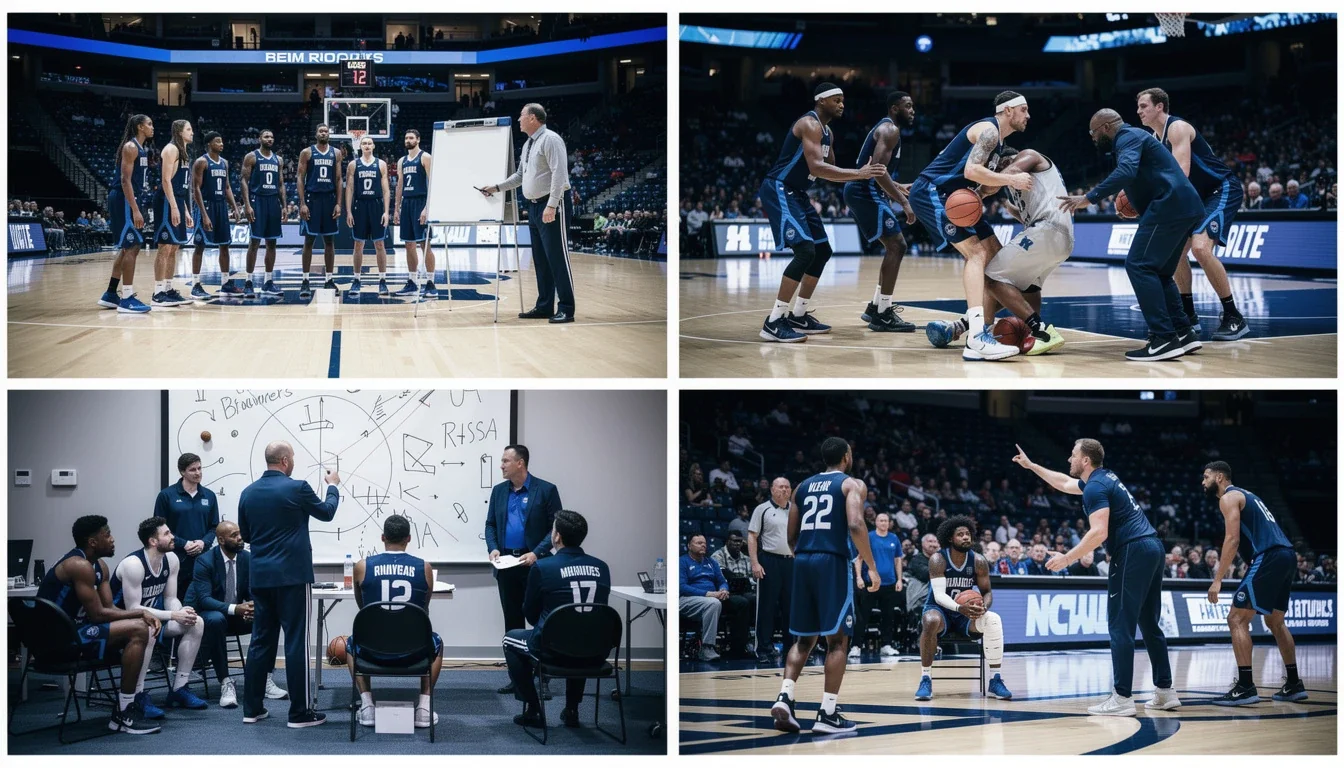
The ripple effects of mid-season injuries go beyond the current campaign. Coaches learn quickly where their squad lacks depth, which informs both immediate recruiting priorities and long-term player development plans. Injuries expose the gaps—sometimes painfully—forcing staff to reassess the balance between experience and youth, athleticism and technical skill.
For recruits, this is an opportunity. Coaches often turn to younger or less experienced players when injuries mount, accelerating their development and giving them invaluable minutes under pressure. This trial by fire can reveal hidden gems who might have otherwise remained on the bench.
From a recruiting standpoint, coaches place increasing value on players who've demonstrated resilience and adaptability. Those who've stepped into unfamiliar roles due to team needs show a maturity and tactical understanding that stands out during transfer portal evaluations and high-stakes recruiting battles.
Pro tip: When communicating with college coaches, highlight not just your primary position, but any experience you have filling in elsewhere. Coaches are always looking for flexible problem-solvers.
Psychological and Leadership Dynamics
Injuries don’t just disrupt X’s and O’s—they challenge the mental fabric of a team. Losing a captain or emotional leader mid-season can shake a locker room’s confidence, forcing new voices to emerge. Coaches must manage not just tactical shifts, but the emotional response that comes with adversity.
Teams that respond positively to setbacks often do so because leaders step up, rallying teammates and keeping standards high. These intangible qualities—resilience, communication, and accountability—become just as important as tactical tweaks. Coaches may deliberately assign leadership roles to new players, helping to stabilize the team and maintain a winning mentality.
Pro tip: If you’re an upperclassman or experienced player, embrace extra leadership responsibilities when injuries strike. The ability to keep teammates focused and motivated is invaluable to coaches and scouts alike.
Training Methodologies and Injury Prevention
Mid-season injuries often spark a re-evaluation of training intensity, recovery protocols, and injury prevention strategies. Coaches may modify session plans to reduce the risk of further injuries, incorporating more recovery days, lighter tactical walkthroughs, or targeted strength and conditioning work.
At the NCAA level, the condensed season schedule and travel demands make injury prevention a constant concern. Teams with robust sports medicine support and proactive communication between players, coaches, and medical staff are better positioned to minimize downtime. When injuries do occur, a rapid and well-coordinated response can reduce the impact on both individual careers and team performance.
Pro tip: Players should be proactive in reporting minor knocks or fatigue. Early intervention is critical—don’t wait for a small issue to become a season-ending injury.
Case Studies: Tactical Evolution Under Pressure
Let’s look at real-world scenarios that showcase how NCAA teams have adapted when key players went down:
**2019 Georgetown Men’s Soccer:** Early in the season, Georgetown lost a starting center-back to injury. Rather than panic, the coaching staff shifted a defensive midfielder into the back line, preserving their possession-based style. The adjustment added extra ball-playing ability to the defense and ultimately contributed to their national championship run.
2022 Florida State Women’s Soccer: When their leading scorer suffered a mid-season injury, Florida State didn’t simply try to replace her goals. Instead, they restructured their attack, emphasizing wide play and late runs from midfield. The tactical shift kept opponents guessing and maintained their offensive output.
These examples highlight a key lesson: the best NCAA coaches treat mid-season injuries not just as obstacles, but as catalysts for tactical evolution. The willingness to experiment—and the ability to communicate these changes clearly to players—often separates good teams from great ones.
Pro tip: Study successful programs that have thrived despite injury setbacks. Analyze their tactical adaptations for ideas you can apply to your own team or development.
Conclusion
Mid-season injuries are an inevitable part of college soccer. Their impact ripples through every aspect of a program, from tactics and training to recruitment and leadership. The teams and players who handle these challenges with resilience, creativity, and flexibility don’t just survive—they often emerge stronger and more unified.
At College Touchline, we believe that understanding the tactical nuances of injury adaptation is essential for aspiring NCAA players, coaches, and serious fans. Whether you’re drawing up contingency plans, seeking out versatile recruits, or stepping into a new role yourself, the ability to adapt is the hallmark of championship-caliber college soccer. Stay prepared, stay positive, and remember: every setback is a chance to evolve.