 By
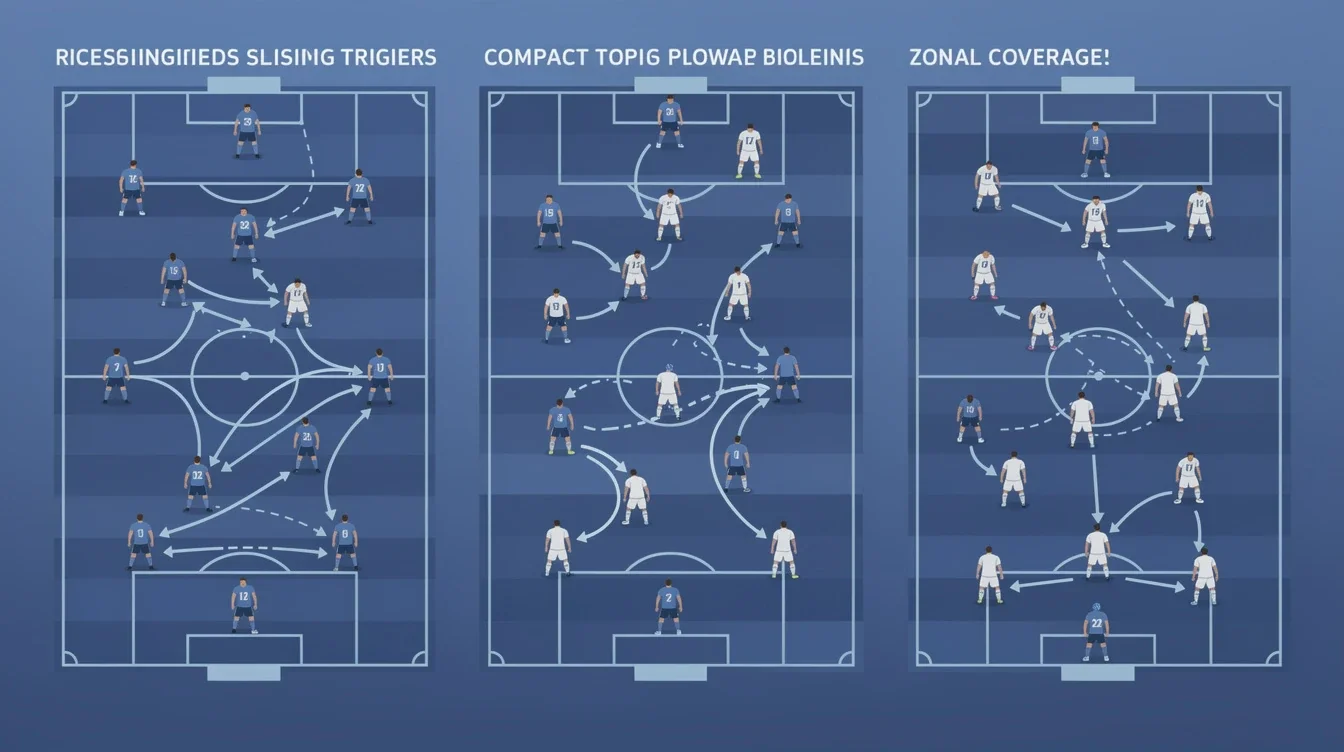
ByWhen you think of NCAA Division 1 soccer, powerhouse programs and attacking flair often get the spotlight—but defense wins games, championships, and, more importantly, respect. Rice University’s women’s soccer team has quietly built a reputation for defensive solidity in the Conference USA landscape. If you’re a player, coach, or serious fan looking to understand the tactical nuances behind Rice’s success, you’re in the right place. In this deep dive, we’ll break down the Owls’ defensive strategy, exploring their tactical structure, pressing triggers, key player roles, and how these elements translate into recruiting value.
Defensive Shape: The Backbone of Stability
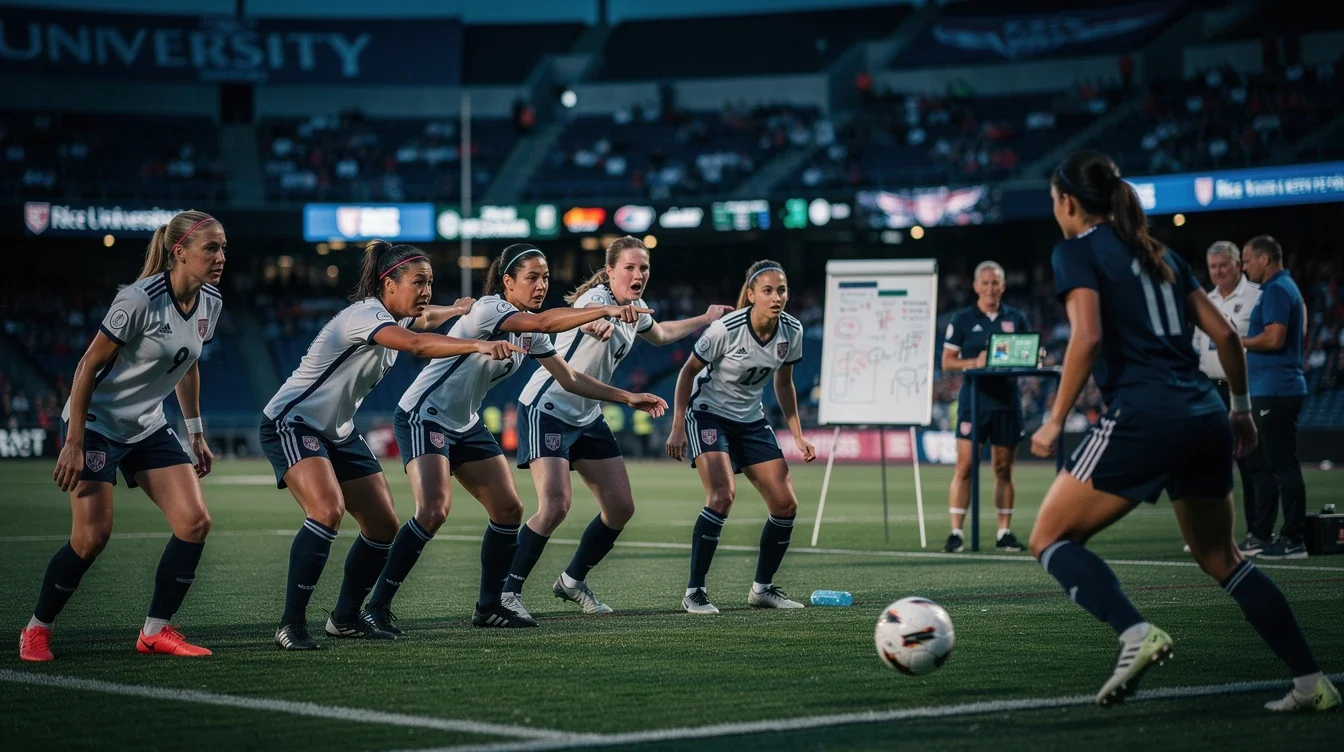
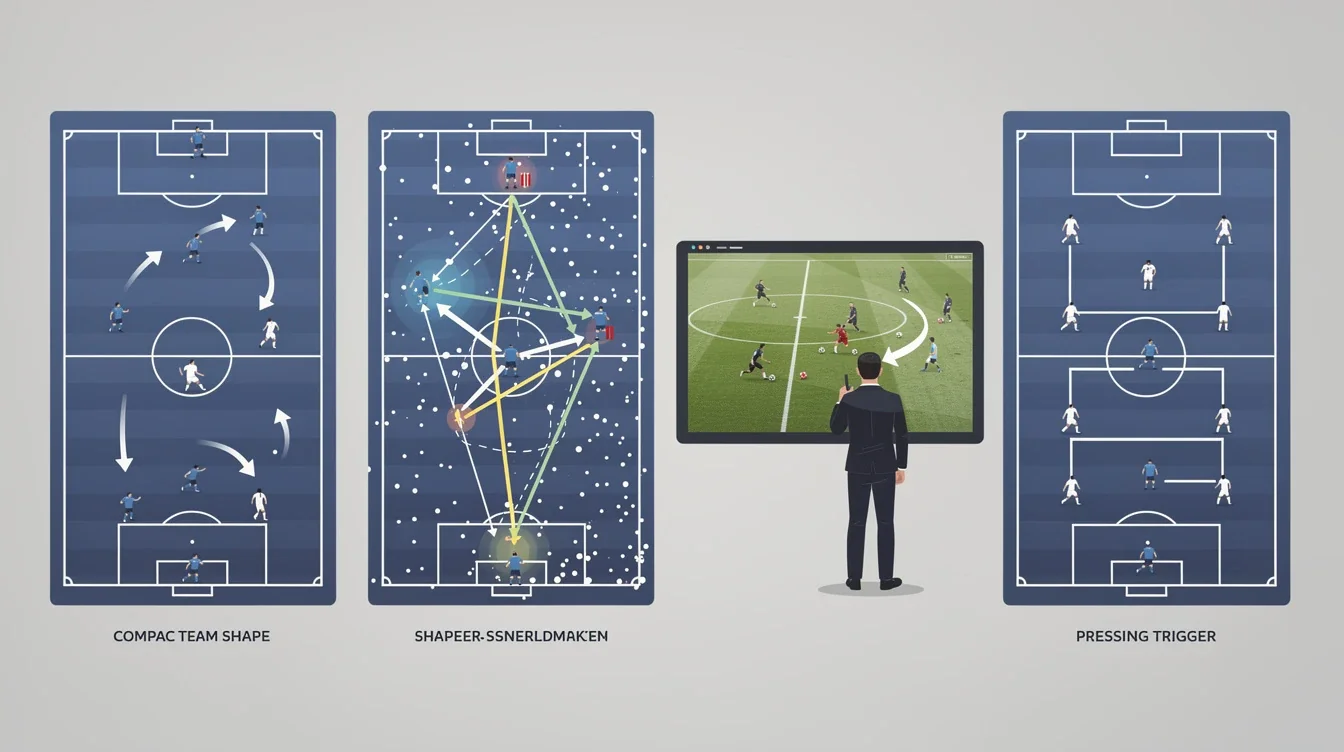
Everything starts with shape. Rice typically sets up in a 4-2-3-1 or a flexible 4-3-3 when defending, focusing on compactness between the lines and intelligent use of space. The back four stays disciplined, rarely caught out of position, while the two holding midfielders act as a screen, cutting out passing lanes and providing cover for fullbacks when they advance.
Rice’s defenders aren’t just ball-winners—they’re organizers. Center backs communicate constantly, shifting the line to maintain cohesion and close gaps. Fullbacks tuck in when needed, preventing overloads and making central penetration difficult for opponents. This compactness forces teams wide, where Rice feels most comfortable defending crosses and exploiting transition opportunities.
Pro tip: Coaches and players should focus on communication and spatial awareness drills to emulate Rice’s disciplined shape. It’s not just about where you are, but how you move to gether.
Pressing Triggers and Counterpress
Rice doesn’t press high up the pitch for 90 minutes, but they’re far from passive. The Owls employ situational pressing, engaging aggressively when the ball enters certain zones or when opponents receive with their back to goal. The key to their press? Triggers.
One common trigger is a poor touch or slow back pass. When this happens, the nearest forward or attacking midfielder initiates the press, with midfielders stepping up to cut off options. The goal isn’t always to win the ball immediately, but to force hurried decisions, long balls, or mistakes that can be capitalized on.
After losing possession, Rice’s immediate counterpress is notable. Rather than dropping off, the nearest three or four players swarm the ball carrier, aiming to regain possession before the opponent can launch a counterattack. This aggressive response often leads to turnovers in dangerous areas or at least disrupts the opposition’s rhythm.
Pro tip: Practice quick transition scenarios in training—switch from attack to defense and vice versa at game speed to develop your team’s counterpressing instincts.
Individual Roles and Defensive Partnerships
Strategy is nothing without execution—and execution relies on players understanding their roles. Rice’s defensive midfielders are often unsung heroes. They must read play, anticipate passing lanes, and have the stamina to cover ground, supporting both the backline and the attack.
The center back partnership is crucial. One typically acts as a stopper, stepping up to challenge forwards, while the other sweeps behind, covering space and organizing the line. Fullbacks are expected to be versatile: adept at 1v1 defending, but also capable of joining the attack when the opportunity arises.
Communication and trust are the glue holding these partnerships to gether. Rice’s defenders constantly talk—calling out runners, alerting teammates to switches of play, and instructing midfielders on when to drop or press.
Pro tip: If you’re looking to get recruited as a defender, showcase your communication skills and tactical understanding in highlight videos—not just your tackles and clearances.
Defensive Transitions and Recovery
Transition moments—when the ball is lost or won—are where games are often decided. Rice’s discipline shines in these scenarios. Upon losing possession, their first instinct is to delay the opponent, not dive in. This “delay and recover” approach gives teammates time to get back into shape.
The holding midfielders drop in quickly, filling gaps and preventing central counterattacks. Fullbacks sprint back to goal-side positions, and the center backs organize the retreat, ensuring no one’s left isolated. The team prioritizes compactness over immediate ball recovery, which prevents gaps and limits breakaway chances.
When Rice wins the ball, the focus shifts to controlled possession, rather than rushing forward recklessly. This patience allows them to reset and attack with numbers, while minimizing the risk of being caught out themselves.
Pro tip: Train your team’s defensive transition by emphasizing delay and shape recovery before ball recovery. It’s better to concede space wide than in central, dangerous areas.
Set Piece Defense: Organization and Mentality
Set pieces can be a team’s undoing if not handled with discipline. Rice’s approach is a blend of zonal and man-marking, depending on the opponent and situation. In corners and free-kicks, the Owls use their tallest and most aggressive defenders to protect the six-yard box, while midfielders are tasked with blocking runners and clearing second balls.
Communication is again vital—players are assigned specific zones or men, and the goalkeeper acts as a vocal leader, calling out threats and organizing the wall or line. Rice’s defenders stay alert for short corners or creative set plays, refusing to switch off even for a second.
Mentality matters just as much as tactics. Rice’s defenders take pride in “winning their box,” treating every set piece as a battle to be won. This mindset, combined with coordination, makes them difficult to break down on dead balls.
Pro tip: Don’t neglect set piece organization in your own team’s training. Walk through different scenarios, assign clear roles, and rehearse your communication routines.
Recruiting Implications: What Coaches Look For
Rice’s defensive excellence isn’t accidental—it’s the result of recruiting smart, tactically disciplined players who are coachable and competitive. For prospective recruits, understanding what Rice and similar programs value is essential.
Coaches look for defenders with high soccer IQ, not just physical attributes. Can you read play, organize teammates, and make quick decisions under pressure? Are you comfortable stepping into midfield or covering wide areas? Do you recover quickly after mistakes and stay focused in transition? These are the questions Rice’s coaching staff asks when evaluating talent.
For midfielders, versatility is key. The ability to play both as a destroyer and a playmaker, to cover ground and shield the backline, is highly prized. Communication and leadership qualities—often overlooked—can set you apart from equally skilled competitors.
Pro tip: When reaching out to college coaches or building your recruiting profile, highlight examples of your tactical awareness, leadership, and adaptability—not just your athleticism.
Conclusion
Rice University’s defensive strategy is a masterclass in modern college soccer: disciplined, organized, and adaptable. From their compact shape and intelligent pressing triggers to their transition discipline and set piece organization, the Owls exemplify what it takes to succeed at the Division 1 level. For players aspiring to compete at this level, understanding and embracing these defensive principles can be the difference between standing out and blending in.
If you’re a coach, player, or fan, take a page from Rice’s playbook: defense isn’t just about stopping goals—it’s about building a foundation for every success your team achieves. At College Touchline, we’ll keep bringing you the deep tactical insights you need to reach the next level.