 By
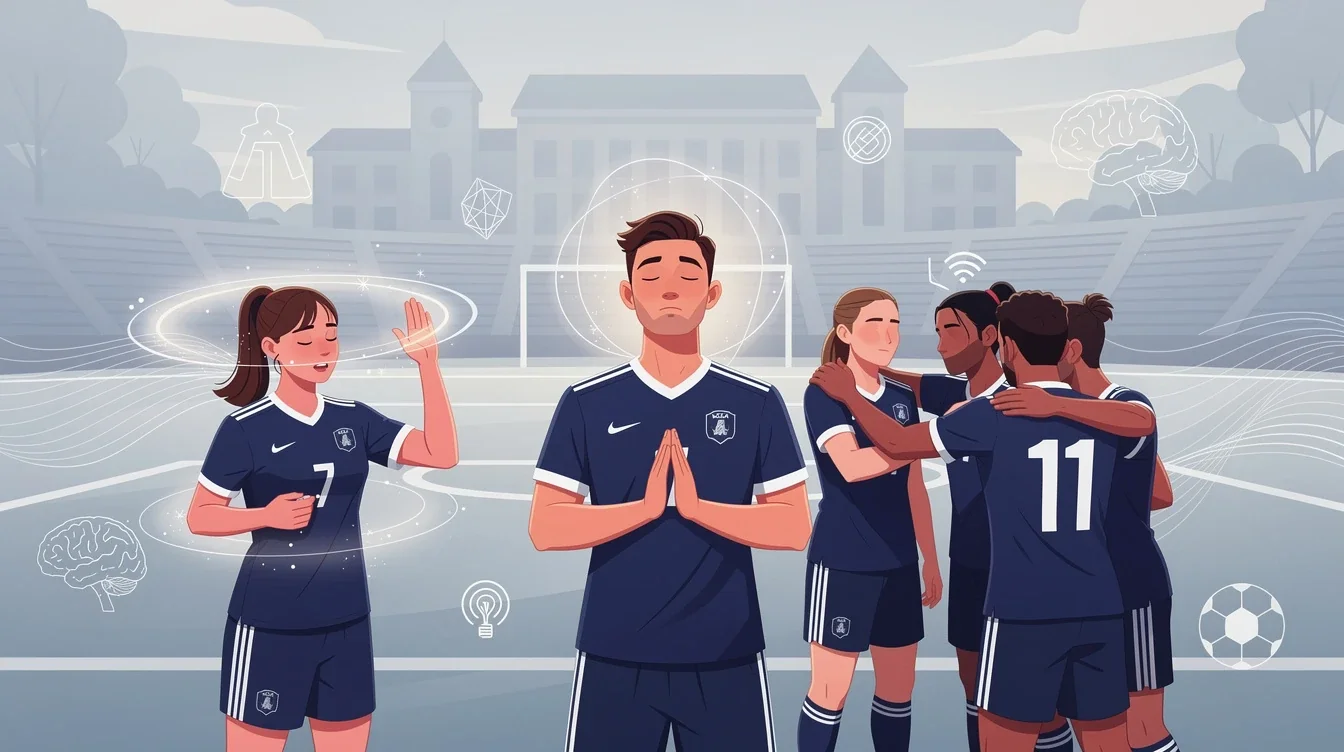
ByEvery season, NCAA Division 1 soccer showcases not just incredible athleticism, but also the mental toughness of its players and coaches. Whether it’s a last-minute equalizer, the pressure of penalty shootouts, or the grind of balancing academics with athletics, psychological resilience has become as vital as tactical awareness or technical skill. As the demands on student-athletes grow, so does the need for structured psychological resilience training. Let’s break down what resilience really means for college soccer, how programs are integrating mental skills training, and why it’s fast becoming a game-changer for serious NCAA programs.
Understanding Psychological Resilience in Soccer
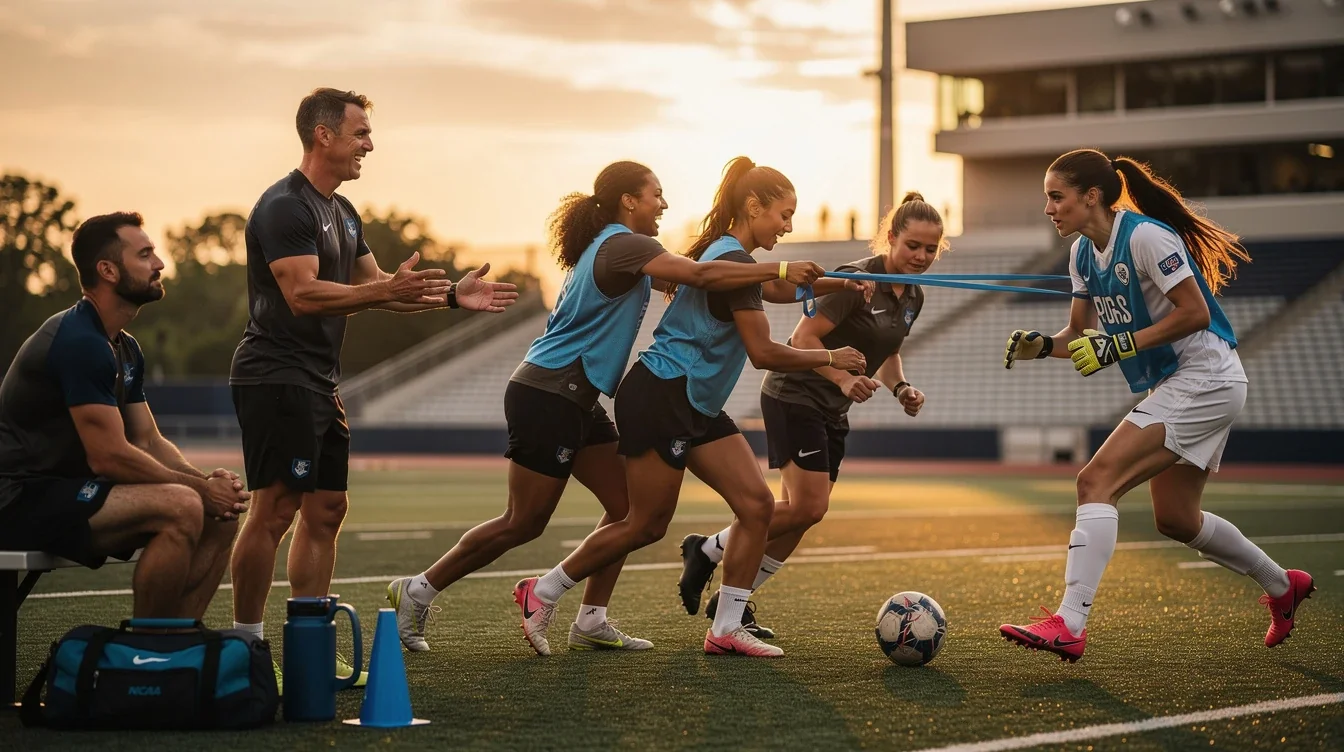
Resilience isn’t just about “toughing it out.” In the context of NCAA soccer, psychological resilience is the capacity to adapt, recover, and thrive when faced with adversity—whether that’s a tough loss, injuries, or the relentless travel schedule of a competitive program. For collegiate athletes, this means bouncing back from setbacks without letting them spiral into performance slumps or burnout.
The science is clear: resilient athletes show greater consistency, recover faster from mistakes, and maintain focus under pressure. Soccer, perhaps more than any other sport, is a game of momentum swings and emotional highs and lows. The NCAA environment amplifies this, with its playoff intensity, high stakes recruitment, and the ever-present pressure to perform for scholarships and future opportunities.
Pro tip: Coaches should take time to define resilience with their squads, using real match scenarios to illustrate what adaptability and grit look like on the pitch.
The Building Blocks of Mental Toughness
So, what actually makes an NCAA player or team resilient? It’s not just about individual willpower. There are several core skills that contribute to psychological resilience:
- Emotional regulation: The ability to manage nerves, frustration, or disappointment during games.
- Positive self-talk: Internal dialogue that builds confidence rather than feeds anxiety or self-doubt.
- Focus and concentration: Staying present, especially in high-pressure moments like penalty shootouts or high-stakes matches.
- Goal-setting: Breaking down long-term aspirations (like reaching the College Cup) into manageable, actionable steps.
- Social support: Leaning on teammates and staff, fostering a culture where setbacks are shared and overcome collectively.
Most NCAA programs are starting to embrace these mental skills as part of their regular training, not just as optional extras or crisis interventions. The best teams embed mental toughness drills into everything from preseason camps to pre-game routines.
Pro tip: Integrate short mental focus exercises at the end of every training session—think visualization or controlled breathing—to reinforce resilience as a daily habit.
Training Tools and Techniques for NCAA Programs
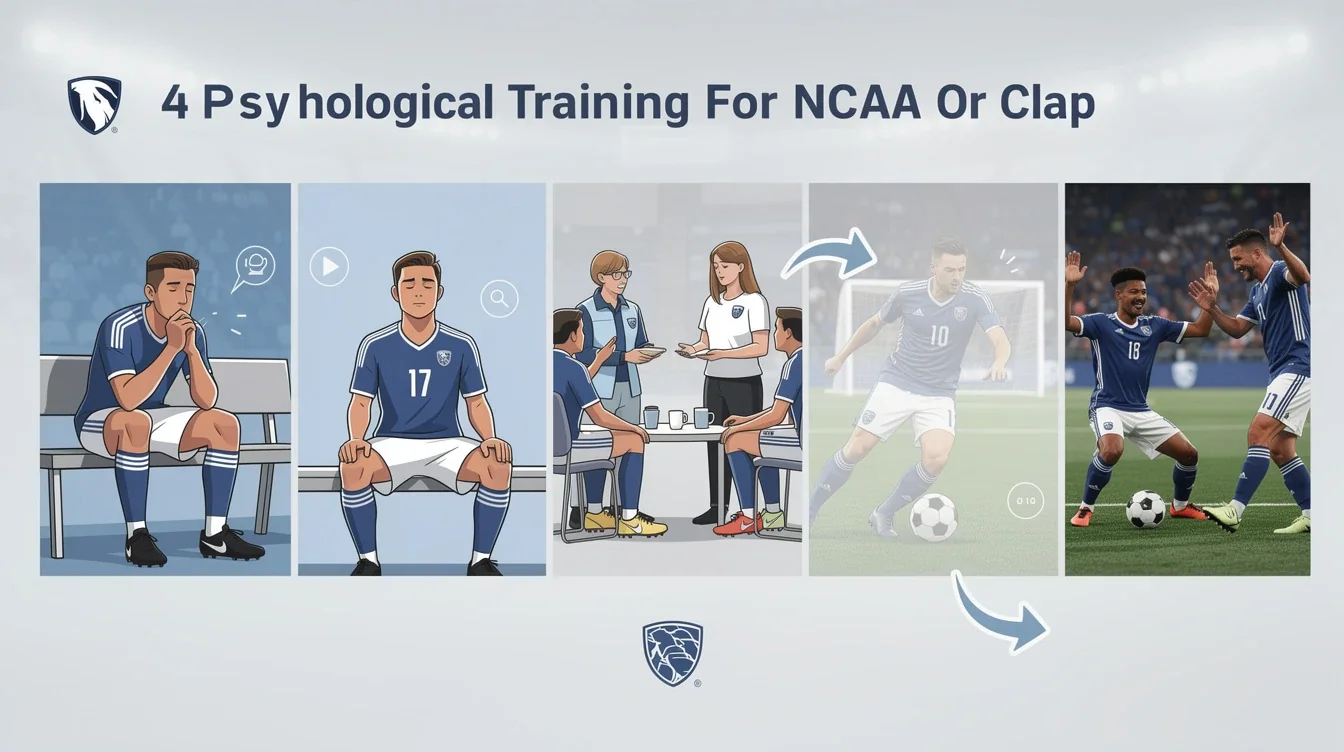
Modern resilience training goes far beyond motivational talks. Today’s top college soccer programs are drawing from sports psychology, neuroscience, and even military training techniques to create structured, evidence-based mental skills programs.
Mindfulness and Meditation: Some programs now use guided meditation or mindfulness sessions to help players manage stress and stay present. These aren’t just for “zen” moments—mindfulness has been shown to improve reaction times, emotional control, and even game-day performance.
Visualization and Imagery: Visualization is a powerful tool for building confidence and preparing for adversity. Players might mentally rehearse taking a penalty or imagine themselves recovering quickly after a mistake. Over time, this mental practice translates to more automatic, effective responses under pressure.
Performance Journaling: Many athletes now use journals to track not just physical goals, but also their mental and emotional states. This self-reflection helps spot patterns, triggers, and opportunities for growth.
Pressure Simulation Drills: Coaches are getting creative, designing training exercises that simulate the emotional and psychological intensity of real games. This might mean recreating hostile away environments, or practicing with artificial “stressors” like time constraints or crowd noise.
Pro tip: Encourage players to keep a simple performance journal—just a few lines after each training or match—focusing on what went well, what was challenging, and how they responded mentally.
The Coach’s Role: Creating a Culture of Resilience
Resilience isn’t just an individual trait—it’s a team culture. Coaches play a huge role in shaping how their squads respond to adversity. The best NCAA coaches foster environments where mistakes are treated as learning opportunities, and where open communication is encouraged.
This means modeling composure during tough games, sharing personal stories of overcoming setbacks, and actively addressing the mental side of the game in team meetings. It also means recognizing when players are struggling and connecting them with professional mental health resources when necessary.
Recruiting is another key touchpoint. Increasingly, coaches look for recruits who display not just technical skill, but real evidence of mental toughness—players who’ve bounced back from injury, led their teams through adversity, or shown grit during high-stress tournaments.
Pro tip: Use video analysis not just for tactics, but to review moments of adversity—discussing how players responded, and where mental resilience made the difference.
Common Challenges and How to Overcome Them
Integrating psychological resilience training isn’t always smooth sailing. Some common challenges include stigma around mental training, lack of time in already packed training schedules, and difficulty measuring progress.
Stigma can be tackled by normalizing mental training as part of overall development—just like strength and conditioning. Coaches and upperclassmen can lead by example, openly discussing their own mental routines and progress.
Time constraints require creativity: mental skills can be woven into warmups, cooldowns, or even video review sessions. The goal isn’t to add another hour to the calendar, but to make resilience training a seamless part of daily life.
Measuring progress is tricky, but not impossible. Coaches can look for improvements in things like response to setbacks, consistency in high-pressure moments, and the ability to stay positive after tough results.
Pro tip: Celebrate mental victories as much as physical ones—call out great examples of bounce-back moments in team meetings to reinforce the value of resilience.
The Competitive Edge: Why Resilience Training Matters
So why invest so much in psychological resilience? The answer is simple: it’s a proven competitive edge. NCAA tournaments are often decided not by skill alone, but by which team can weather adversity and respond under pressure. Teams with strong mental skills are more consistent, less prone to emotional rollercoasters, and better equipped to handle the unique stresses of college soccer.
For individual players, resilience training can mean the difference between thriving and burning out. It’s not just about surviving the demands of NCAA soccer—it’s about unlocking peak performance, both on and off the pitch. And for coaches and programs, it’s a way to build a sustainable culture of excellence, where players are prepared for whatever the game (or life) throws at them.
Pro tip: Make resilience a key pillar of your program’s recruiting pitch—showing recruits and their families that you value mental strength, not just technical skill.
Conclusion
Psychological resilience isn’t just a buzzword in NCAA soccer—it’s fast becoming a foundational skill set, separating good teams from great ones. Whether you’re a player looking to sharpen your mental edge, a coach building a championship culture, or a recruit sizing up your next move, investing in resilience will pay dividends on and off the field. At College Touchline, we’ll keep breaking down the strategies and stories that help you thrive, no matter what challenges come your way.