 By
ByWalk the touchlines of any top NCAA Division 1 women’s soccer match, and you’ll see a midfield unlike any other. It’s a zone of constant motion, shifting shapes, and endless adaptability. Coaches know: the heart of their team is the midfield, and the most successful programs recruit and develop midfielders with tactical versatility as their calling card. In today’s high-stakes, ever-evolving D1 game, midfielders are more than just passers or ball-winners—they’re tactical chameleons, adjusting roles, responsibilities, and even mindsets in real time. Let’s break down what tactical versatility means for women’s D1 soccer midfielders, why it matters, and how players and coaches can maximize this crucial trait.
The Modern Midfielder: More Than Just a Link
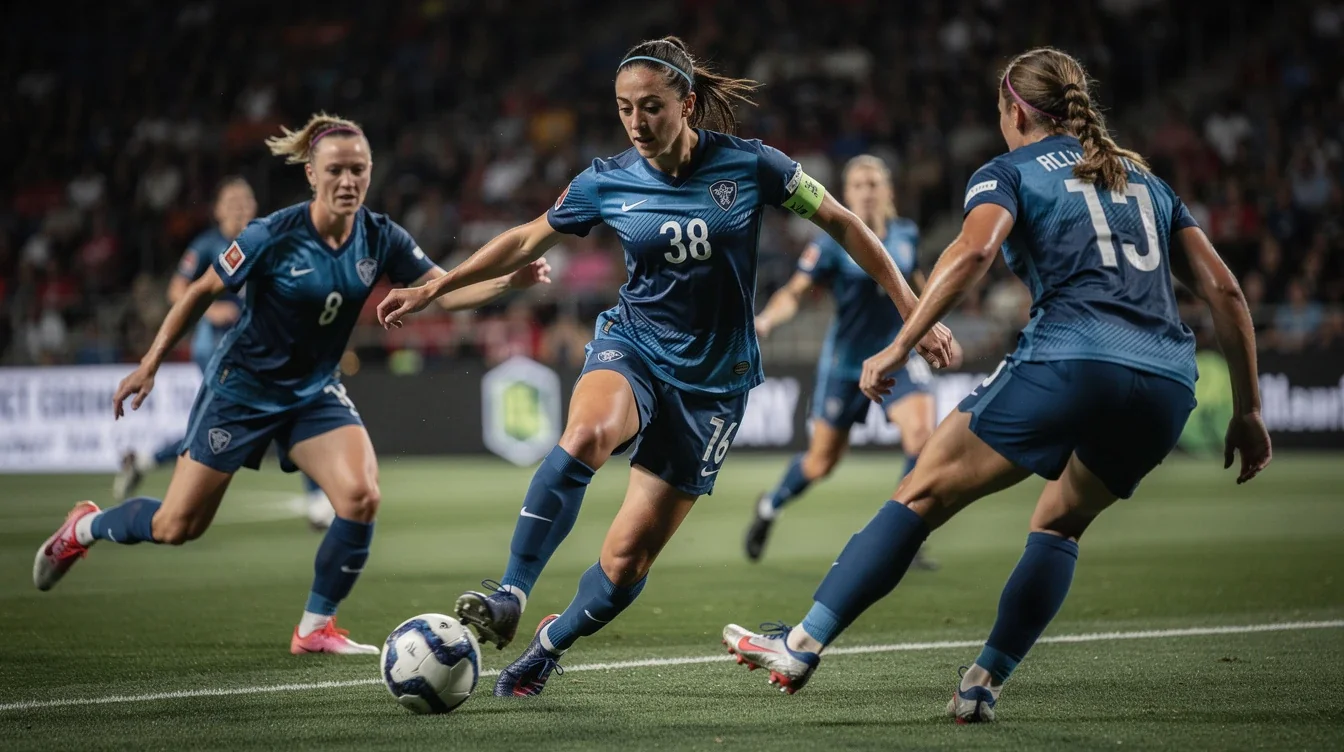
It wasn’t long ago that midfielders were often slotted into rigid roles—defensive anchor, creative playmaker, box-to-box engine. But as the women’s college game has grown in sophistication, so have the demands on midfielders. Today’s top D1 coaches expect their midfielders to seamlessly transition between defending, building play, and supporting attacks, sometimes within the same sequence.
True tactical versatility means being able to adjust your game plan on the fly. That might look like dropping deep to form a back three against a high press, then stepping up as an attacking pivot when in possession. It means reading the flow of the game and understanding your teammates’ tendencies, as well as the opposition’s system.
Pro tip: Want coaches to notice you? Show that you’re not just doing your job, but actively thinking—communicating, covering, and adjusting as play unfolds.
Role Fluidity: Adapting to Shape and Situation
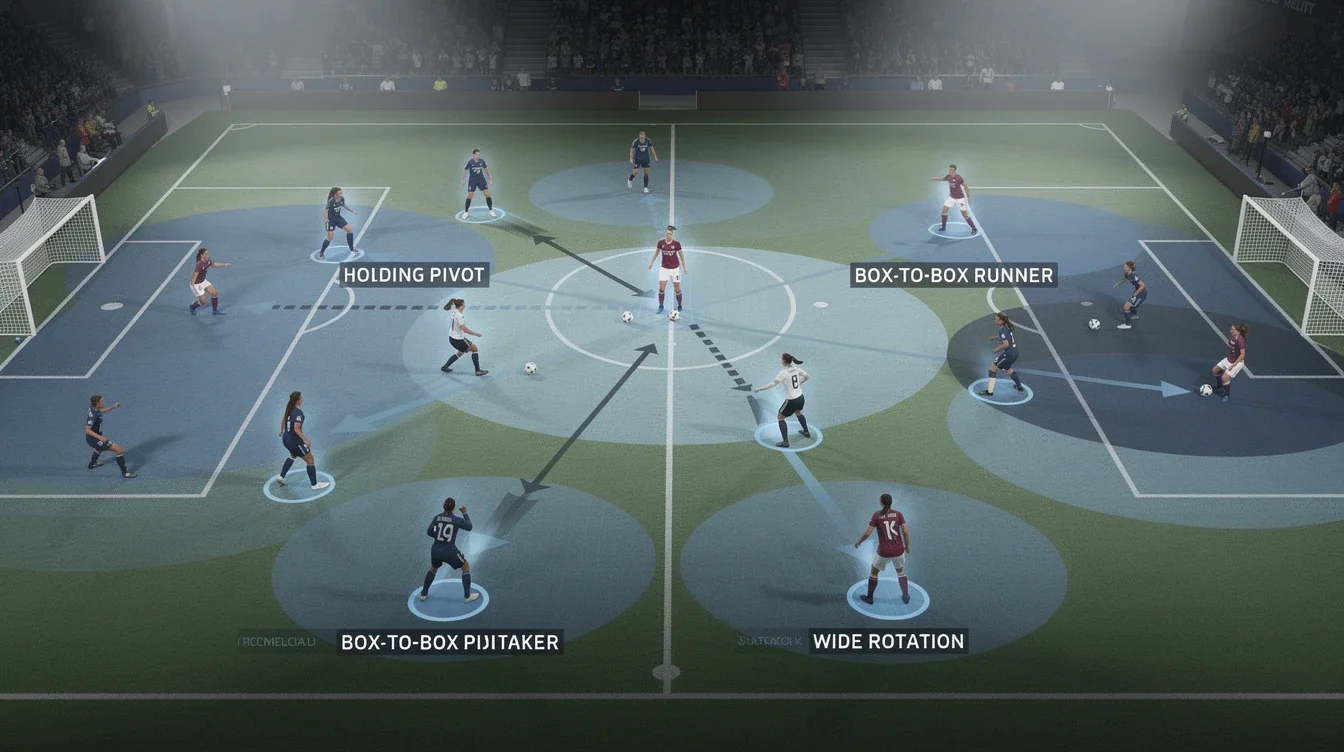
In D1 soccer, systems and shapes aren’t static. It’s common to see teams switch between a 4-3-3, a 4-2-3-1, or a 3-5-2, sometimes within a single match. Tactical versatility in midfielders is all about role fluidity—the ability to function at a high level no matter the system.
For example, a midfielder who starts as a defensive “6” in a double pivot might be asked to push higher as an “8” when chasing a goal, or drop into the back line to provide cover during a counterattack. The best midfielders understand the nuances of each spot, adjusting their positioning, passing range, and defensive responsibilities on the fly.
This fluidity is especially vital in the women’s game, where team depth can vary and coaches often ask players to fill multiple spots due to injuries, tactical tweaks, or late-game situations. Recruiters love players who can step into several roles without missing a beat.
Pro tip: In your match analysis or highlight reels, showcase sequences where you’re not just playing your “main” position, but adapting based on the situation.
Reading the Game: The Intelligence Behind Versatility
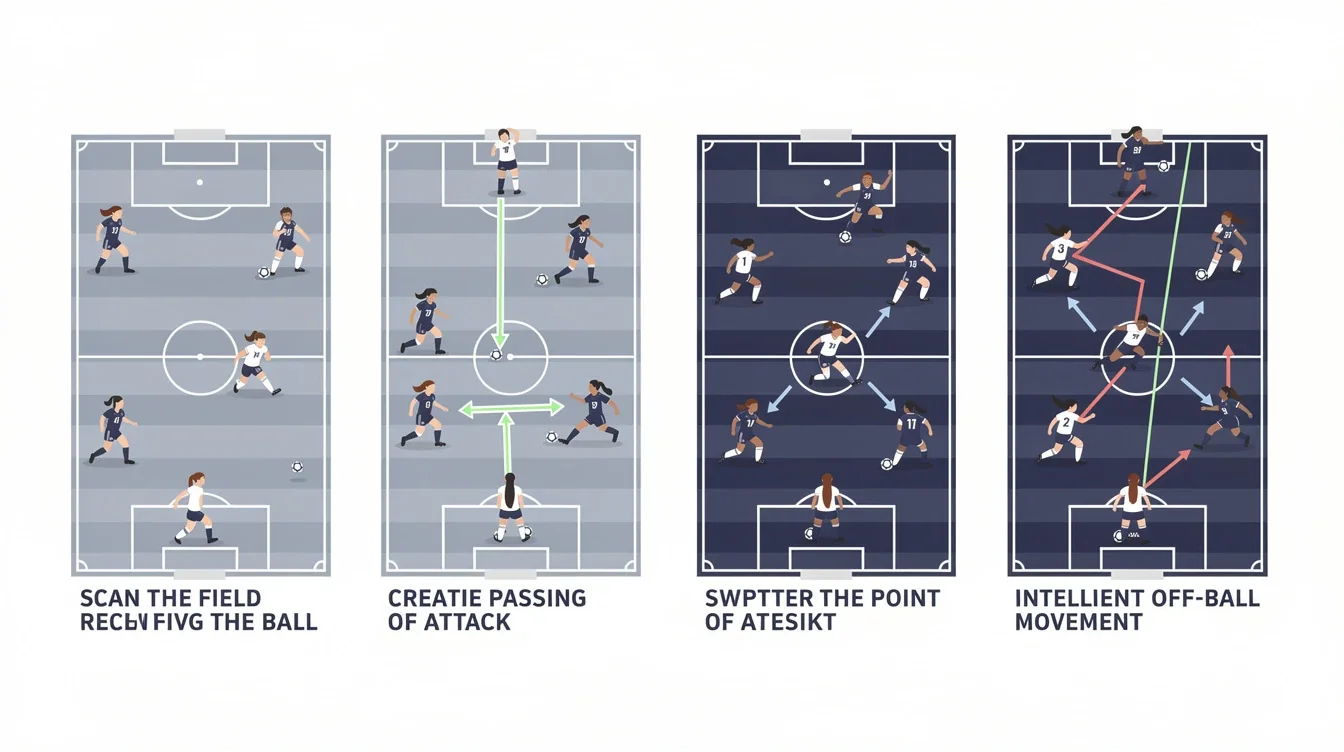
Tactical versatility isn’t just about athleticism or technical skill—it’s about soccer IQ. The most valuable D1 midfielders are those who read the game two steps ahead. They sense when to slow the tempo, when to press, and when to sit in and absorb pressure.
Much of this comes from studying film, learning opponents’ patterns, and internalizing your own team’s style. Top programs like Stanford, North Carolina, and Florida State invest significant time in tactical sessions, demanding that midfielders digest game plans and execute them under pressure. On the field, this looks like a midfielder recognizing a shift in the opponent’s press and dropping deeper to help the center backs play out. Or, it’s a quick switch of play after noticing the opposition overloading one flank.
Coaches are always looking for players who don’t just react, but anticipate. If you’re a midfielder with strong tactical intuition, you’ll make your teammates better—and that’s the kind of trait that gets you recruited and trusted with big minutes.
Pro tip: Build your tactical IQ by watching D1 games with a notebook—track how midfielders adjust during key moments, and apply those lessons to your own play.
Technical Skills That Enable Tactical Adaptation
Being tactically versatile isn’t just mental—it’s about having the technical toolkit to back up your decisions. D1 midfielders need to be two-footed, comfortable in tight spaces, and able to execute a range of passes under pressure. The ability to control and distribute the ball quickly is what allows a midfielder to adapt to new roles or game situations.
For example, switching from a deeper “6” role to an “8” means making more progressive runs and breaking lines with passes. Sliding wide as a makeshift wingback requires defensive 1v1 skills and crossing ability. The more technical skills you have, the more options you give your coach—and the more valuable you become to your team.
Training sessions at the top D1 programs are designed to test players’ technical abilities in different tactical contexts. You might be asked to build out under high pressure one day, then break a low block the next. The best midfielders thrive in these scenarios because their technical base is rock-solid.
Pro tip: When you train, focus on technical drills that mimic game-like pressure and require decision-making—think rondos with changing numbers, or small-sided games with transition moments.
Communication: The Glue of Versatile Midfields
No matter how skilled or intelligent a midfielder may be, tactical versatility doesn’t work without constant communication. The midfield is the hub of the team, and D1 coaches expect their midfielders to organize, instruct, and inform teammates in real time.
This means calling out shape changes, alerting teammates to opposition movement, and directing build-up play. A versatile midfielder is often the coach’s voice on the field, ensuring everyone adjusts to gether when the game plan shifts. Communication also builds trust—when teammates know you’re aware and proactive, they’re more likely to take calculated risks or step into new positions themselves.
Effective communication isn’t just about shouting instructions; it’s about clarity, confidence, and timing. The best midfielders use both verbal cues and non-verbal signals (pointing, gesturing, positioning) to keep the entire team connected.
Pro tip: During practice and games, focus on being the loudest, clearest communicator in the midfield—even if it feels uncomfortable at first. Coaches notice, and teammates benefit.
Recruiting and Development: Building Versatility Early
For aspiring D1 midfielders, tactical versatility should be a priority from the moment you step onto the field. While some of this comes from natural curiosity and intelligence, it’s also a skill that can be developed through targeted training and smart recruiting decisions.
Youth players should seek out coaches and clubs that emphasize tactical education, not just athleticism or technical drills. Playing in multiple positions, studying different systems, and being open to new roles all build the adaptability that recruiters crave. When speaking with college coaches, highlight your experience in varied tactical setups and willingness to learn new responsibilities.
For current college players, never settle into a single mold. Ask your coaches for feedback, review your own game film, and volunteer for new roles in scrimmages or training scenarios. The more you can do, the more indispensable you become.
Pro tip: In your recruiting conversations, ask coaches how they expect midfielders to adapt to different systems or in-game adjustments. Show that you understand the value of versatility and are eager to develop it further.
Conclusion
Tactical versatility isn’t just a buzzword—it’s the defining trait of elite women’s D1 soccer midfielders. As the college game continues to evolve, the ability to switch roles, read the game, execute under pressure, and communicate clearly will only become more valuable. Whether you’re a player aiming for recruitment, a coach building your roster, or a fan watching from the College Touchline, keep an eye on those midfielders who do more than just connect passes. They’re the tactical engines, the adjusters, and the leaders—driving the modern D1 game to new heights.