 By
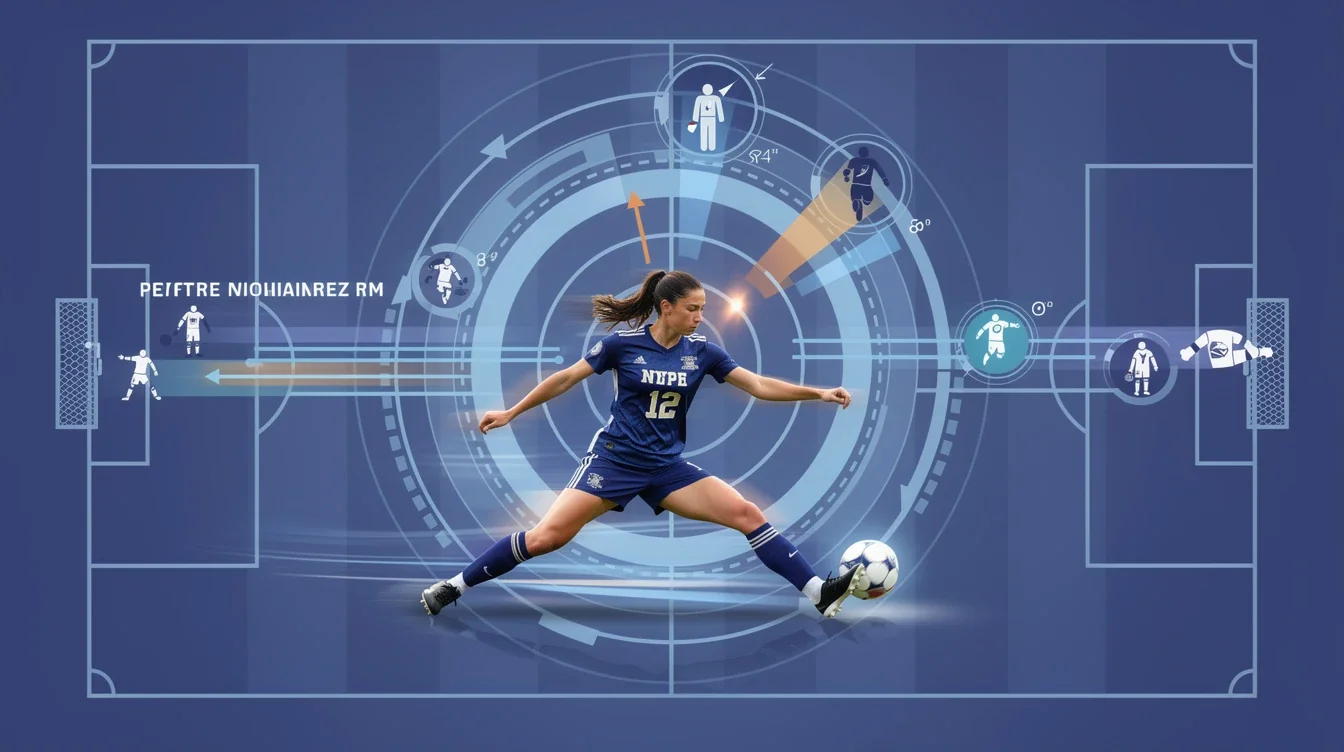
ByIt’s often said that the defensive midfielder is the “engine room” of a soccer team. Nowhere is this more true than in NCAA Division 1 women’s soccer, where the pace is relentless and tactical demands are sky-high. Yet, for many players, coaches, and even fans, the skillset required to excel in this pivotal role remains underappreciated and misunderstood. Here at College Touchline, we’re pulling back the curtain to analyze what makes an elite defensive midfielder in the women’s college game—and how you can spot, develop, or recruit one for your program.
Understanding the Position: More Than a Shield
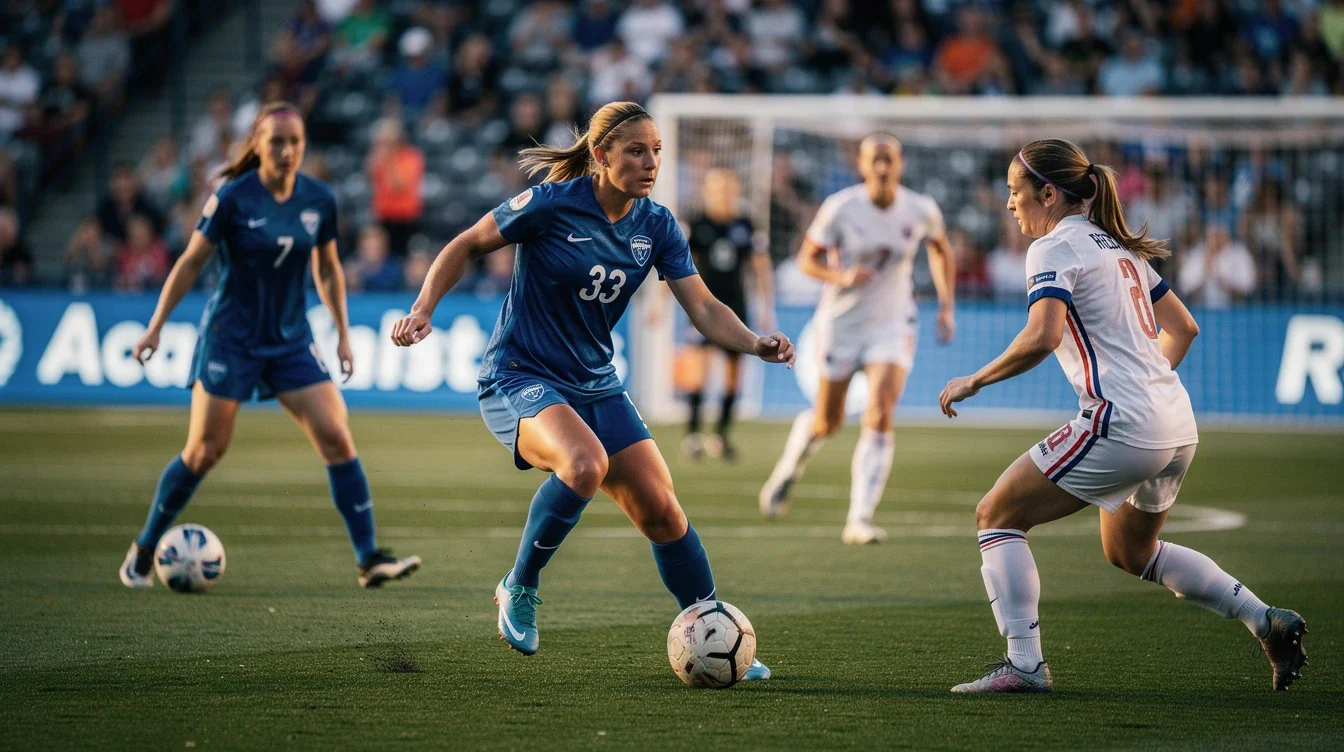
The defensive midfielder, often referred to as the “6” or holding mid, is frequently described as the team’s first line of defense in front of the back four. That’s true, but it’s only part of the story. In the NCAA women’s game, the defensive midfielder is also a connector, a rhythm-setter, and a tactical chameleon.
Defensive mids aren’t just tasked with breaking up opposition attacks. They orchestrate transitions, recycle possession, and act as the pivot point for both defensive solidity and attacking initiative. NCAA matches are often end-to-end, requiring the 6 to read the game two steps ahead. Positioning is key—being able to anticipate where the danger will emerge and snuffing it out before it develops.
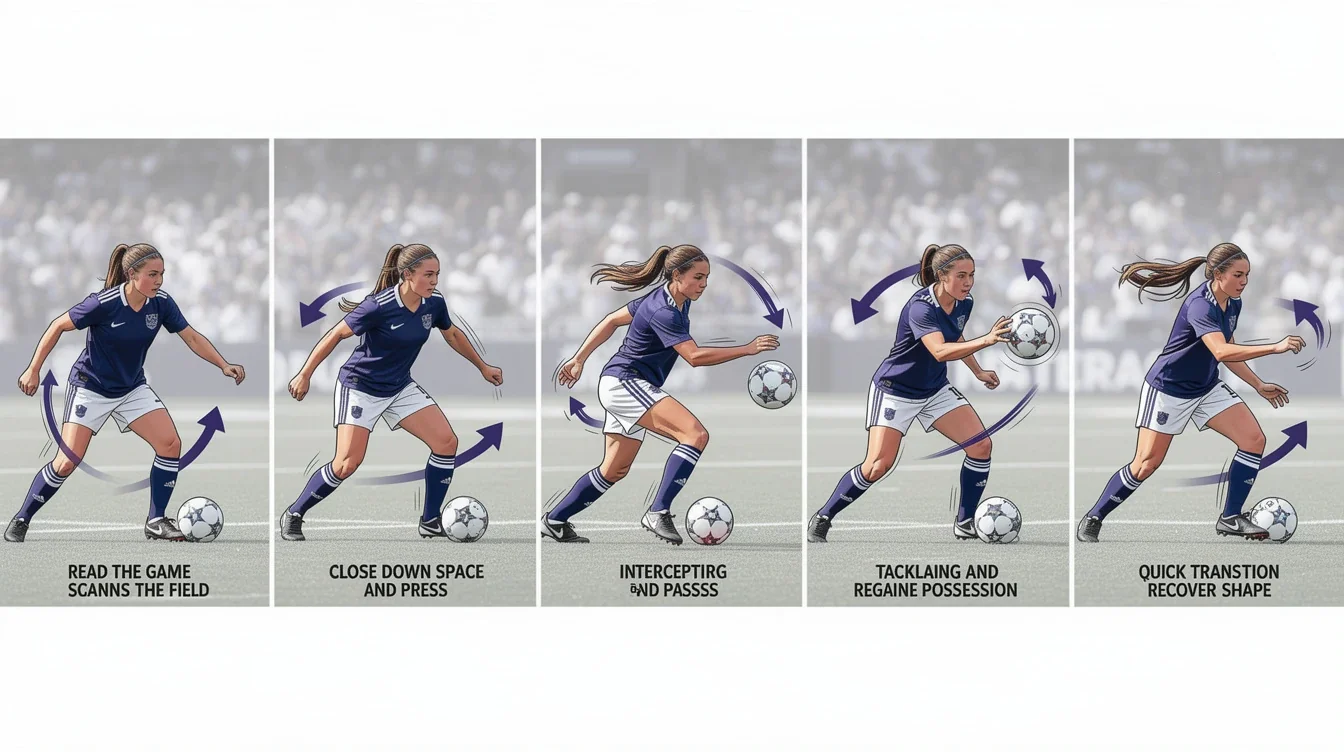
Pro tip: Watch how the best NCAA defensive midfielders scan the field constantly, even when the ball is nowhere near them. That scanning habit is the foundation of elite positioning.
Defensive Fundamentals: Tackling, Intercepting, Shielding
Let’s start with the bread and butter. Defensive midfielders need to excel in the core defensive actions: tackling, intercepting passes, and shielding the back line from direct threats. The NCAA game’s physicality means the 6 must be fearless but controlled in the challenge, knowing when to step in and when to hold ground.
Tackling is more nuanced than simply winning the ball. The best D1 midfielders use their body positioning to shepherd attackers away from dangerous areas, often delaying or disrupting an attack long enough for teammates to recover. Interception is about anticipation and reading the opponent’s intent, picking off passes before they reach their target.
Shielding is especially important in NCAA soccer, where many teams use rapid counterattacks. A top-level defensive midfielder absorbs pressure, blocks passing lanes, and forces opponents to play wide or backwards.
Pro tip: In training, practice 1v1s in tight spaces, focusing as much on footwork and body angles as on outright tackling. This sharpens both anticipation and timing.
Distribution and Tempo Control
A misconception about defensive midfielders is that their role ends when they win the ball. In reality, they are often the fulcrum for launching attacks and controlling the game’s tempo. In the NCAA, where transitions happen at breakneck speed, a 6’s ability to make quick, accurate passes under pressure sets the tone for the entire team.
Simple passes aren’t always safe passes. The elite holding mids recognize when to play forward, when to switch the play, and when to recycle possession. They’re comfortable receiving the ball with an opponent on their back and can break lines with a single incisive pass.
Vision and decision-making are critical. The best D1 defensive mids can execute a range of passes—short, long, driven, chipped—and do so with both feet. They understand the value of a well-timed switch to the weak side or a clever pass into the feet of a creative midfielder.
Pro tip: In match analysis, focus on how often a defensive midfielder breaks multiple lines with one pass, not just how many times they “keep possession.” Quality trumps quantity here.
Tactical Awareness and Game Intelligence
Perhaps the most undervalued part of the defensive midfielder’s arsenal is their tactical brain. NCAA soccer is tactically diverse, with teams employing everything from classic 4-4-2s to more complex 3-5-2 or 4-2-3-1 setups. The best 6s understand how their role changes depending on the system and the opponent.
Game intelligence means knowing when to press and when to drop, how to provide cover for advancing fullbacks, and how to adjust positioning based on the flow of the match. It’s not enough to play the role by rote; great defensive midfielders are constantly processing information and making small but crucial adjustments.
Communication is a critical extension of this skill. The 6 often acts as the team’s on-field coach, directing teammates, organizing pressing triggers, and ensuring shape is maintained. In high-pressure NCAA games, where mistakes are punished quickly, this leadership is invaluable.
Pro tip: Encourage defensive mids to study film not just of themselves, but of top collegiate and professional players in this role. Focus on off-the-ball movement and communication cues.
Physical and Mental Toughness
It’s no secret that the physical demands on a 6 in Division 1 women’s soccer are immense. Covering ground, absorbing contact, and winning duels are daily requirements. But physicality goes beyond fitness; it’s also about resilience—bouncing back from mistakes, playing through fatigue, and maintaining focus for 90 minutes.
Mental toughness is equally crucial. The defensive midfielder is the team’s safety net, and errors can be costly. The top performers have a short memory for mistakes, a strong sense of responsibility, and the ability to stay composed under pressure.
Leadership often emerges from this position, even when the player isn’t wearing the captain’s armband. The steadiness and grit a 6 brings can settle the team during tough spells and spark a response when momentum needs to shift.
Pro tip: Incorporate scenario-based training—such as playing out from a goal down or defending a narrow lead—to develop composure and decision-making under stress.
Recruitment and Development: What Coaches Are Looking For
For players aspiring to play at the next level, and for coaches navigating the recruiting landscape, understanding the nuances of the defensive midfielder role is essential. D1 coaches aren’t just looking for “destroyers” or purely physical presences—they want complete midfielders who can impact both sides of the ball.
Coaches value technical proficiency, tactical IQ, and coachability above all. A player’s ability to adapt, take instruction, and stay disciplined within a game plan is often the separator at the highest level. Versatility is also a plus; many top programs look for players who can play as a single pivot, in a double pivot, or even drop into a back three if needed.
For high school and club players, focusing on the total skillset—defensive actions, passing range, tactical understanding, and leadership—makes you a more attractive recruit. Showcasing these abilities on film, and communicating your understanding of the role in conversations with coaches, can set you apart in a crowded field.
Pro tip: When communicating with college coaches, be prepared to discuss specific tactical moments from your matches. Highlight how you read the game, adapted to challenges, and how you see your role fitting into their system.
Conclusion
The defensive midfielder is the pulse of any successful NCAA women’s soccer team. It’s a position that demands technical excellence, tactical mastery, and an unwavering competitive spirit. Whether you’re a player looking to elevate your game, a coach searching for the next great 6, or a fan wanting to appreciate the finer points of midfield play, understanding the complete defensive midfielder skillset is essential.
At College Touchline, we believe that the future of the women’s game will be shaped by those who embrace the art and science of midfield play. If you’re ready to step into the engine room—or recruit someone who is—remember: the best defensive midfielders don’t just protect; they inspire, connect, and drive their teams to new heights.