 By
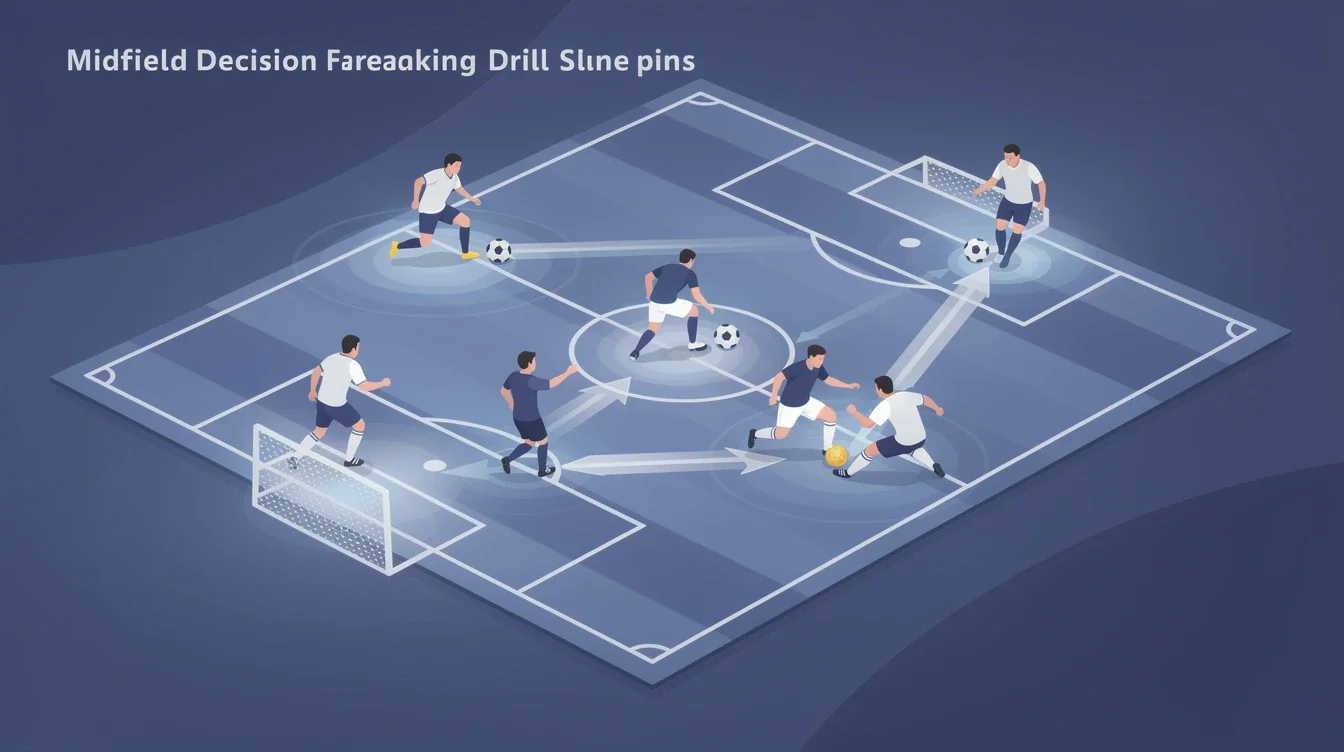
ByMidfielders are the heartbeat of any college soccer team. In NCAA Division 1, where margins are razor-thin and decisions are made in split-seconds, the ability to read the game and make the right choice under pressure separates good midfielders from great ones. But decision-making isn’t just a product of talent—it's a skill you can train, sharpen, and master. In this article, we’ll break down how visualization drills can supercharge your on-field awareness, boost your confidence, and give you the edge in the heat of college soccer competition.
Why Visualization Matters in Midfield Play
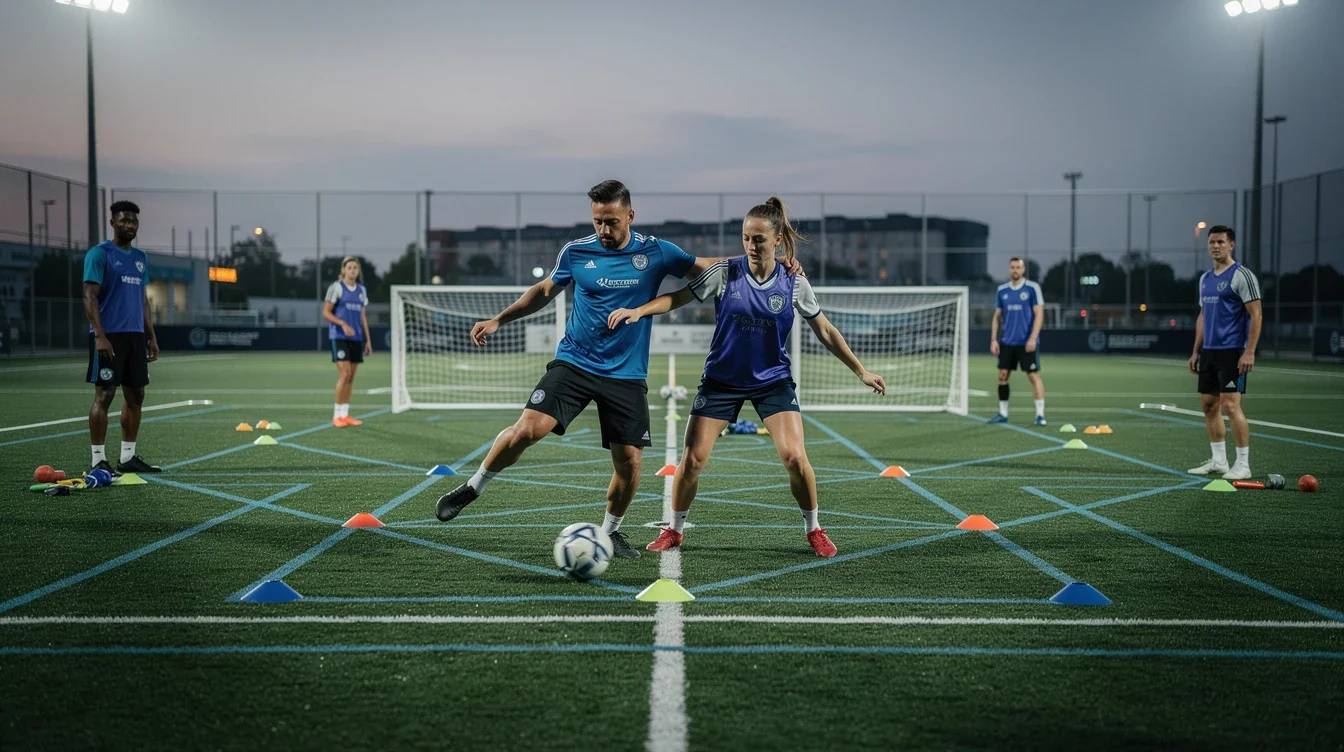
The modern midfielder faces a barrage of choices every time the ball comes near: Should you play it safe or try a risky switch? Is there a pocket of space to exploit, or do you need to recycle possession? These aren't just physical problems—they’re mental ones, too. Visualization, the process of mentally rehearsing scenarios, helps midfielders anticipate, process, and react to the game faster.
Research and anecdotal evidence alike show that athletes who visualize game situations make smarter, faster decisions. For midfielders, this means you’re not just reacting—you’re predicting, reading cues, and staying a step ahead. NCAA coaches increasingly integrate visualization into training, recognizing its role in developing players who don't just play the game, but see it unfold before it happens.
Pro tip: Before your next session, spend five minutes away from the field closing your eyes and imagining the most common game situations you face. Picture your movements, the passing options, and even the sounds around you.
Core Types of Visualization Drills
Not all visualization is created equal. For midfielders, the most beneficial drills combine mental rehearsal with real movement and scenario-based challenges. Let's break down the most effective categories:
1. Solo Visualization with Guided Imagery:
Sit quietly and visualize specific game moments. This might be scanning before receiving, feeling opposition pressure, or executing a switch of play. The key is detail—imagine the field, your teammates’ positions, and even your emotional state.
2. Shadow Play with Decision Prompts:
Shadow play isn’t just for defenders. As a midfielder, move through the central channel, imagining a variety of cues (a defender stepping, a teammate making a run). At each “decision point,” pause and mentally rehearse your options—turn, pass, or carry.
3. Video-Based Visualization:
Watch match footage of yourself or elite midfielders. Pause at key moments and ask, “What would I do here?” Then, close your eyes and replay that moment, visualizing your response. This blends real-game context with mental rehearsal.
Pro tip: Record your own training sessions and use short clips for video-based visualization. Seeing yourself in action strengthens the mental connection and helps correct habits.
Integrating Visualization into Team Training
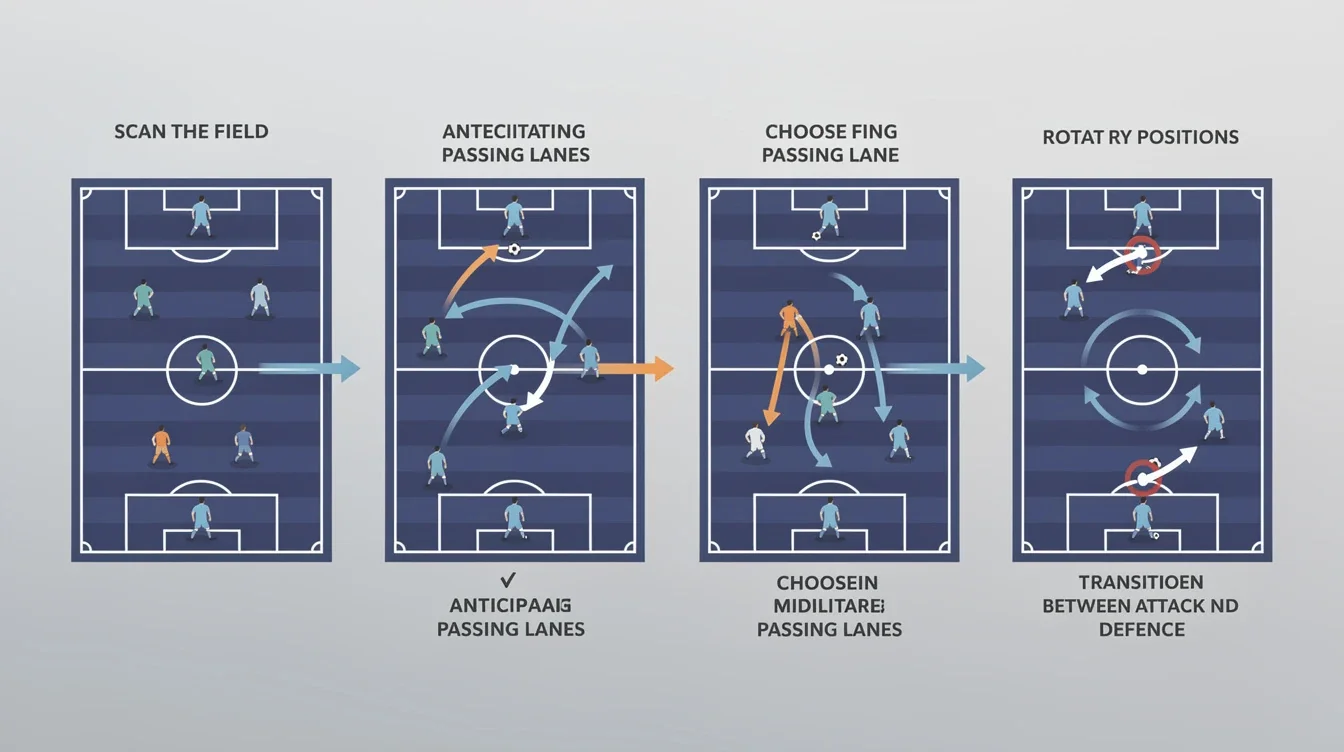
While solo work is powerful, the best NCAA programs weave visualization into their everyday drills. Coaches can help players build decision-making skills by structuring sessions that force split-second choices.
Dynamic Rondo Variations:
Instead of standard rondos, introduce variables—limited touches, changing numbers, or extra “joker” players. Add verbal prompts (“switch,” “split,” “recycle”) so midfielders must process new information and visualize their next move on the fly.
Pattern Play with Unpredictable Cues:
Set up midfield passing patterns but allow an assistant or coach to suddenly change the scenario by shouting a different instruction or introducing a passive defender. Players must quickly visualize the new situation and adapt.
Freeze-Frame Scenarios:
During small-sided games, stop play at critical moments. Ask midfielders to describe what they see, what their options are, and what they’d do next. Then, let them play out their choice. This bridges visualization and live decision-making.
Pro tip: Give players “visualization homework”—ask them to reflect and mentally replay a key moment from training before bed. Sleep helps consolidate these mental rehearsals.
Building Game-Ready Decision Speed
Visualization is the foundation, but real improvement comes from combining mental rehearsal with live, pressurized decision-making. NCAA D1 games move fast, and the best midfielders process cues almost automatically. Here’s how to accelerate your game-speed thinking:
**Layering
- Complexity Gradually:**
Start with simple, low-pressure drills that focus on one decision (e.g., turn or lay off). Gradually add more options, defenders, and real-time constraints. Visualization primes your brain, but you need live reps to hardwire these choices.
Emphasizing Scanning and Perception:
Regularly train players to scan before receiving. Use “call-out” drills where teammates shout numbers or colors before you receive, forcing you to check your surroundings and visualize your next move in advance.
Simulating Real Match Stress:
Add consequences for wrong decisions—extra sprints, turnovers, or even role reversals. Stress helps simulate the pressure of D1 games, teaching midfielders to trust their visualization and instincts when it counts.
Pro tip: After each drill, take 30 seconds to mentally replay both the best and worst moments. Ask yourself what you saw, what you missed, and how you’d react differently next time.
Visualization for Recruitment and Performance Growth
Visualization isn’t just about on-field play—it’s a key tool for players looking to stand out in the NCAA recruiting process or climb the D1 ranks. Coaches want midfielders who are thinkers as well as athletes, and your ability to process the game can set you apart.
Showcasing “Football IQ” on Film:
When preparing highlight reels, include clips that demonstrate smart decision-making—quick switches, intelligent movement, and awareness of space. Coaches notice players who see the whole field, not just the ball.
Interview and ID Camp Prep:
Use visualization to rehearse both on-field scenarios and off-field interactions. Mentally walk through common coach questions, visualize yourself communicating confidently, and picture making a strong impression in drills.
Setting Personal Development Goals:
After each match or session, use visualization to revisit key moments. What did you do well? Where could you have made a better choice? Set one mental decision-making goal for your next outing and mentally rehearse it.
Pro tip: Keep a “midfield journal” where you jot down visualized scenarios, decisions made, and lessons learned. Over time, you’ll build a personalized decision-making playbook.
Conclusion
Midfielders who master decision-making aren’t born—they’re built through deliberate practice, honest self-reflection, and relentless mental rehearsal. Visualization drills bridge the gap between what you know and what you do under pressure, making the difference in the moments that matter most. Whether you’re aiming for a starting spot, a scholarship, or a championship run, invest in your mind as much as your body. At College Touchline, we believe the future of NCAA D1 soccer belongs to midfielders who can see the game before it happens—so start visualizing your next move today.