 By
ByWhen it comes to NCAA Division 1 soccer, defenders are the unsung heroes. Their role demands a blend of tactical intellect, physical resilience, and sheer grit. But there’s one component often underplayed in discussions about elite defensive play: strength training. It’s not just about muscle mass—it’s about building a foundation that supports agility, power, and confidence when facing the nation’s best attackers. Whether you’re a player, coach, or parent aiming for the next level, understanding the strength requirements for college defenders is essential. Let’s break down the key elements that set top NCAA women’s soccer defenders apart—and how you can train to join their ranks.
The Physical Demands on D1 Defenders
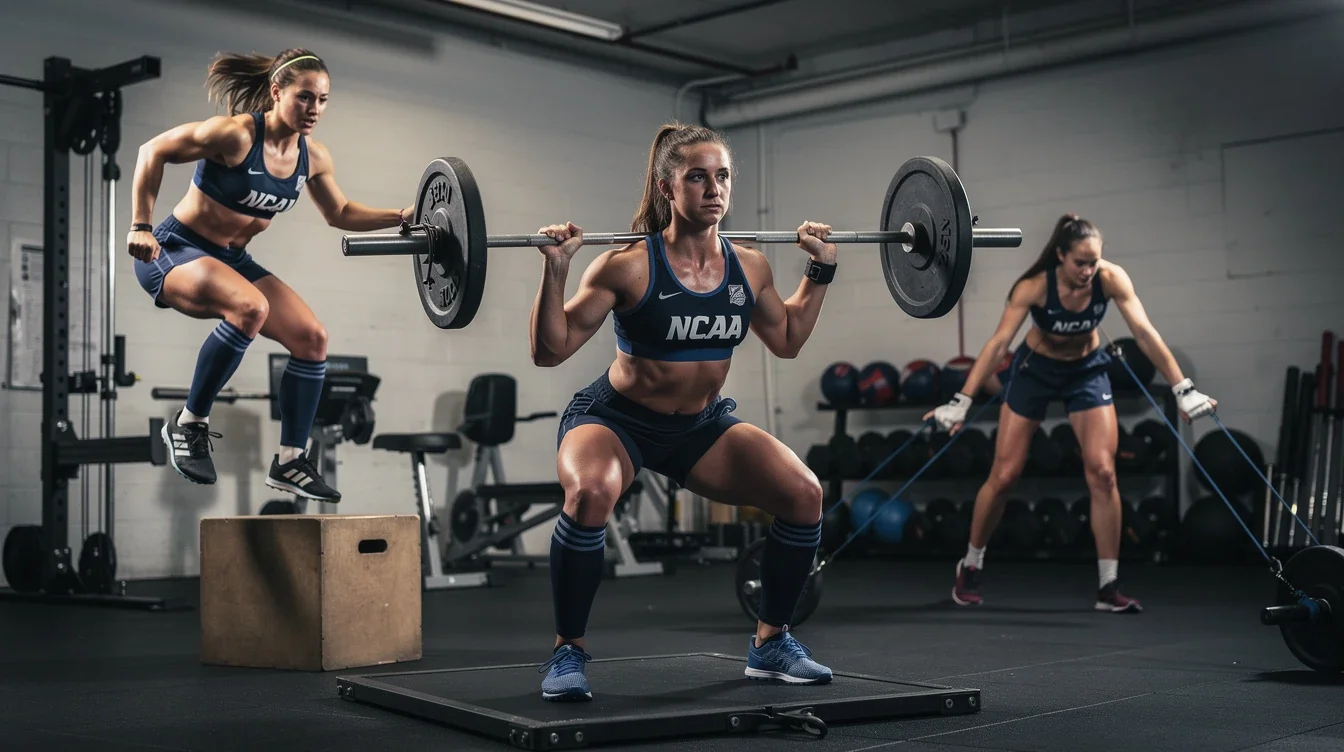
Playing defense at the college level is a physically taxing job. Defenders face relentless forwards, aerial duels, and must repeatedly win 1v1 battles—all while reading the game and communicating with the back line. The modern D1 game is fast, with more athletic attackers and a higher tempo than ever before. This means defenders need more than just tactical awareness; they need a robust physical toolkit.
Strength isn’t just about shielding the ball or pushing opponents off it. It enables explosive acceleration, rapid changes of direction, and the ability to maintain balance under pressure. A defender’s strength supports injury prevention, too—helping stabilize joints and absorb the physical impacts that come with high-level play.
Pro tip: Focus on functional strength. Lifting heavy in the weight room is great, but prioritize movements that mimic game actions—think squats, lunges, and plyometrics over isolated biceps curls.
Building a Defender’s Foundation: Core and Lower Body
Every great defender has a rock-solid foundation, and it all starts with the core and lower body. These muscle groups are responsible for nearly every movement on the pitch—whether sprinting to cut off a through ball, leaping for a header, or holding position against a physical striker.
A strong core isn’t just about visible abs. It’s the center of power for stabilizing during tackles, pivoting quickly, and absorbing contact. Lower body strength—glutes, quads, hamstrings, and calves—drives your sprint speed, vertical leap, and overall on-ball strength.
Key exercises should include:
- Squats and split squats: Build balanced leg strength and stability.
- Deadlifts: Target the posterior chain for power in sprints and jumps.
- Planks and anti-rotation drills: Reinforce core stability under dynamic stress.
Don’t neglect unilateral (single-leg) work. Soccer is played on one leg as often as two, and single-leg exercises help correct imbalances and reduce injury risk.
Pro tip: Integrate balance tools—like stability balls or bosu balls—into your workouts. This adds an extra challenge for your core and mimics the instability you’ll face on the field.
Upper Body: The Overlooked Asset
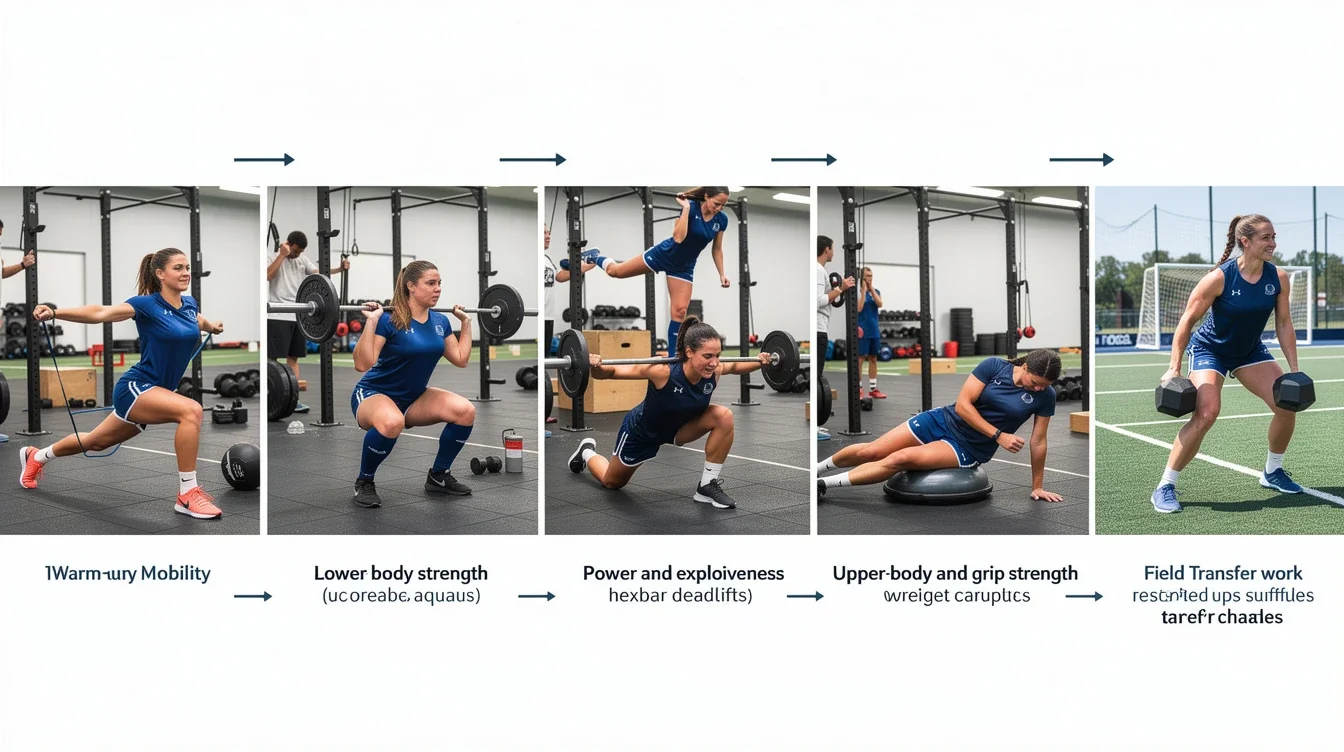
While defenders are known for their footwork, upper body strength is quietly crucial. Shoulder-to-shoulder challenges, aerial duels, and even throw-ins all require a sturdy, coordinated upper half. In NCAA matches, where physical play is common, being able to use your arms and shoulders legally can make the difference between winning and losing a duel.
Effective upper body training for defenders should emphasize:
- Pull-ups and push-ups: Build functional strength for grappling and maintaining position.
- Rows and presses: Develop back and chest muscles for posture and power.
- Rotational exercises: Prepare for the twisting and turning inherent in marking and tackling.
Don’t focus solely on the “mirror muscles.” A balanced routine addresses the shoulders, back, and even the grip—helpful for maintaining control in tight situations.
Pro tip: Use resistance bands for shoulder stability work. Strong, healthy shoulders help you battle in the air and recover faster from contact.
Power, Speed, and Agility: Beyond Basic Strength
Strength alone isn’t enough in the NCAA game. Explosive power, quick footwork, and agility define the best defenders. You need to transition from a standstill to a sprint in a heartbeat, change direction to track a tricky forward, or launch yourself for a last-ditch block.
This is where plyometrics and speed drills come in. Plyometric training—like box jumps, lateral bounds, and medicine ball throws—teaches your muscles to fire quickly and efficiently. Sprint intervals, ladder drills, and cone work sharpen your acceleration and foot speed. Combined with strength training, these elements give you the full toolkit to match up with any attacker.
Remember, agility isn’t just physical—it’s about training your mind to react instantly. Drills that mimic game scenarios, like reacting to a coach’s command or visual cues, help defenders make split-second decisions under pressure.
Pro tip: Include contrast training in your program. Pair a heavy strength move (like a squat) with an explosive plyometric (like a jump). This primes your nervous system for powerful, game-like efforts.
Injury Prevention and Longevity
Injuries can derail even the most promising college careers. For defenders, who are constantly engaging in physical challenges, injury prevention is non-negotiable. Strength training is your first line of defense—especially when combined with flexibility and mobility work.
Hamstring and groin strains, ACL injuries, and ankle sprains are common in soccer. A well-rounded program includes:
- Strengthening stabilizing muscles around the hips and knees
- Regular mobility drills to maintain flexibility in the lower body
- Prehab exercises—like band walks and single-leg balance work—to target weaknesses before they become injuries
Don’t skip warm-ups or cool-downs. Dynamic warm-ups prepare your muscles for explosive effort, while static stretching and foam rolling post-training help with recovery.
Pro tip: Make time for “prehab” every week. Ten minutes of targeted stability and mobility work can save months of rehab down the line.
Applying Strength to On-Field Situations
Strength training isn’t just about numbers in the weight room—it’s about performance on the pitch. The best NCAA defenders translate their physical gains into smarter, more effective play. Here’s how:
- Winning 1v1s: A stronger base lets you absorb contact and stay balanced, whether jockeying or tackling.
- Aerial duels: Lower body and core power help you outjump opponents, while upper body strength lets you hold your ground.
- Clearing under pressure: Core and hip strength let you clear balls farther and with more accuracy, even when off-balance.
- Recovery runs: Improved power and sprint mechanics help you close down attackers or recover position after a turnover.
Communicate with coaches about your strength program and ask for feedback. Are you holding your ground better in scrimmages? Winning more headers? These are signs your training is paying off.
Pro tip: Film your games and track key defensive stats—tackles won, aerial duels, clearances. Correlate improvements with your training to see what’s working.
Related Articles
Conclusion
For NCAA women’s soccer defenders, strength training is more than a box to check—it’s a competitive edge. The right program builds resilience, power, and confidence, helping you stand out in recruitment, dominate in conference play, and extend your playing career. Focus on functional movement, balance upper and lower body work, and always connect your training to real game demands. The nation’s best defenders aren’t just born—they’re built, rep by rep, in the weight room and on the training ground. Take control of your development, and you’ll be ready for whatever the next 90 minutes brings.