By
ByEvery year, college soccer showcases draw thousands of aspiring student-athletes, coaches, and scouts into a whirlwind of games, evaluations, and recruiting conversations. For NCAA Division 1 hopefuls, these events can be make-or-break moments. But as the soccer landscape evolves, so does the way talent is scouted and decisions are made. Enter data analytics—a force quietly reshaping how top programs and players approach showcases. Whether you’re a player angling for the attention of elite coaches or a recruiter looking for that diamond in the rough, understanding the role of data analytics is no longer optional. It’s essential.
The Analytics Revolution in College Soccer
Not long ago, showcase evaluations centered on the “eye test.” Coaches stood on the sidelines, jotting notes and relying on instinct to spot future stars. While intuition still matters, the analytics revolution has swept into the realm of college soccer, transforming subjective opinions into measurable insights.
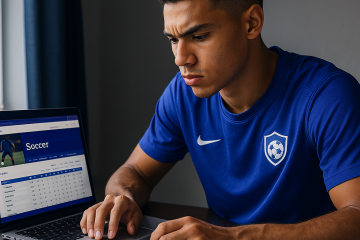
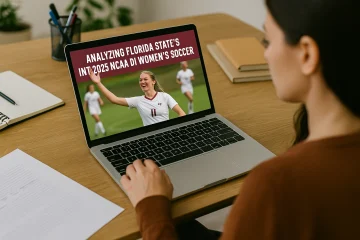
Today’s top showcases often partner with data providers who track every pass, touch, sprint, and interception on the field. Player tracking technology, wearable GPS units, and advanced video platforms collect mountains of data during each match. This goes far beyond traditional stats like goals and assists. Now, coaches can analyze pass completion under pressure, defensive recoveries, pressing intensity, and heat maps showing a player’s movement patterns.
For college programs, this data is invaluable. It allows coaches to compare prospects across different teams and playing styles on a level playing field. For players, it’s a way to stand out based on actual performance metrics, not just reputation or one standout play.
Pro tip: If you’re attending a showcase, ask organizers if they use data tracking and how you can access your stats. Analyzing your own numbers is a great way to identify strengths and areas for improvement.
What Data Do Coaches Really Value?
With so much information available, it’s natural to wonder: what do college coaches actually care about? The answer isn’t always obvious, and it’s not the same for every position.
For attacking players, coaches want to see more than just goals. They’re analyzing expected goals (xG), shot locations, assist potential, and how often a player gets into dangerous areas. For defenders and midfielders, metrics like successful duels, interceptions, line-breaking passes, and pressing actions are under the microscope. Work rate, measured by distance covered and high-intensity sprints, is a universal benchmark.
Coaches are also seeking context. A midfielder who completes 90% of their passes, but only plays simple balls backward, might not rate as highly as one who attempts—and completes—risky forward passes. Data platforms now provide video clips linked to specific actions, letting coaches see not just what happened, but how and why.
Pro tip: When reviewing your showcase data, look for patterns. Are you consistently involved in buildup play? Do your defensive actions lead to regaining possession? Numbers tell a story, but the best players know how to interpret that story.
Using Analytics to Stand Out

For players trying to catch the eye of Division 1 recruiters, analytics are a double-edged sword—they can highlight your best qualities, but they’ll also reveal weaknesses. The key is to use data as a tool for self-improvement and targeted exposure.
Start by understanding the metrics most valued by your target programs. If you’re a fullback, coaches may be scanning for overlapping runs, crossing accuracy, and recovery speed. For forwards, it might be pressing actions and shot conversion rates. Once you know what matters, tailor your game—and your highlight reels—accordingly.
Many showcases now provide players with their own data dashboards. Use these to create a data-driven player profile to share with coaches. This doesn’t replace game footage, but it enhances your story. “I completed 85% of my passes under pressure in three showcase games” is far more compelling than simply saying you’re composed on the ball.
Pro tip: Include a brief data summary in your emails to coaches. For example, “At the recent College ID Showcase, I ranked in the top 10% for progressive passes and defensive recoveries.”
Analytics for Coaches: Smarter Scouting
For coaches and recruiting staff, analytics offer a way to cut through the noise. With hundreds of players on display, it’s impossible to watch everyone with equal attention. Data allows coaches to filter and focus—identifying players who fit their tactical needs or who perform exceptionally in key metrics.
Analytics also help validate or challenge first impressions. Maybe a player didn’t stand out in a brief viewing, but their data shows elite work rate or consistent involvement in dangerous plays. Conversely, a flashy moment might mask underlying issues—like poor decision-making or low involvement over an entire match.
Coaches are increasingly using data to build “shortlists” for deeper video review or live follow-up. This objective layer can help avoid bias and ensure promising prospects aren’t overlooked due to circumstance or timing.
Pro tip: If you’re a coach, set clear parameters before the showcase. Know the data points you value most for each position, and communicate these to your recruiting staff. This streamlines post-showcase evaluation and helps focus your follow-ups.
Overcoming Data Limitations
While analytics are powerful, they’re not perfect. Soccer remains a fluid, context-driven game, and numbers can’t always capture the nuances of chemistry, attitude, or adaptability. A player might post impressive stats in a lopsided game but struggle against tougher opposition. Or, their off-the-ball intelligence might not show up in any chart.
For this reason, the best programs combine data with live observation and personal interactions. Coaches still want to see how a player communicates, responds to adversity, and fits within a team’s culture. Players should treat data as one piece of a larger puzzle—not a replacement for hard work, leadership, or coachability.
Pro tip: Don’t get discouraged by one bad statistical performance. Use it as motivation and context for growth. Coaches know that data is only part of the story—they’re looking for players who learn and adapt.
The Future: Custom Analytics and Player Development
The data analytics wave in college soccer showcases is just starting. As technology improves, we’ll see even more granular data—real-time feedback, biomechanics, and mental performance metrics. Some programs are already developing custom dashboards that blend showcase data with academic, fitness, and psychological profiles.
For players, this means more opportunities to highlight unique strengths and pursue targeted development. For coaches, it means a more holistic approach to scouting and team-building. Ultimately, data analytics will make the college soccer recruiting process more transparent, merit-based, and effective—benefiting everyone involved.
Pro tip: Stay current with analytics trends and platforms. Learning how to interpret and use your data gives you a real advantage in the crowded showcase environment.
Related Articles
Conclusion
Data analytics in college soccer showcases are changing the game, offering clarity, fairness, and new pathways for both players and coaches. While the numbers can be daunting, they’re also empowering—helping serious prospects showcase their true abilities and giving coaches sharper tools to identify the next generation of NCAA Division 1 talent. As you prepare for your next showcase, embrace the analytics revolution. Whether you’re on the field or on the touchline, understanding and leveraging data will help you make smarter decisions, improve your game, and take your college soccer journey to the next level.