 By
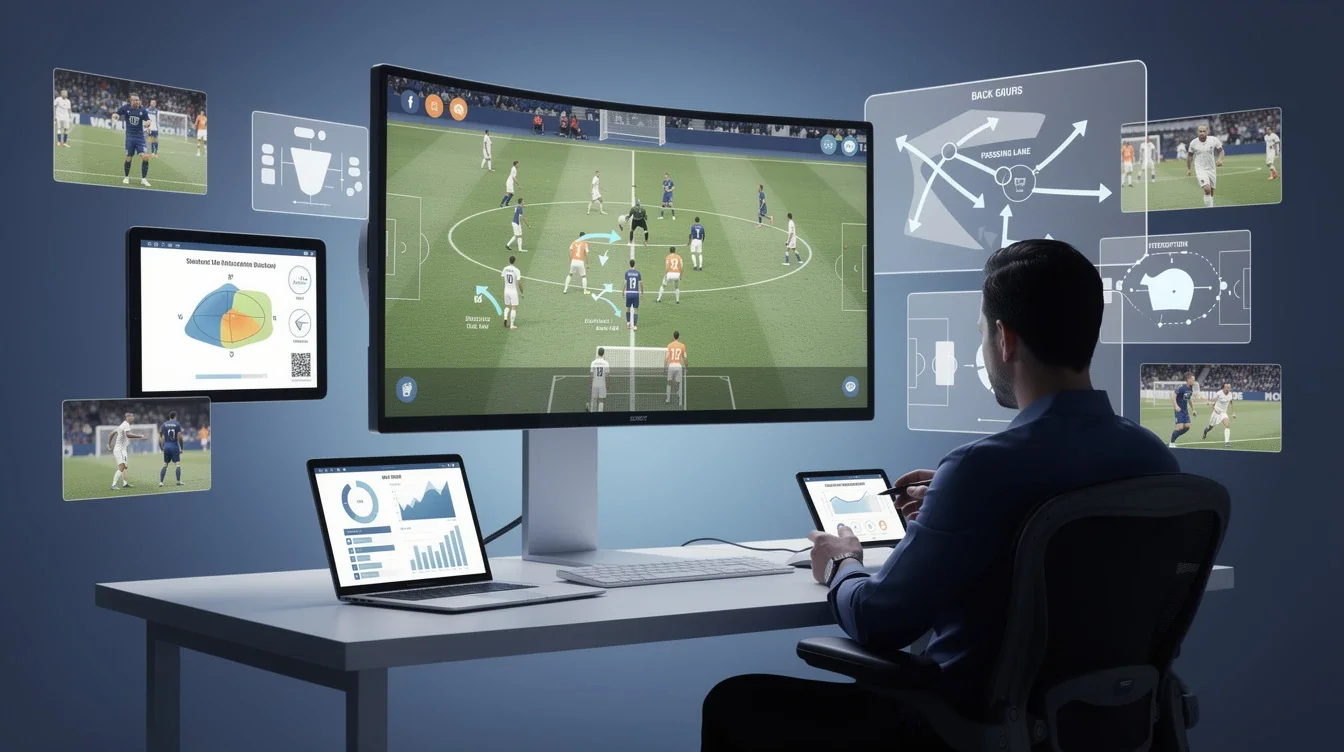
ByIn the fast-evolving landscape of NCAA Division 1 soccer, recruiting and developing elite defensive talent is both an art and a science. With the explosion of video analysis and digital scouting tools, coaches, analysts, and even prospects themselves are reimagining how backline brilliance is identified and nurtured. Whether you’re a coach plotting your next recruiting cycle, a player aiming for a roster spot, or a dedicated fan craving a deeper understanding, mastering the nuances of video scouting can be a game-changer. Let’s dive into how top programs use video to uncover defensive gems—and what you should look for to stay ahead of the curve.
The Foundations of Video Scouting
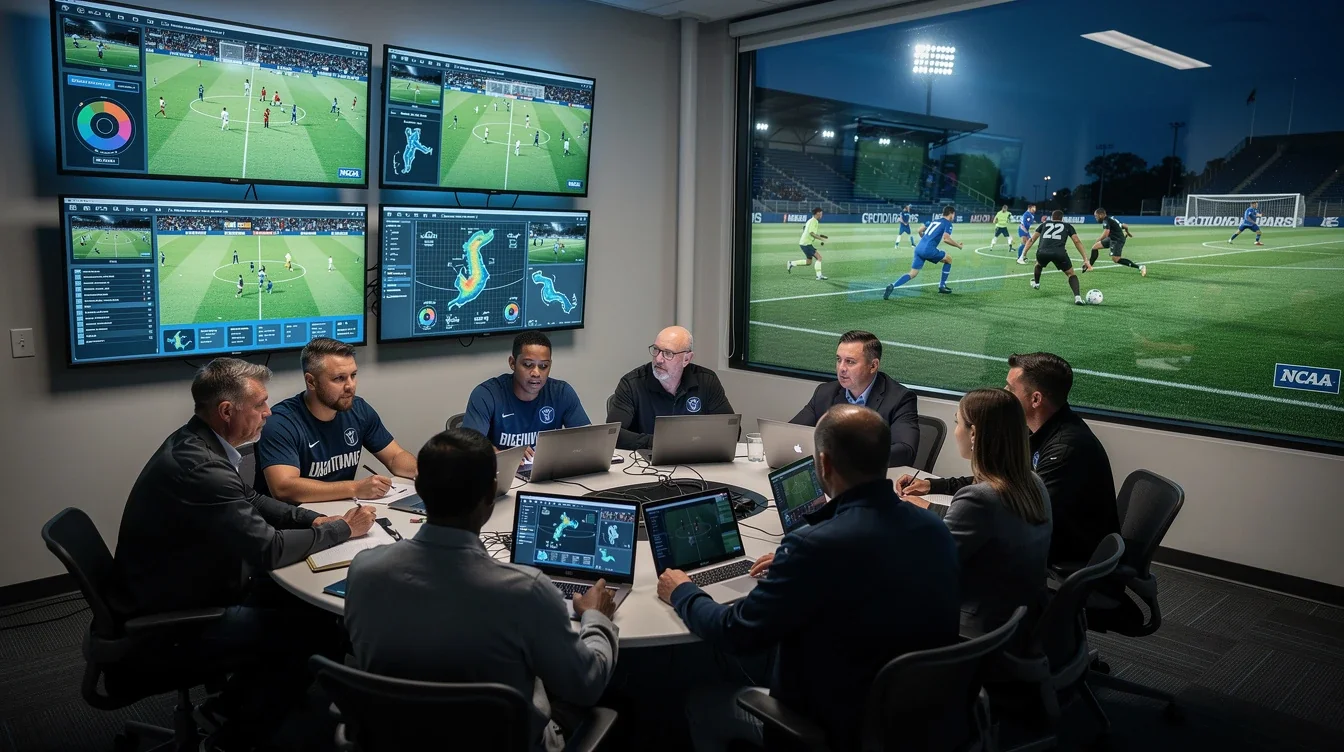
At its core, video scouting is about extracting actionable insights from a sea of footage. Unlike attacking play, where highlight reels can dazzle with flashy goals and assists, defensive excellence is often subtle—a perfectly timed step, a quiet positional adjustment, a blocked passing lane that never makes the stat sheet. College coaching staffs now rely on a combination of full-match replays, condensed clips, and advanced analytics to piece to gether the bigger picture.
The first step in video scouting defensive players is establishing clear criteria. NCAA D1 coaches typically focus on four pillars: positioning, decision-making, technical ability, and physical attributes. Reviewing video allows evaluators to slow down the game, rewind sequences, and spot details easily missed in the heat of live action.
Pro tip: When reviewing film, avoid focusing solely on the ball. Track the defender’s off-ball movements, communication, and anticipation—these are often where high-level D1 potential is revealed.
Breaking Down Key Defensive Qualities
Every position along the backline demands specific skillsets, but all elite defenders share a few common traits. Let’s break down what coaches are looking for—and how video brings those qualities to light.
Positioning and Spatial Awareness: Top D1 defenders aren’t just athletes; they’re chess players, always thinking two moves ahead. On video, coaches evaluate how defenders read the game, maintain shape, and cover space both in and out of possession. A well-timed cover run or an intelligent drop to deny a through ball speaks volumes.
Decision-Making Under Pressure: Defensive errors are often punished at the college level, so coaches use video to study how prospects respond to pressing opponents and chaotic moments. Do they clear their lines when needed, or try risky passes? Do they step into tackles, or shepherd attackers into less dangerous areas?
Technical Ability: While defense is about grit and organization, clean technique can be the difference between a simple clearance and a costly turnover. Video allows evaluators to dissect first touches, passing range, and comfort under pressure—especially in build-out phases.
Physical Tools: The D1 game is fast and physical, but video helps contextualize athleticism. Are a player’s recovery runs and duels effective because of pure speed, or because of anticipation and timing? Video helps separate raw tools from refined skills.
Pro tip: Watch clips multiple times—first at full speed, then in slow motion. This exposes both instinctive reactions and technical consistency.
Evaluating Central Defenders on Film
Center backs are the anchor of any defense, and D1 programs demand both leadership and versatility from these roles. When watching film, coaches look for organizers—defenders who direct traffic, maintain the line, and step up in critical moments.
Key video cues for central defenders include:
- How often do they break lines with passes?
- Do they win their aerial duels and second balls?
- Are they vocal, constantly communicating with their backline and midfield?
- Can they defend 1v1 in space, especially against pacey attackers?
College coaches also pay close attention to how center backs respond to adversity. A mistake isn’t the end—coaches want to see resilience and smart risk management after an error.
Pro tip: Note the center back’s body language after conceding a goal or making a mistake. Composure and positive leadership are invaluable at the NCAA D1 level.
Outside Backs: Speed, Range, and Decision-Making
In modern D1 soccer, outside backs are crucial two-way players. They’re tasked with defending speedy wingers, supporting the midfield, and often joining the attack. Video analysis helps coaches spot which prospects have the tactical discipline and athleticism to excel in these dynamic roles.
On film, look for:
- Recovery speed and ability to win foot races down the flank
- Judgement in picking moments to overlap or stay home
- 1v1 defending technique against skillful wide players
- Quality and variety of service from wide areas
A standout outside back in the video doesn’t just chase play—they anticipate, intercept, and recover. Coaches look for players who show both stamina and soccer IQ over the course of an entire match.
Pro tip: Pay attention to transition moments. The best outside backs recover quickly after turnovers and help their teams regain shape in seconds.
The Role of Advanced Analytics
While traditional video review is invaluable, top programs now integrate data-driven tools to sharpen their assessments. Tracking metrics like interceptions, clearances, pressures, and duel success rates can validate what’s seen on film—or reveal hidden strengths and weaknesses.
Analytics platforms let coaches filter clips by specific events, such as defensive actions in the final third or successful tackles against top opposition. This targeted approach saves time and puts context around a player’s impact.
That said, numbers never tell the whole story. Video remains the ultimate arbiter of a player’s decision-making, adaptability, and attitude—traits that define D1 defensive stardom.
Pro tip: Use analytics as a starting point, not a finish line. Let the numbers guide you to key sequences, then dig deeper with your own eyes.
Best Practices for Players and Coaches
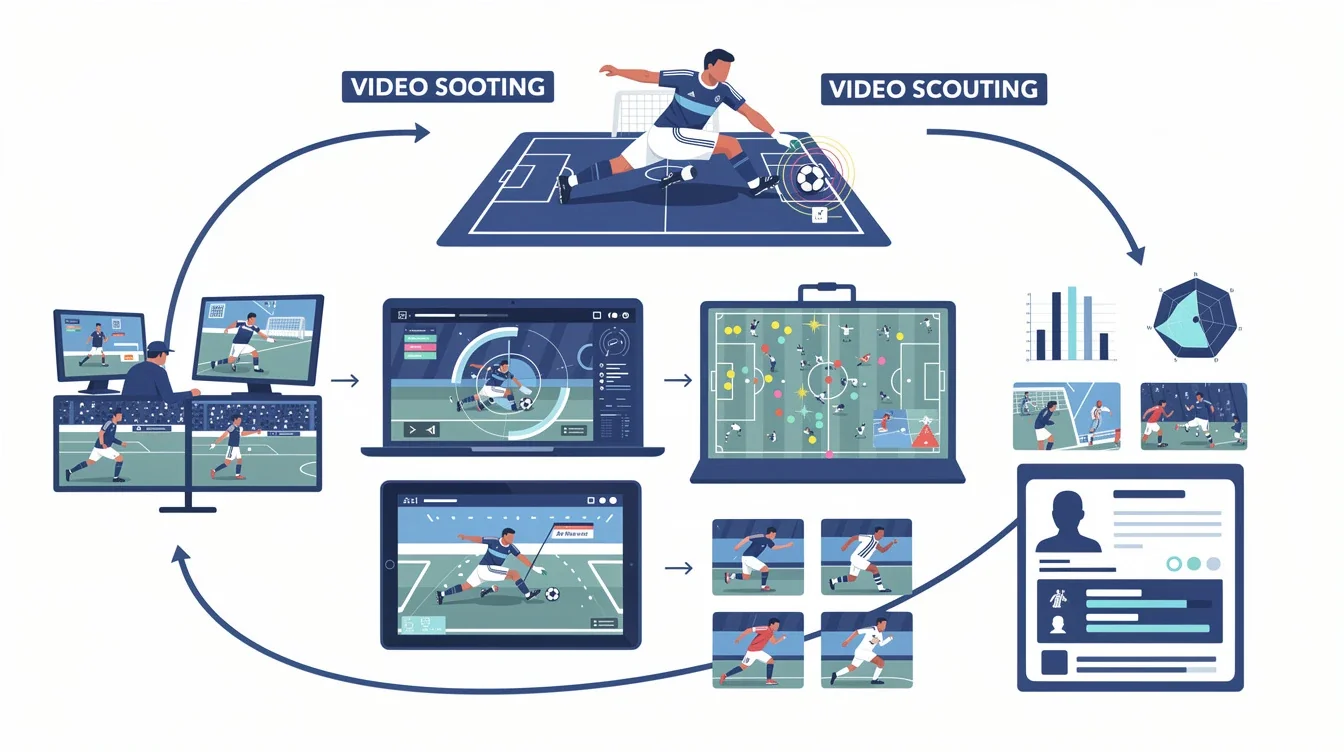
For coaches and analysts, a structured video workflow streamlines both recruiting and player development. Tagging key moments, sharing annotated clips with staff, and building player-specific highlight reels make the process efficient and collaborative.
For aspiring defenders, understanding what college coaches look for on film is crucial. Instead of chasing highlight-reel tackles, focus on compiling game footage that showcases your intelligence, positioning, and reliability over 90 minutes.
Here’s what players should keep in mind when preparing video for scouts:
- Include full-match clips, not just highlights
- Emphasize sequences that show communication and organization
- Highlight recovery runs, covering teammates, and reading play—not just winning tackles
Pro tip: If possible, add voiceover or captions to your video segments to explain your decisions. This shows maturity and tactical awareness, setting you apart in a crowded recruiting landscape.
Conclusion
Video scouting has revolutionized how NCAA Division 1 programs discover and develop defensive talent. By focusing on the micro-details—positioning, decision-making, technical execution, and data-driven trends—coaches and players alike can make smarter, more informed choices. For defenders, the message is clear: your best moments may not make the highlight reel, but on film, every subtle movement counts. For coaches and fans, learning to “read” defensive video unlocks a deeper appreciation for the art of the backline. At College Touchline, we’ll keep equipping you with the insights and tools to stay one step ahead—because in D1 soccer, that’s often all it takes.