 By
ByA typical NCAA Division 1 men’s match features over 9,000 meters of total distance and 1,000+ meters of high‑speed running.
If you want to not just survive but dominate at that level, you need a clear plan for college soccer performance optimization, not just “train harder and hope.” This guide breaks down a practical, evidence‑based framework you can plug into your daily routine, whether you’re a player, coach, or performance staff member. Table of Contents
- Core Metrics to Track Weekly Break your dashboard into four areas: – **Physical…
- Example: Simple Weekly Player Dashboard
- Define Your Role in Measurable Terms Sit down with your coach and answer:
- Role Fit vs.
- Raise Your Physical Ceiling
- Core Pillars of NCAA‑Level Physical Prep – Strength
- Example: In‑Season Microcycle
- College Soccer Performance Optimization via Recovery, Sleep,
- Build a Simple Load Management System Even without GPS,
- Recovery Priorities for NCAA Players
- Red Flags That Your Load Is Off
- Upgrade Your Decision‑Making
- How to Structure Weekly Video Work
- Self‑Analysis Questions to
- Individual vs. Key Takeaways
What You’ll Learn Why It Matters How to build a practical performance dashboard Keeps players focused on controllable metrics, not noise Ways to align tactics and physical profile for maximum impact Ensures you train and play to your positional strengths How to structure NCAA‑ready strength and conditioning Builds durability, power, and late‑game resilience Recovery and load strategies to avoid burnout and injury Keeps you available for selection in the moments that count Mental and analytical tools to think like a pro ## 1. Build a Performance Dashboard That Actually Drives Decisions Most players say they want to "get fitter" or "be more consistent," but those phrases are too vague to guide training.
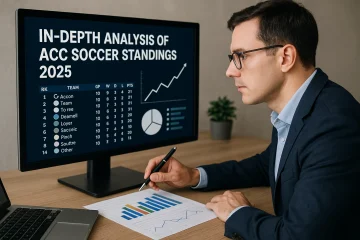
Effective college soccer performance optimization starts with a simple, personalized dashboard that links data to decisions.
At the NCAA level, this can include GPS metrics, internal load, and performance stats, but you do not need a pro‑club budget to start. Core Metrics to Track Weekly Break your dashboard into four areas: – Physical– Total minutes played
- Session rating of perceived exertion (RPE)
- Sprints or high‑speed runs (if tracked) –Tactical/Technical– Key passes, shots, defensive actions, or other position‑specific stats
- Training themes (e.g., pressing, build‑up, final third) –Mental– Focus score (1–5) for each session
- Pre‑match confidence rating –Recovery– Sleep hours
- Muscle soreness (1–10)
- Wellness check (energy, mood) Create a one‑page Google Sheet that you can update in under 3 minutes per day.Pro tip:*** If you cannot measure it in under 3 minutes, you will not track it consistently.
Start minimal, then add layers once the habit is built. Example: Simple Weekly Player Dashboard
Category
Metric
Target Range How to Use It Physical Weekly minutes | 90–180
-
Plan extra conditioning if minutes are low Physical Avg. session RPE: 6–8
-
Flag overtraining if every day feels like 9–10
Tactical
Key actions per game
Position‑specific Review film to improve quality, not just quantity Mental Focus score | 4–5 -
Adjust pre‑match routine if focus dips Recovery Sleep (hrs/night): 7–9
Prioritize sleep if it drops <7 for 3+ nights
When you bring structured data to your coach or performance staff, you stand out as someone who thinks and acts like a pro.Pro tip:*** Review your dashboard every Sunday and pick just one adjustment for the coming week.
Micro‑changes compound over a season. 2. College Soccer Performance Optimization Through Tactical Role Clarity Even elite athletes look average when they are mis‑cast in the wrong role. A huge, under‑discussed lever for college soccer performance optimization is aligning your physical, technical, and psychological profile with the specific demands of your NCAA role.
If you or your staff haven’t deeply mapped your position, start with a tactical primer like NCAA Soccer Positions and Roles: Complete Explainer for Players, Coaches, and Analysts. Define Your Role in Measurable Terms Sit down with your coach and answer:
- What are my top 3 responsibilities in possession?
- What are my top 3 responsibilities out of possession?
- What does "excellent" look like for my role in:
- First 15 minutes
- Last 15 minutes
- Transition moments Now convert those answers into trackable items.
For example, a pressing winger might define success as: – 4–6 high‑intensity presses per half
- Forcing 2–3 backwards passes from the opponent’s full‑back – 1+ shot contribution (shot or key pass) per half
Role Fit vs.
Role Misfit
Aspect
Good Role Fit Example Poor Role Fit Example Physical
High‑motor midfielder covering 11–12 km with many transitions Target striker asked to play as a deep‑lying 6
Technical
Full‑back with strong crossing in an overlapping system Full‑back forced inside as a 10 without tight‑space skills Psychological
Vocal center back organizing a high line Quiet player forced to lead all communication
Pro tip: Ask your staff: "If you could design the ideal player for my role, what would they look like physically, technically, and mentally?" Then build your development plan around that gap. For a deeper tactical blueprint, integrate learnings from College Soccer Tactics and Strategy: A Step‑by‑Step How‑To Guide for Winning at the NCAA Level] into your weekly video work.# 3. Raise Your Physical Ceiling
With Smart Strength and Conditioning At the NCAA level, schedule density, travel, and academic load can quickly erode physical capacity.
College soccer performance optimization requires a strength and conditioning plan that is:
- Specific to your position
- Periodized around the NCAA calendar
- Focused on durability as much as raw performance The article [10 College Soccer Strength and Conditioning Pillars Every NCAA Player Must Master] gives a detailed foundation.
Here we will zoom in on how to make it actionable week to week. Core Pillars of NCAA‑Level Physical Prep – Strength and robustness- 2–3 sessions per week in off‑season – 1–2 short maintenance lifts in‑season -Power and speed- Acceleration and deceleration drills
- Short sprints, change‑of‑direction, and plyometrics -Aerobic and anaerobic conditioning- High‑intensity interval work that mimics your match demands -Mobility and prehab- Hip, ankle, and hamstring focus to reduce common soccer injuries
Example: In‑Season Microcycle for a Saturday Game
Day
Focus Example Elements Sunday
- Recovery + light mobility Bike, stretching, light technical work Monday Strength (lower emphasis): 30–40 min lift, RPE 6–7
Tuesday
High‑intensity field + position work Small‑sided games, pressing patterns Wednesday
Tactical & technical Bigger spaces, 11v11 shape Thursday
Power + speed Short sprints, quick change‑of‑direction Friday
Activation + set pieces Rondo, pattern play, rehearsed restarts Saturday
Match Full performance focus
Pro tip: *Tie your gym work directly to match demands.
For example, center backs should emphasize landing mechanics and hip strength for aerial duels; wingers may prioritize acceleration and hamstring robustness for repeated sprints. If you are serious about using physical prep as a competitive advantage in recruiting, integrating these pillars can also strengthen your case during conversations with coaches.
Pair your training details with insights from [11 Division 1 Soccer Recruiting Tips Every Serious Player Needs to Know] to show you understand the standard.# 4. College Soccer Performance Optimization via Recovery, Sleep, and Load Management Most players "optimize" their performance by training more.
In reality, the elite separate themselves by managing recovery and loadwith the same discipline as training.
This is where many seasons are won or lost. Build a Simple Load Management System Even without GPS,
you can track internal load by combiningsession durationandRPE.
- After every session, rate how hard it felt (1–10)
- Multiply that number by the session length in minutes Example: – 90‑minute training at RPE 7 = 630 load units Track this across the week and note patterns:
- Are you stacking multiple 800+ days?
- Are you under‑loading early in the week and over‑loading right before games? ## Recovery Priorities for NCAA Players
Sleep- 7–9 hours per night is non‑negotiable
- Keep consistent bed/wake times, even on off days
Nutrition and hydration- 20–30g of protein within 1–2 hours post‑training
- Carbs around training to fuel high‑intensity work
- Electrolytes on hot or double‑session days
Active recovery- 10–20 minutes of low‑intensity cycling or walking
- Light mobility and foam rolling
Psychological recovery- Scheduled time away from soccer
- Simple breathing or mindfulness practice
Red Flags That Your Load Is Off
Indicator
Possible Issue Action Step
3+ days of poor sleep
Over‑stimulation, late caffeine, or stress Adjust caffeine, screen time, and pre‑bed routine Persistent soreness
Inadequate recovery or imbalanced program Discuss with S&C coach; adjust volume and intensity Mood swings, irritability
Overtraining or mental fatigue Consider an extra light day, not more work Drop in sprint speed
Neuromuscular fatigue Shorten or lower‑intensity sessions before matches
Pro tip: *Treat recovery like training: schedule it.
Put "lights out" time, stretching, and downtime into your calendar just like lifts and practices. When you consistently manage load and recovery, you do not just feel better; you make yourself far more reliable for selection over the entire NCAA season.# 5. Upgrade Your Decision‑Making
With Video and Match Analysis At the top of the college game, tactical clarity and faster decision‑making are often the real separators.
You can run all day, but if you read situations late, you will still be half a step behind.
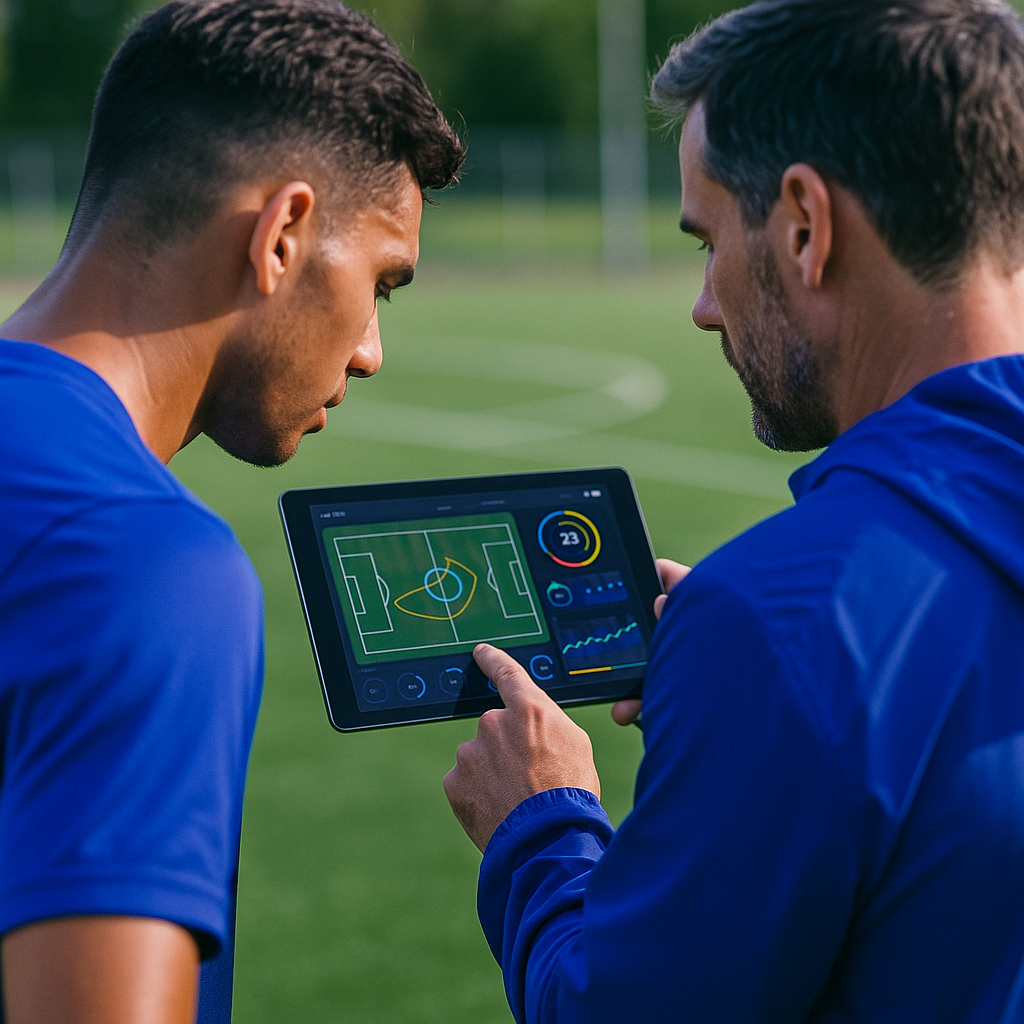
College soccer performance optimization must therefore include deliberate video workandstructured self‑analysis. How to Structure Weekly Video Work
A simple framework: – 10–15 minutes: Self clips- Focus on 1–2 themes per week (e.g., pressing triggers, receiving between lines) -10–15 minutes: Team clips- Understand collective patterns in and out of possession -5–10 minutes: Best‑in‑class models- Watch top NCAA or pro players in your role Use your coaching staff’s resources first, then supplement with external analysis like:
- NCAA Women’s Soccer Insights: What Smart Professionals Need to Know About the Modern College Game
- College Soccer Tactics and Strategy: A Step‑by‑Step How‑To Guide for Winning at the NCAA Level
Self‑Analysis Questions to
Ask on Every Clip –Before the ball arrives– What was my starting position?
- Could I have checked my shoulder earlier?
- Was I on the half‑turn or square? –At the moment of decision– Did I recognize the best option quickly?
- Did my body shape allow me to execute it? –After the action – How did my reaction help or hurt the next phase? ## Individual vs.
Team Analysis Focus
Focus Area
Individual Player Lens Team Lens