 By
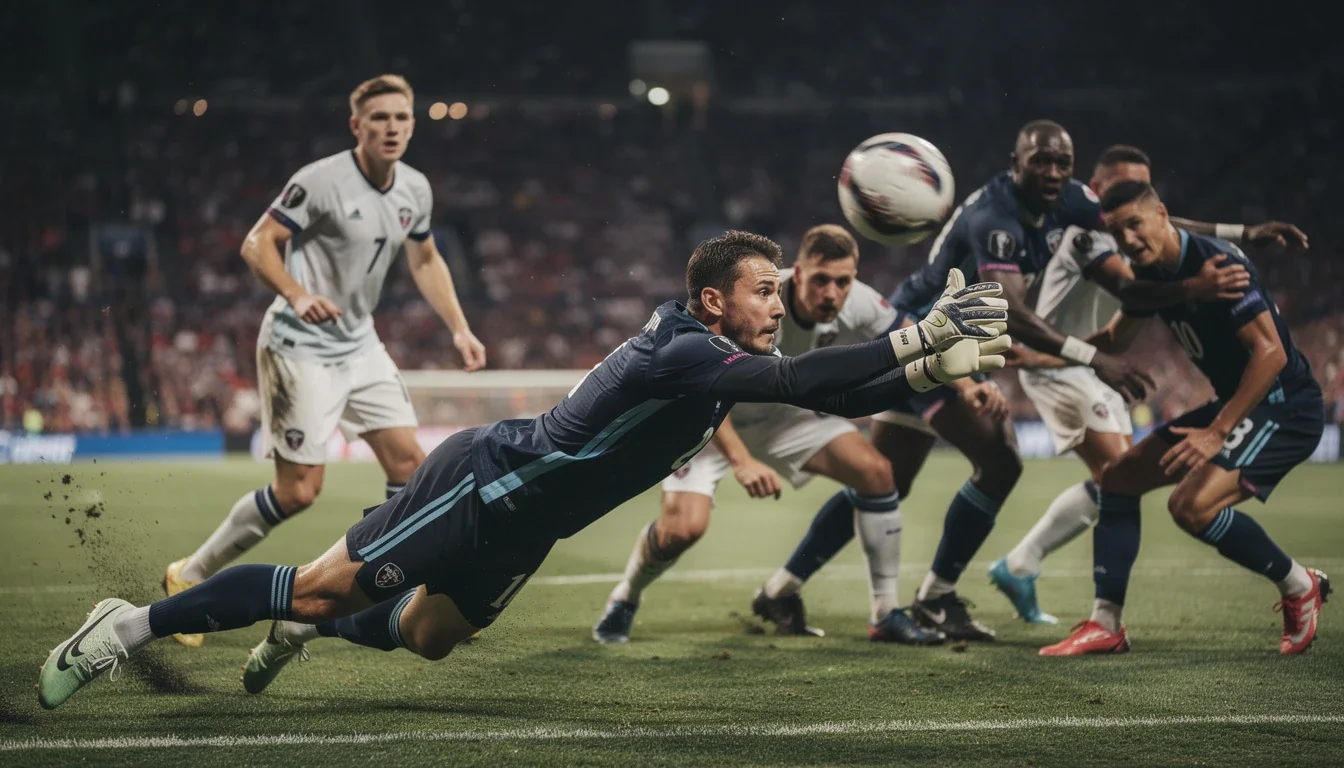
ByThe goalkeeper is soccer’s solitary sentinel, facing a unique set of challenges that shape not just games, but entire seasons. At the NCAA Division 1 level, this pressure is magnified by athleticism, tactical nuance, and relentless competition. For aspiring and current college keepers, understanding the distinct demands of this role is essential—not just to survive, but to thrive on the touchline. Today, we’ll dive deep into what it takes to stand tall between the posts in Division 1, exploring the technical, mental, and developmental hurdles that every serious goalkeeper must master.
The Technical Demands: Beyond Shot-Stopping
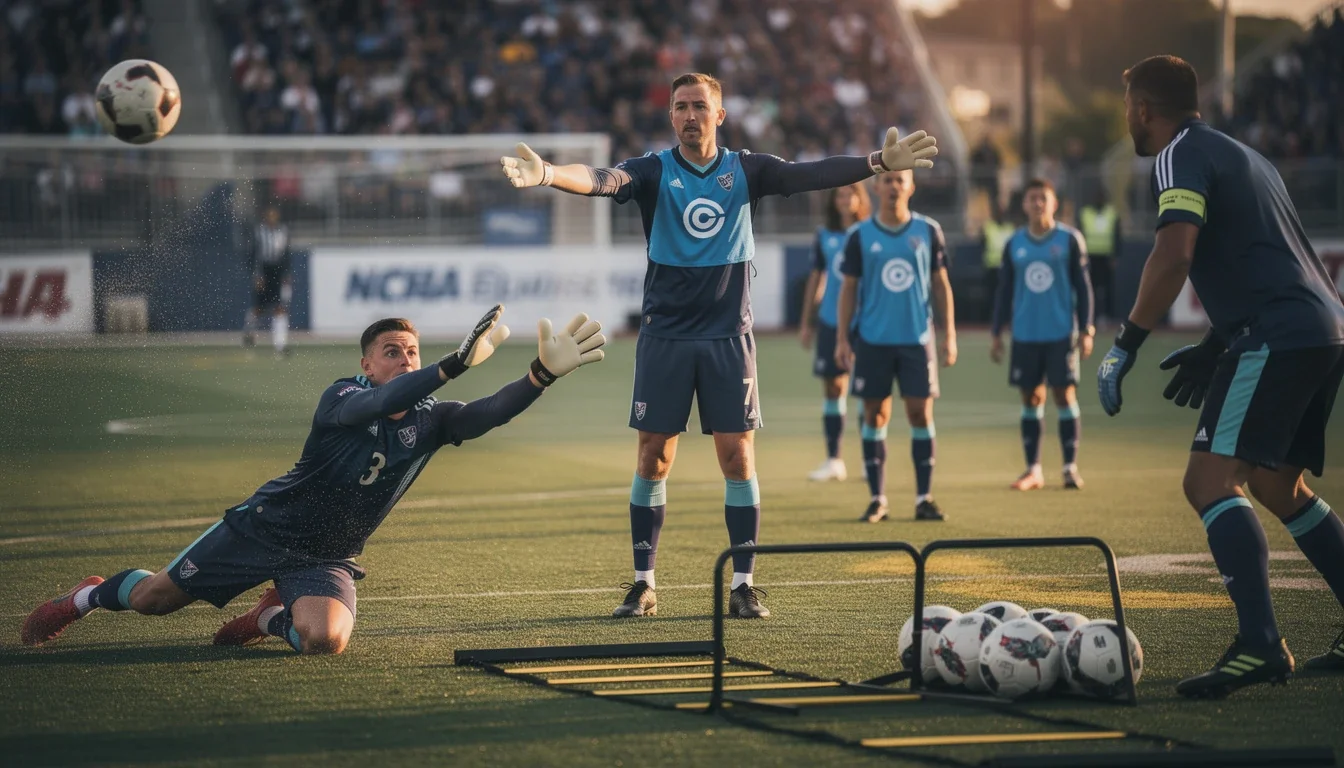
Ask any seasoned coach or player—goalkeeping in Division 1 is about far more than spectacular saves. Yes, reflexes are critical, but the modern D1 keeper faces sophisticated attacking schemes, rapid ball movement, and a constant expectation to be a “sweeper-keeper,” adept with both hands and feet.
Distribution is now non-negotiable. Coaches build from the back, requiring keepers to play short, precise passes under pressure, or launch pinpoint long balls to trigger counterattacks. Your first touch, passing range, and decision-making under duress are scrutinized daily in training and in matches.
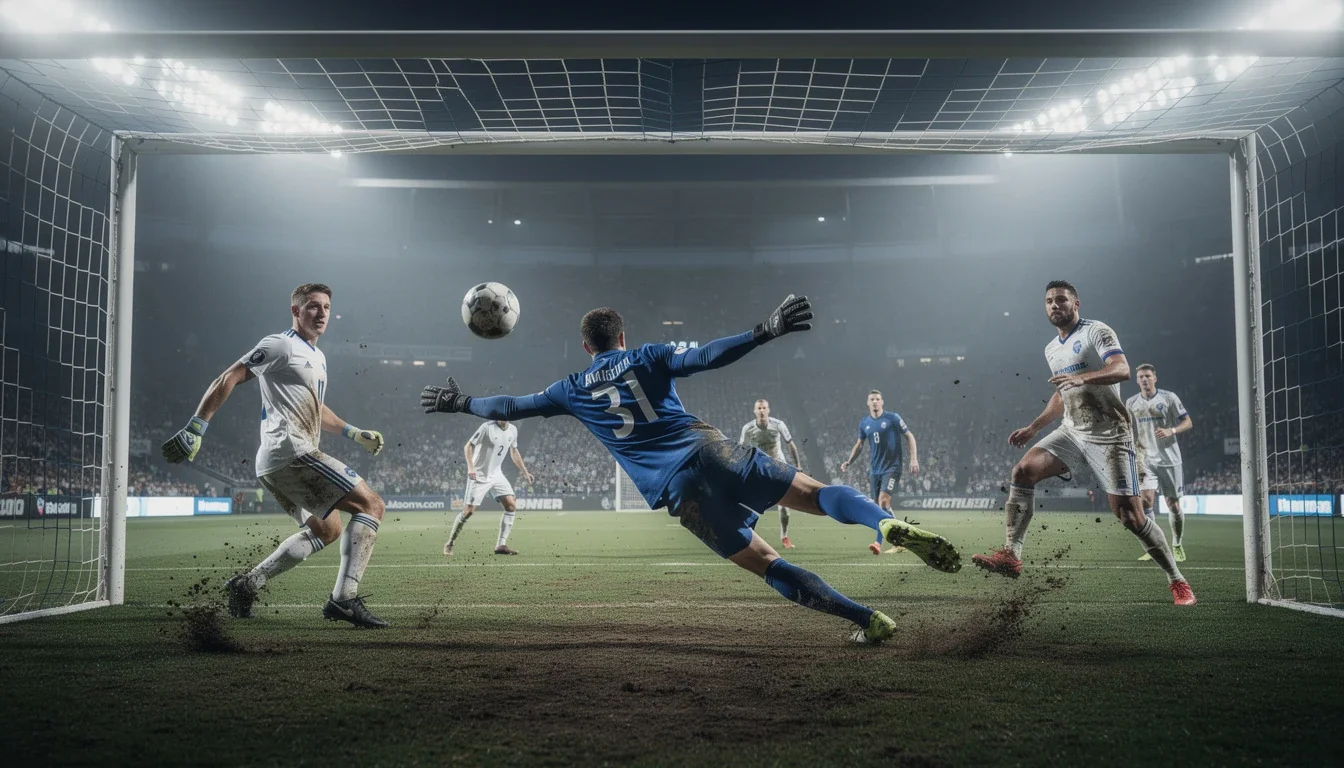
Shot-stopping itself is evolving, too. Attacks are faster, with more varied angles and unpredictable finishes. Keepers must master advanced positioning, read shooters’ body language, and react instantly to deflections and rebounds. Set pieces demand clear communication and flawless timing—one mistimed punch or poorly organized wall can be the difference in a tight conference game.
Pro tip: In the off-season, work on your weak foot as diligently as your dominant one. Coaches notice keepers who can play out evenly on both sides, opening up the field and elevating your value.
Mental Toughness Under The Spotlight
If the technical side is demanding, the psychological burden can be even heavier. In D1 soccer, every mistake is magnified—by coaches, teammates, and the ever-present camera. One lapse in concentration or misjudged cross might cost not just a game, but postseason dreams.
Goalkeepers need short memories and long attention spans. It’s about handling pressure, rebounding after errors, and maintaining laser focus for 90+ minutes, even when you might go stretches without direct action. The best keepers develop routines to reset after goals or near-misses—deep breathing, strong self-talk, or mental cues that signal the next play.
Leadership is integral here. You’re the eyes of the defense, constantly organizing, directing, and motivating. A vocal, confident presence can lift your back line and instill calm during chaotic moments. Conversely, visible frustration or panic can ripple through the team, eroding trust.
Pro tip: Develop a pre-game mental checklist. Visualization, breathing routines, and positive affirmations can help you enter matches with a clear head and steady nerves, making you a reliable anchor no matter the stakes.
Adapting To Tactical Complexity
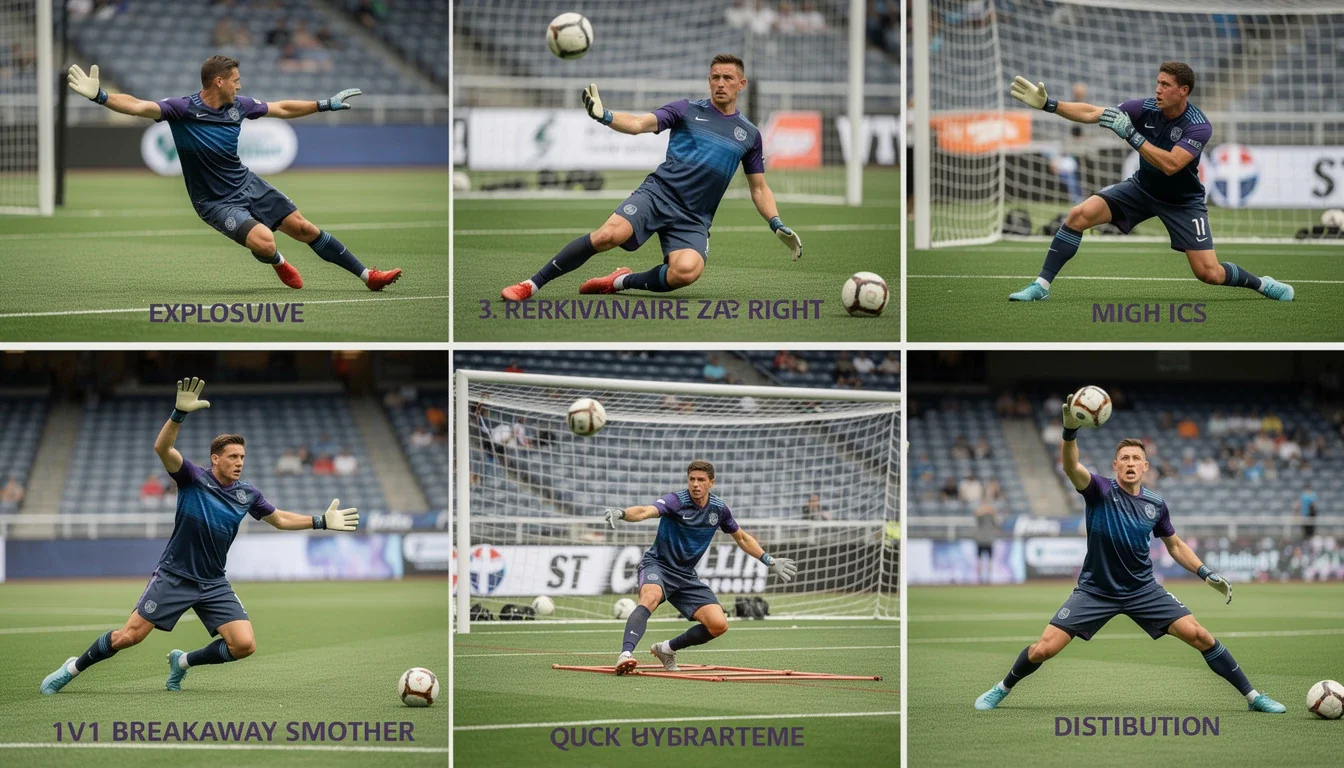
Division 1 soccer is a melting pot of styles. One weekend, you’ll face a high-pressing, direct team; the next, a patient, possession-based attack. For keepers, this means constant preparation and adaptability.
You’ll study film, break down opponent tendencies, and adjust your positioning and communication based on whether you’re facing a physical striker or a quick, technical front line. Some matches require you to play higher off your line, acting as a sweeper to cut out through balls. Others demand deep positioning, bracing for long-range shots or set-piece barrages.
Your relationship with defenders is crucial. Trust and understanding must be built so you know when to come out, when to stay, and how to coordinate transitions. This isn’t just about shot prevention—it’s about initiating attacks, managing tempo, and making tactical decisions in real time.
Pro tip: Take advantage of team video sessions. Don’t just watch your own highlights—study top goalkeepers, noting how they adapt to different systems and attackers. The more tactical scenarios you can visualize, the more prepared you’ll be on game day.
The Physical Edge: Training And Recovery
The college soccer calendar is relentless. With matches packed into a short season, keepers must balance intense training with smart recovery to avoid burnout and injury. The physical demands are unique—you’re diving, jumping, and changing direction at a moment’s notice, often colliding with opponents or landing awkwardly.
Strength and agility are key, but so is flexibility and injury prevention. Top D1 programs emphasize strength-and-conditioning tailored for keepers: plyometrics, core stabilization, and explosive movements that translate directly to the box. Recovery protocols—stretching, ice baths, sleep, and nutrition—are just as critical, especially during congested fixture lists.
Injuries, unfortunately, are part of the position. Finger sprains, shoulder knocks, and lower back issues are common. The mental challenge here is maintaining sharpness during rehab and returning to play with confidence.
Pro tip: Make mobility and flexibility—especially in hips and shoulders—a year-round priority. Extra time with a foam roller or resistance bands can be the difference between a healthy season and a nagging injury.
The Recruiting And Transfer Portal Challenge
Getting—and keeping—a starting spot as a Division 1 goalkeeper is fiercely competitive. With only one keeper on the field, opportunities are scarce and the margin for error is slim. Add in the rapidly evolving transfer portal, and you have a landscape where jobs can change hands overnight.
For prospects, recruiting is about more than highlight reels. Coaches look for technical skill, but also maturity, coachability, and a proven track record of improvement. The ability to handle adversity—whether that’s losing the starting job, redshirting, or adapting to a new program after a transfer—often separates those who flourish from those who fade.
The portal has changed everything. If you’re not performing or if you’re stuck behind a standout upperclassman, you may face tough decisions about your future. Navigating the portal requires honesty, research, and a willingness to adapt. Sometimes, a fresh start can reignite your career; other times, it’s about grinding out your role and waiting for your chance.
Pro tip: Build relationships with your coaches and always seek honest feedback. If you’re considering a transfer, look for programs that align with your playing style and long-term goals—not just immediate playing time.
Developing The Complete Keeper
Ultimately, success as a Division 1 goalkeeper means embracing the role’s complexity. You’re not just a shot-stopper—you’re a leader, a tactician, an athlete, and a student of the game. The path is demanding, but it’s also deeply rewarding for those willing to master each layer.
Seek out mentors, lean on your goalkeeper union, and never stop learning. Whether it’s refining your footwork, expanding your tactical understanding, or developing resilience after a tough outing, incremental progress is the key. The challenges are real, but so are the opportunities—each save, each clean sheet, and each leadership moment is a building block towards a memorable college career.
Pro tip: Keep a training journal. Record your strengths, weaknesses, and goals each week. Tracking your progress keeps you accountable and focused, and helps you see how far you’ve come—especially on tough days.
Related Articles
Conclusion
Being a Division 1 goalkeeper is one of the most demanding and misunderstood roles in college sports. It’s a test of skill, mind, and character, requiring constant adaptation and growth. At College Touchline, we know the challenges are immense, but so are the rewards. For aspiring keepers and their supporters, understanding these hurdles is the first step toward mastering them. Embrace the grind, stay curious, and remember: every great team is built on the confidence and courage of its last line of defense.