 By
ByThere’s a certain electricity on the pitch when possession flips and both teams scramble to seize the moment. In NCAA Division 1 soccer, transition attacks are no longer just a flash of chaos—they’re meticulously planned opportunities that decide big matches. As we look toward the 2026 season, College Touchline is diving deep into how elite college teams are innovating in transition, which trends are emerging, and how players and coaches can optimize this critical phase. If you’re serious about staying ahead, understanding the nuances of transition play isn’t optional—it’s essential.
Understanding Transition Moments

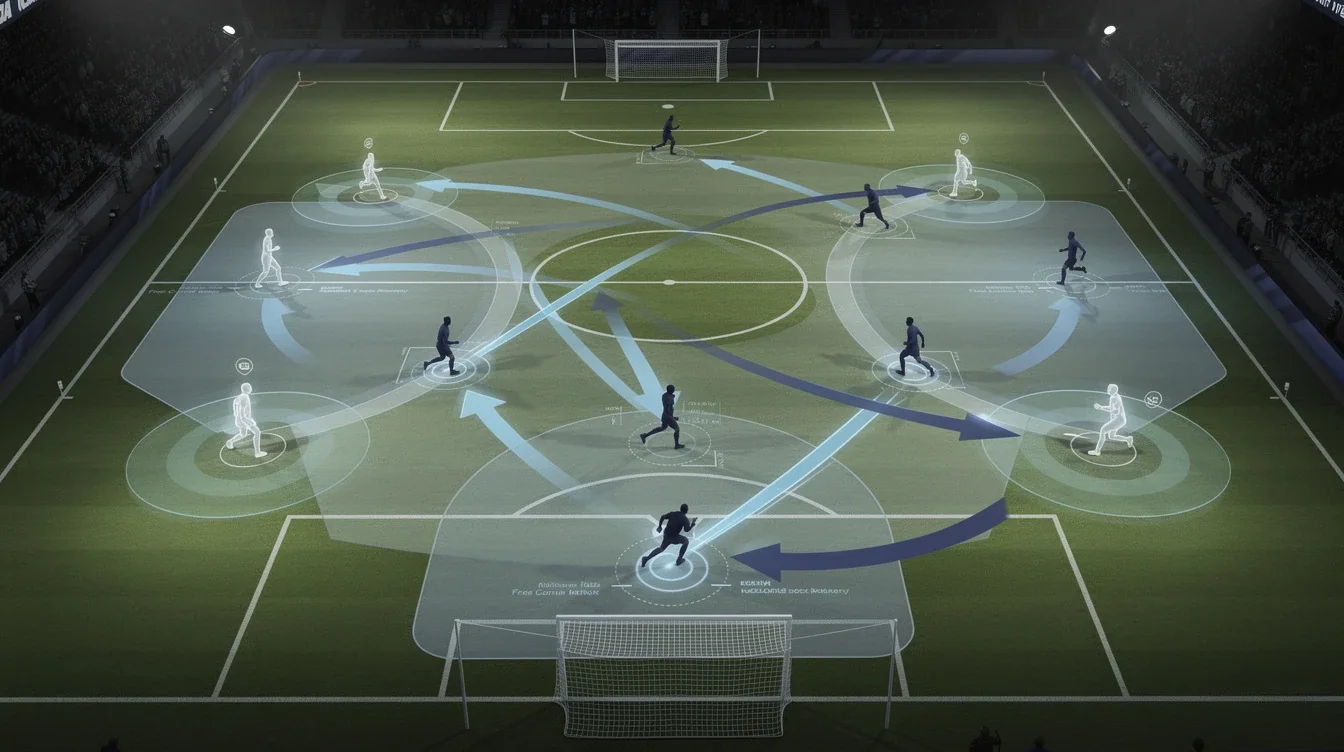
Transition moments—when a team regains possession and shifts instantly from defense to attack—are the heartbeat of modern NCAA soccer. These moments can last a few seconds, but their impact is outsized. In the 2026 landscape, we’re seeing faster, more coordinated transition attacks thanks to improved athleticism and tactical awareness.
Most transition attacks begin with a defensive intervention: an interception, a tackle, or a forced error. The immediate decision-making—whether to counter quickly or retain possession—depends on field positioning, player roles, and the opponent’s structure. In the NCAA, where athleticism is at a premium, teams often look to exploit these split-seconds, catching defenses before they can regroup.
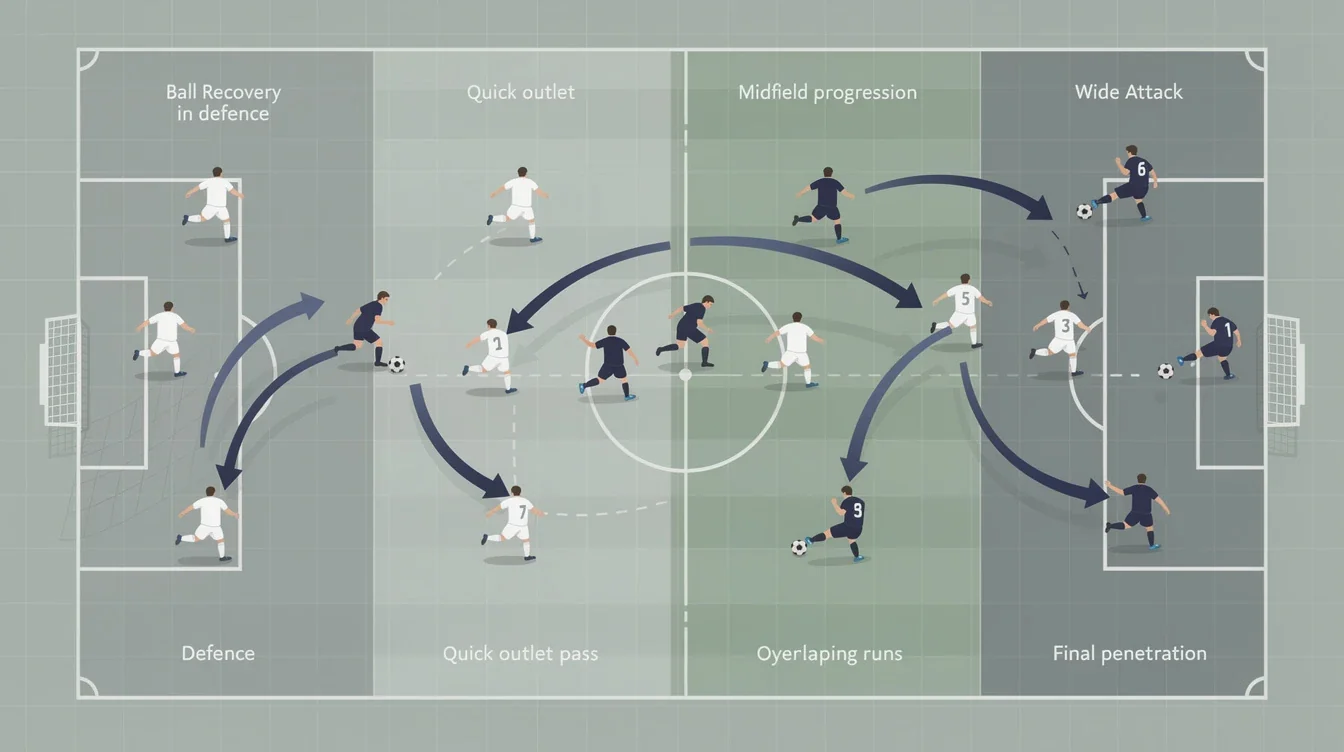
Top programs are now training players not just to win the ball, but to immediately scan for outlets and advance with urgency. The first three passes after possession change are crucial, often dictating whether an attack fizzles or becomes a high-quality chance.
Pro tip: Coaches, emphasize “transition triggers” in training—help players recognize and react to specific cues for lightning-fast counters.
Tactical Trends in 2026 Transitions
The 2026 NCAA season is showcasing several distinct tactical evolutions in transition play. First, we’re seeing more teams committing numbers forward on the break. The old adage of “two or three on the counter” is giving way to five or even six players flooding forward, especially when defending with a compact block that draws opponents higher up the pitch.
Additionally, there’s a growing emphasis on positional fluidity. Midfielders and even outside backs are encouraged to join the attack if the moment is right, trusting that the team’s defensive structure will adapt behind the ball. This flexibility is supported by detailed pre-match scouting and in-game data, which inform players about when and where to take calculated risks.
Another key trend is the use of the “third man run”—a player who isn’t directly involved in the initial pass but makes a forward run to receive the ball in space. These runs are particularly effective against teams that press aggressively but leave gaps in their shape during defensive transitions.
Pro tip: Players, develop your awareness off the ball. Often, the most dangerous run is the one defenders don’t see coming.
Player Profiles: Who Thrives in Transition?
Not every player is built for transition-heavy soccer. The best transition attackers in the NCAA share a few critical attributes: speed, decision-making, and spatial awareness. But it goes deeper than pure athleticism.
Central midfielders who can win the ball, turn under pressure, and deliver incisive passes are invaluable. Wingers and forwards with the acceleration to break defensive lines—and the composure to finish—are always in demand. Increasingly, outside backs who can overlap or underlap, providing width and unpredictability, are becoming essential to transition play.
Intelligence is just as important as physical traits. Players who can anticipate the next phase, read opponents’ intentions, and make the right choice under pressure stand out in recruiting and transfer evaluations.
Pro tip: Aspiring recruits, highlight your transition skills in game film—coaches are actively seeking players who shine when the game is at its fastest.
Coaching Strategies for Fast Breaks
Coaches at the NCAA Division 1 level are retooling their training sessions to maximize transition moments. Small-sided games with numerical imbalances, high-intensity pressing drills, and scenario-based scrimmages are all designed to simulate the chaos of a live turnover.
One popular approach is the “transitional rondo,” where players must win the ball back and immediately spring into attack, targeting mini-goals or specific zones. These drills emphasize quick thinking and coordinated movement, not just raw speed.
Coaches are also spending more time on “rest defense”—the structure the team maintains while attacking, ensuring enough players are in position to snuff out counterattacks if possession is lost. The best programs treat attack and defense as two sides of the same coin, with transitions as the hinge point.
Pro tip: Coaches, film your training sessions and review transition moments with players—visual learning cements tactical habits.
Scouting and Recruitment Implications
For serious college soccer players and coaches, understanding transition dynamics can be a game-changer in the recruitment process. More and more, college scouts are evaluating prospects by how they perform during fast transitions, not just their technical skills in settled play.
Players who consistently win duels, make progressive passes, or execute clever runs in these moments are standing out. This is especially true in high-profile showcase tournaments, where the speed and unpredictability of the game mirror NCAA competition.
From a coaching perspective, it’s critical to project how a recruit’s transition skills will fit into your system. Does an outside back have the engine and tactical sense to bomb forward then recover? Can a center forward press aggressively, then exploit space behind a retreating defense? These questions are shaping scholarship offers and transfer portal targets for 2026 and beyond.
Pro tip: Recruits, during campus visits or calls, ask coaches about transition philosophies—show you’re thinking about the game’s fastest phase.
Performance Metrics and Data Analysis
Data is revolutionizing how NCAA programs dissect transition attacks. In 2026, leading teams are tracking everything from “seconds to chance” (how quickly a shot is generated after winning the ball) to “expected threat” values assigned to transition actions.
Video analysis tools are breaking down individual contributions: recoveries, first-pass completion, and off-ball sprints. This granular approach helps coaches fine-tune training and tailor instructions to specific players.
Performance metrics also spotlight areas for improvement. For example, a team might create lots of transition opportunities but convert too few into shots—indicating a need for better decision-making or support runs. Conversely, a team that’s vulnerable to conceding in transition might need to adjust its “rest defense” structure or work on recovery sprints.
Pro tip: Players, familiarize yourself with basic transition analytics—knowing your numbers can help you target development and impress data-savvy coaches.
Conclusion
Transition attacks are no longer secondary—they’re central to success in NCAA Division 1 soccer. As we approach the 2026 season, the best programs and players are those who treat transitions as a science and an art: blending speed, intelligence, and tactical discipline. Whether you’re a player aiming for the next level, a coach building a powerhouse, or a fan hungry for deeper understanding, mastering transition play is your ticket to the modern college soccer conversation. Stay sharp, stay curious, and keep pushing the pace—because in the world of NCAA soccer, the game’s biggest moments are born in transition.