 By
ByThe landscape of NCAA Division 1 soccer is changing fast, and nowhere is that more obvious than in how smaller programs recruit talent. Gone are the days when limited budgets and regional connections alone determined which players would suit up for mid-major or less-heralded D1 teams. Today, technology is leveling the playing field, offering coaches and players alike new ways to get noticed, evaluated, and ultimately, recruited. At College Touchline, we’ve watched the data revolution from the front row—and in this deep dive, we’ll explore how forward-thinking programs are using tech to compete with the giants.
The Old Rules: Geography and Gut Instinct
For decades, the recruiting process at smaller D1 schools was shaped by geography, personal networks, and a fair bit of gut feeling. Coaches would pound the pavement at regional tournaments, leaning on trusted club connections and word of mouth. Budgets dictated travel radius, so unless you were a standout at a major showcase or had the right contacts, your chances of being discovered by a smaller D1 school were slim.
This system favored players in soccer-rich regions and left a lot of hidden talent unseen. Even when video became more common, most programs lacked the resources for thorough film analysis or widespread scouting travel. The result? Missed opportunities on both sides—coaches passed on potential game-changers, and players missed out on scholarships and the right fit.
Pro tip: If you’re a player outside traditional recruiting hotbeds, don’t assume you’re invisible—technology is changing the map.
The Digital Shift: Video, Data, and Platforms
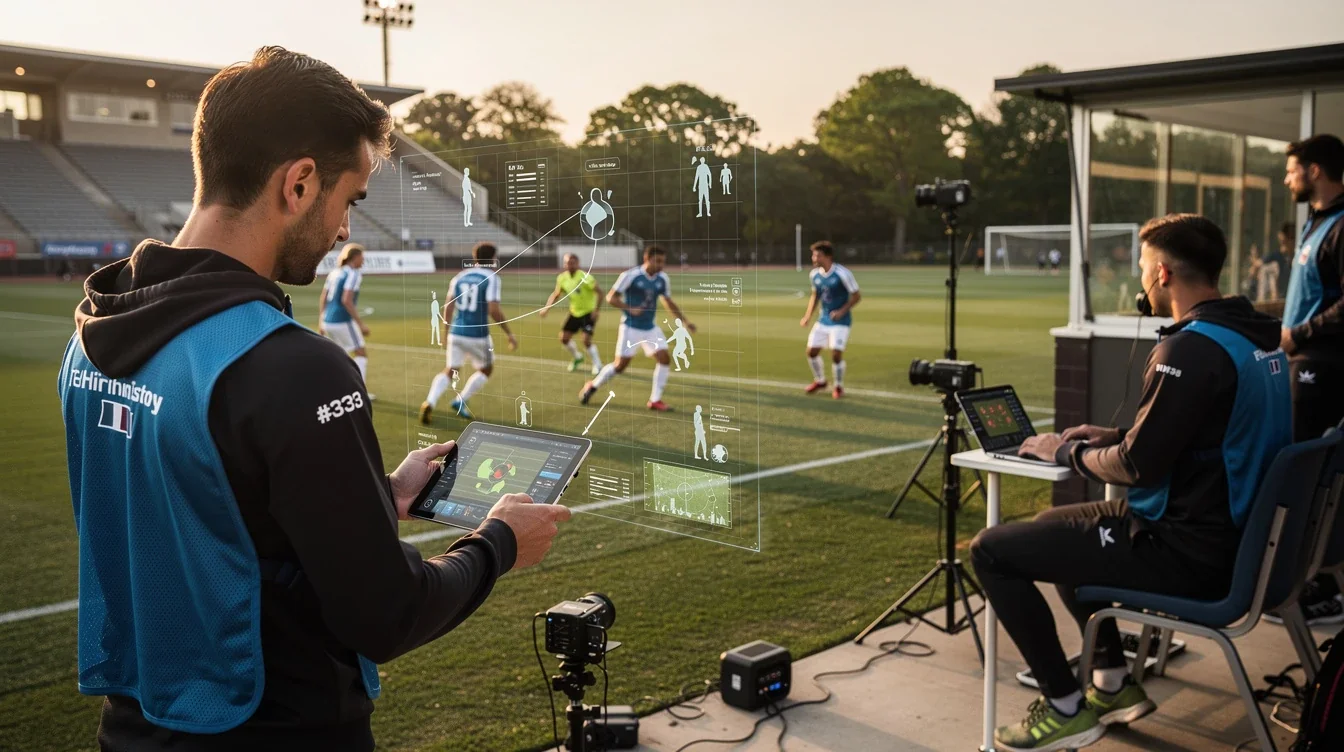
Enter the digital era. In the last five years, the explosion of accessible video platforms, advanced analytics, and digital recruiting tools has shattered those old limitations. Now, high-quality game film, statistical breakdowns, and player profiles are just a few clicks away for any coach with a laptop.
Hudl, InStat, and similar platforms have democratized access to player video, allowing coaches at smaller D1 schools to scout talent nationwide—or even internationally. They can filter by position, style, or specific metrics, then review hundreds of hours of film without leaving their office. That means a promising winger from Idaho or an overlooked center back from rural Georgia has a real shot at being seen.
But it’s not just video—data analytics are fast becoming the secret weapon of savvy recruiters. These tools allow coaches to dive into granular performance metrics: progressive passes, defensive positioning, sprint speed, and more. The result? More objective evaluations and a better shot at identifying players whose skill sets fit the program’s style and needs.
Pro tip: Players should invest time in building digital profiles and highlight reels that showcase both technical skill and soccer IQ—coaches are watching, and details matter.
Social Media: The New Recruiting Highway
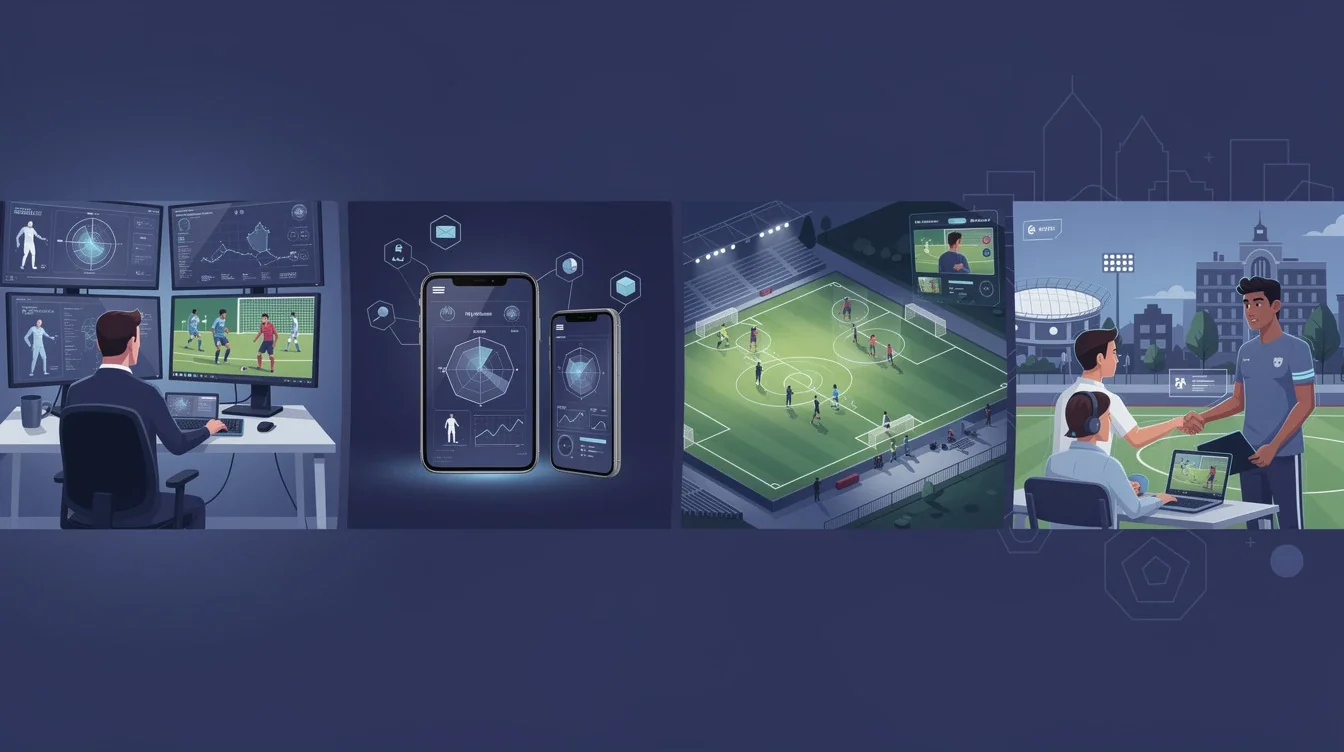
If video platforms are the backbone of tech-driven scouting, social media is its beating heart. Twitter, Instagram, and even TikTok have become powerful tools for players to share highlights, connect with coaches, and build their personal brand. For resource-strapped programs, social media can act as a shortcut to talent discovery—coaches can quickly spot viral clips, follow player journeys, and even reach out directly.
The informal nature of social media also helps bridge the gap between staff and recruits, allowing for authentic dialogue and a better sense of a player’s personality and leadership qualities. In some cases, a single well-edited highlight reel or personality-driven post can spark a conversation that leads to an offer.
Of course, the open nature of social media means both players and coaches need to be strategic—what you post, how you communicate, and the image you project all matter.
Pro tip: Keep your social channels updated, professional, and authentic. Coaches will check them, and a consistent online presence can tip the scales in your favor.
Analytics and Data: Smarter, Not Harder
While the bluebloods of college soccer have long had access to advanced analytics departments, the recent development of more affordable and user-friendly data platforms has brought those same tools to smaller D1 programs. Today, even mid-major staffs can analyze matches with heat maps, expected goals (xG), pressing efficiency, and passing networks.
This data-driven approach allows coaches to target recruits whose playing profiles fit their tactical needs. For example, a program that presses high might look for midfielders with elite stamina and pressing numbers, while a possession-based team will scout for defenders with passing accuracy and composure under pressure.
For players, understanding and highlighting these advanced metrics can be a game-changer. When you know what a program values—and can show you excel in those areas—you’re speaking the language of modern recruiting.
Pro tip: Brush up on soccer analytics and learn to interpret your own numbers. Being able to discuss your xG contribution or passing map in an interview sets you apart.
Leveling the Playing Field: What This Means for Players and Coaches
The tech-driven scouting revolution is a boon for both sides of the recruitment equation. Smaller D1 programs no longer have to settle for leftovers after the Power Five programs make their picks. With the right tools, they can identify undervalued talent and build rosters that compete toe-to-toe with bigger names.
For players, the message is clear: you can control your exposure more than ever before. By proactively sharing your film, stats, and story online, you put yourself in front of coaches who might never have known you existed. And because tech makes it easier to find the right fit, you’re more likely to land at a program that matches your ambitions and playing style.
It’s also worth noting that the transfer portal, another tech-driven development, is reshaping rosters and offering second chances to both athletes and coaches. Access to detailed player histories and performance analytics helps programs make smarter transfer decisions, often leading to immediate impact signings.
Pro tip: Don’t assume “smaller D1” means lower competition or fewer opportunities—many of these programs are using tech to punch above their weight.
The Future: AI, Virtual Reality, and Beyond
We’re just scratching the surface of what technology can do for D1 soccer recruiting. Artificial intelligence is already being used to flag patterns in player movement and predict future performance, while virtual reality training and assessment tools are starting to appear in some forward-thinking programs.
In the coming years, expect to see even more integration—automated scouting reports, personality assessments powered by machine learning, and immersive video experiences that allow coaches to “see” a player in a simulated match environment. For smaller schools, these advances mean even more opportunities to find the right players and develop them to their full potential.
But as always, technology is just a tool—it can amplify good processes and expose bad ones. The programs that succeed will be those that blend human insight with digital innovation, creating a holistic view of each recruit.
Pro tip: Stay curious about new tech tools and trends—they’ll shape not just how you get recruited, but how you develop as a player.
Conclusion
The era of technology-driven scouting is here, and it’s rewriting the rules for smaller D1 soccer programs and the players they recruit. By embracing digital platforms, advanced analytics, and social media, coaches can uncover hidden gems and build more competitive teams. For athletes, taking charge of your digital footprint and understanding the metrics that matter can open doors you never imagined.
At College Touchline, our advice is simple: lean into this new landscape, stay informed, and use every tool at your disposal. The next breakthrough recruit—or the next big win—could be just a click away.