 By
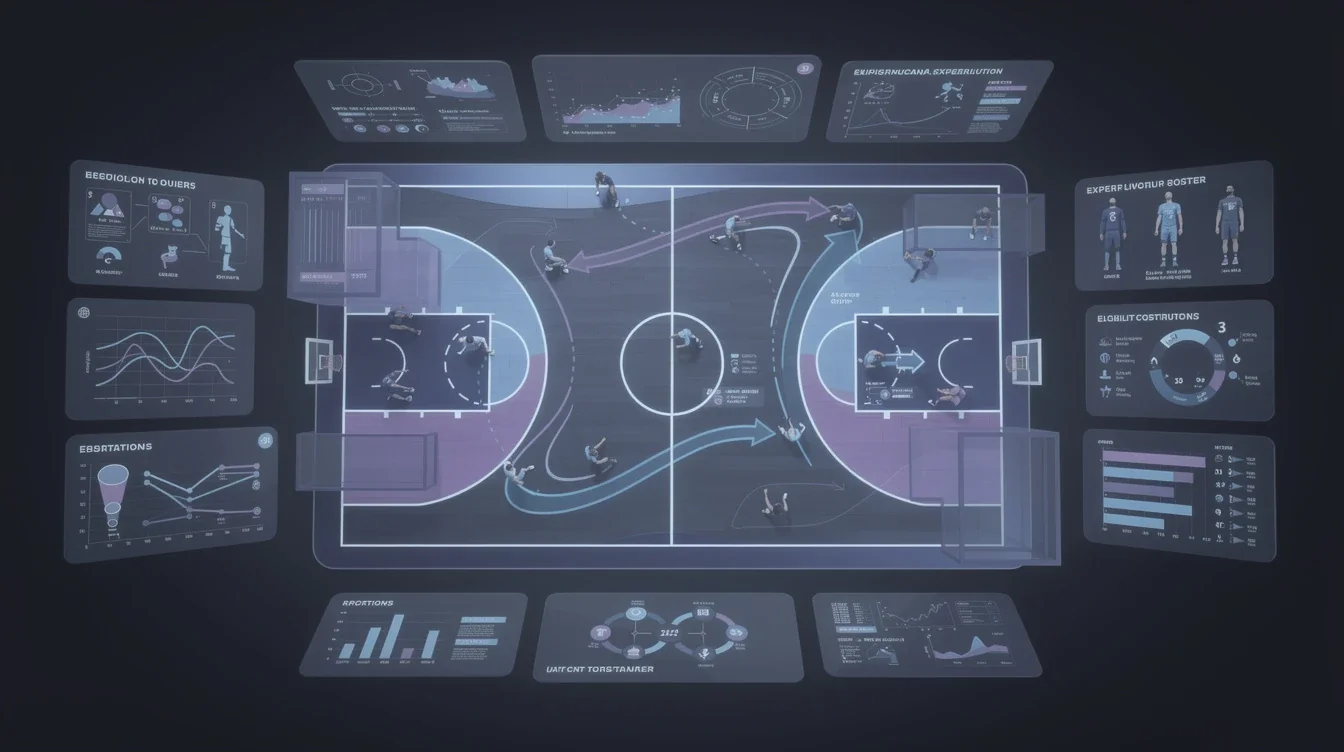
ByChange is a constant in NCAA Division 1 soccer, but few shifts have the power to shape the on-field product like roster rule adjustments. As we look toward the 2026 season, evolving NCAA roster regulations are set to reshape tactical thinking across the college game. Whether you’re a coach plotting your next recruiting move, a player eyeing a spot in the starting XI, or a fan dissecting each substitution, understanding how these rules impact strategy is key. Let’s break down what the new roster rules mean for team tactics, squad depth, and player development on the touchline.
The 2026 Roster Landscape: What’s Changing
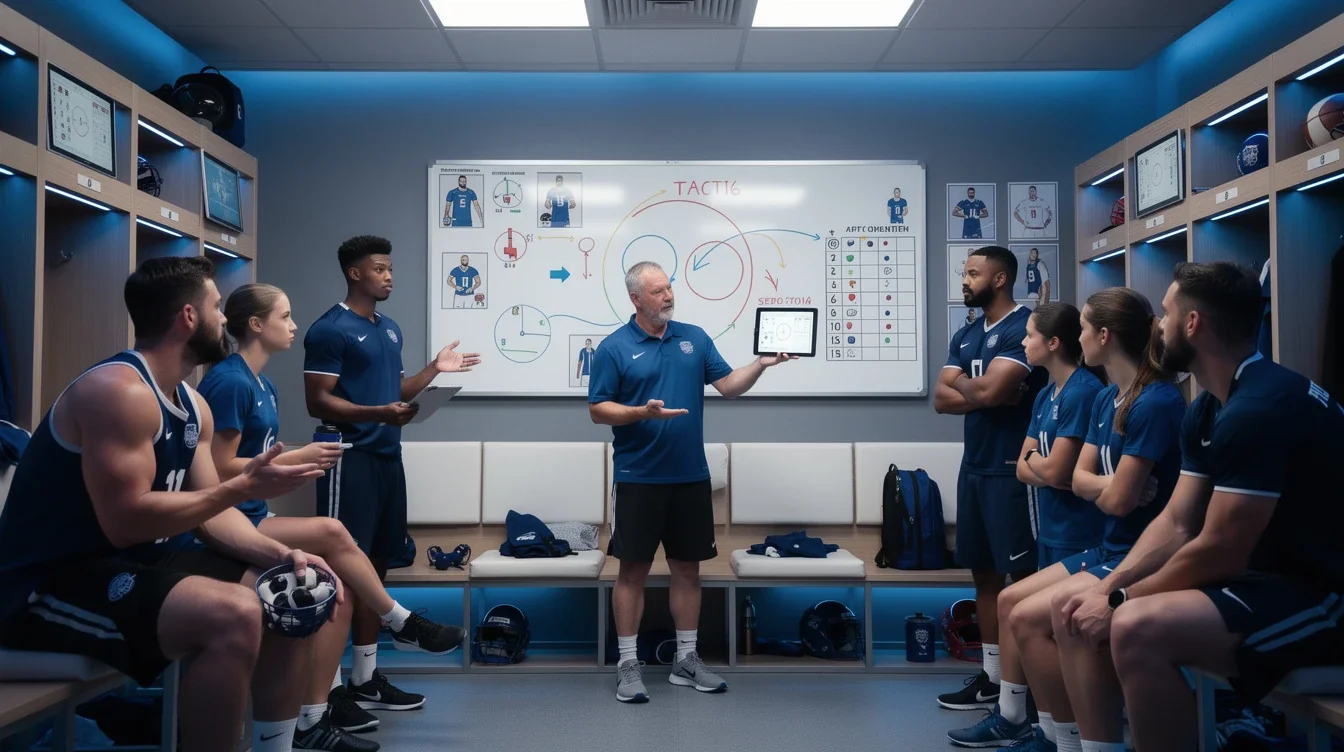
The NCAA’s recent updates to roster limits and eligibility rules aren’t just administrative tweaks; they’re strategic game-changers. In 2026, we’ll see a shift toward more standardized roster sizes, tighter scholarship allocations, and clearer guidelines on in-season squad registration. Most notably, the cap on active matchday rosters is moving to 22 players, with stricter enforcement of the 14-scholarship limit and renewed emphasis on the transfer portal and redshirt management.
This new landscape means coaches can no longer simply stockpile talent or hedge their bets with large, bloated squads. Every spot on the roster—from the starting goalkeeper to the last bench option—must be justified by tactical purpose and developmental potential. Recruitment strategies are evolving too, with a premium placed on versatile, multi-position players who can contribute in multiple roles over the course of a demanding season.
Pro tip: When evaluating recruits, prioritize technical adaptability and tactical intelligence. The more positions a player can cover, the more valuable they’ll be within roster constraints.
Squad Depth: Quality Over Quantity
With the 22-player matchday cap, the days of deep benches stacked with specialist substitutes are fading. Coaches must now cultivate a core group of players who can shoulder heavy minute loads while still providing tactical flexibility.
This shift places a higher premium on player fitness, durability, and the ability to execute multiple tactical instructions. For example, a wide midfielder who can invert into central areas or cover at fullback becomes invaluable. Injuries or suspensions take on greater significance, as there are fewer like-for-like replacements available.
Teams are also rethinking how they structure their second units. Instead of carrying multiple “project” players who may not contribute right away, programs are focusing on immediate-impact transfers or proven upperclassmen who can step in and deliver high-level minutes in a pinch. The transfer portal, with its streamlined eligibility rules, is now a critical tool for filling roster gaps quickly and efficiently.
Pro tip: Use spring and non-conference matches to experiment with depth options and positional rotations. Building tactical trust in your “next man up” is essential with a tighter roster.
Tactical Flexibility: Adapting to Constraints
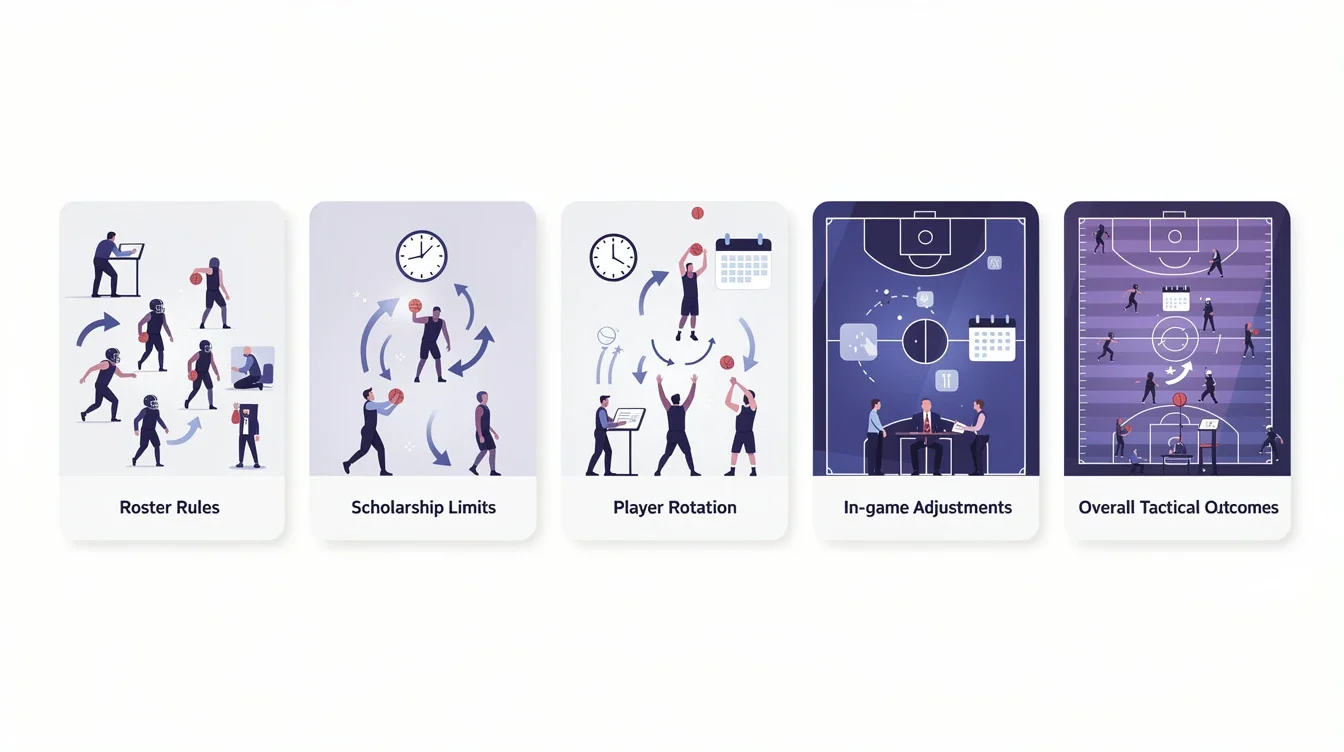
With fewer bodies to work with, tactical flexibility is no longer a luxury—it’s a necessity. Coaches must now design systems that maximize output from a condensed roster, often relying on players to shift roles mid-match or even within phases of play.
Formations are trending toward those that offer natural cover and balance. For instance, a 4-2-3-1 or 3-4-3 allows for seamless transitions between attack and defense without wholesale personnel changes. Expect to see more hybrid roles—defenders stepping into midfield, wingers dropping into wingback positions—especially late in games when legs get heavy.
Set-piece tactics are evolving too. With less height or physicality available on the bench, coaches are crafting routines that exploit technical mismatches or late-arriving midfield runners rather than sheer aerial dominance. Managing substitutions becomes more of a chess match, with every change scrutinized for both its immediate and long-term tactical impact.
Pro tip: Spend extra time on tactical periodization in preseason. The more automated and flexible your core principles, the easier it’ll be to adapt during the season with a leaner squad.
Player Development and Redshirt Strategy
Perhaps the most underappreciated impact of the roster rules is on player development. With fewer freshman “learning minutes” available, coaches must be more intentional about redshirting, game exposure, and individualized training plans.
Redshirt decisions are now more strategic than ever. Coaches weigh the immediate value of a freshman’s limited minutes against the long-term benefit of an extra year of development and eligibility. Expect to see more creative use of redshirt windows and targeted game appearances to maximize growth without burning a year of eligibility.
Developmental focus is also shifting. Players who might previously have seen sporadic minutes are now undergoing tailored training to prepare them for specific tactical roles—think a midfielder cross-training as an emergency center back, or an attacking winger learning defensive responsibilities.
Pro tip: Foster a “next man up” culture in your squad. Make sure your developmental players are fully integrated into tactical sessions and match preparation, so they’re ready to contribute when called upon.
The Transfer Portal: A Tactical Lifeline
The transfer portal’s influence on roster management is only growing. With immediate eligibility more common in 2026, coaches are using the portal as a tool to address specific tactical needs or cover unexpected departures.
The key is to treat transfers not just as “gap fillers,” but as strategic assets who bring experience and tactical nuance. Programs that succeed in the portal are those with clear tactical identities—they know what kind of player fits their system and culture, and they target accordingly.
For student-athletes, understanding a prospective team’s tactical setup and roster needs is crucial. The best transfers aren’t just chasing playing time; they’re seeking environments where their skill set is valued and their role is clearly defined.
Pro tip: For players eyeing the portal, develop a highlight reel that showcases your tactical versatility—not just your best goals or saves, but your ability to adapt to multiple systems and roles.
Recruiting for the Modern Roster
Recruiting has always been the lifeblood of college soccer, but the new roster rules make it even more of a chess match. Coaches are now looking beyond raw talent, instead targeting players who fit their tactical vision and can step in as multi-role contributors.
Evaluations are more granular. Technical ability, tactical intelligence, and coachability are weighed alongside athleticism. The emphasis is on players who can handle the physical and mental demands of a compressed roster—those who recover quickly, communicate effectively, and make good decisions under pressure.
For recruits, understanding a program’s tactical philosophy is just as important as scholarship offers or facilities. Ask questions about how the staff sees you fitting into their system, what roles you might play, and how they plan to develop your game over four years.
Pro tip: During the recruiting process, ask coaches for game film that illustrates their preferred tactics. The more you understand their system, the better you can tailor your development and highlight your fit.
Conclusion
The 2026 NCAA roster rules are more than just administrative guidelines—they’re the new battleground for tactical innovation and team building in Division 1 soccer. Coaches, players, and fans who understand these changes will have a decisive edge, whether it’s crafting a flexible matchday squad, navigating the transfer portal, or making critical recruiting decisions.
At College Touchline, we believe that high-level soccer starts with high-level understanding. Stay tuned as we continue to break down the trends, opportunities, and tactical nuances shaping the future of the college game. The roster may be smaller, but the possibilities for smart, strategic soccer have never been bigger.