 By
ByFor NCAA Division 1 soccer, the bright lights often shine on powerhouse programs with big budgets, deep benches, and state-of-the-art video rooms. But beneath the surface, a quiet revolution is changing the game for smaller programs: the rise of analytics. At College Touchline, we've watched as data-driven decision making has started to level the playing field. Today, even teams far from the national spotlight are harnessing analytics to drive recruiting, refine tactics, and outmaneuver better-resourced rivals. If you're a coach, player, or dedicated fan, understanding this trend is essential—not just for keeping up, but for staying ahead.
Why Analytics Matter for Smaller Programs

Smaller NCAA soccer programs face a unique set of challenges. They often lack the resources that top-tier schools take for granted: full-time analysts, advanced camera systems, and sophisticated tracking software. But in many ways, analytics are even more valuable for these underdogs. When you can't outspend your rivals, you need to outthink them.
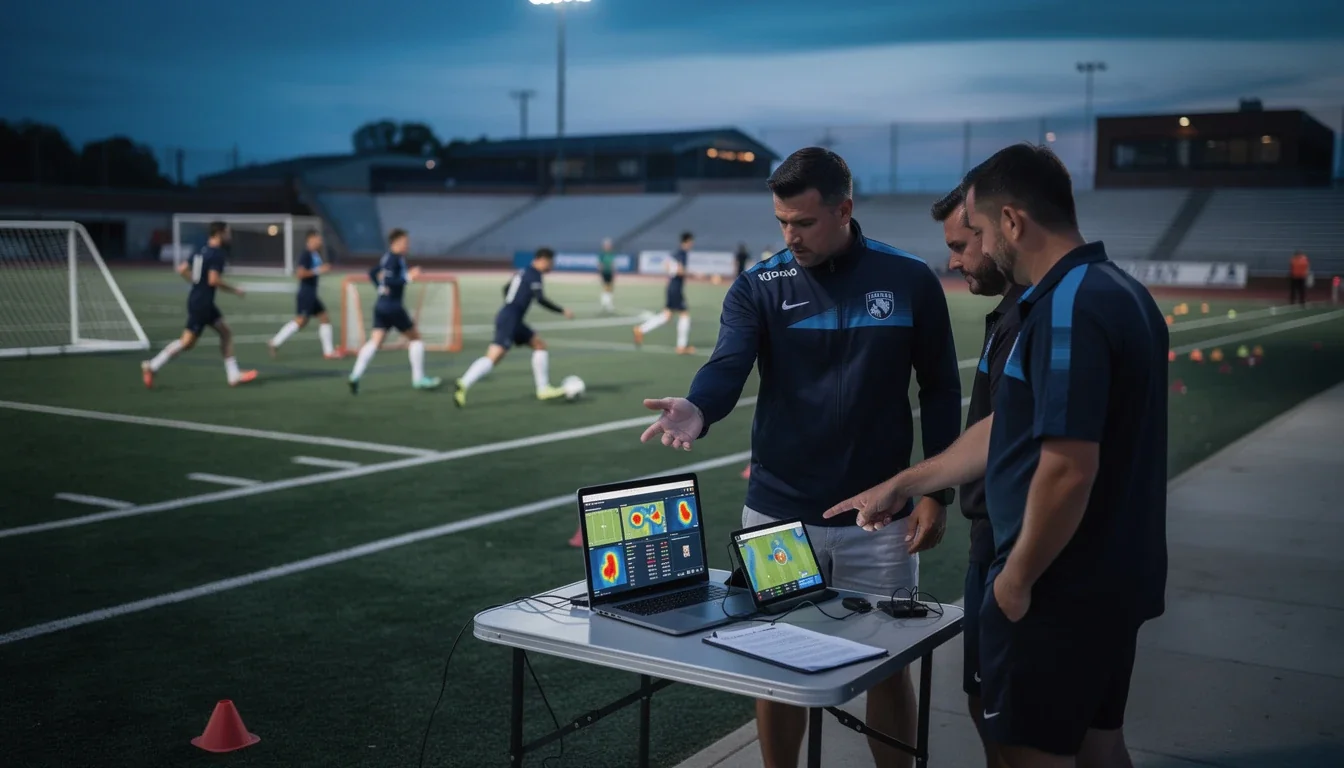
Data analysis lets smaller programs spot inefficiencies and opportunities that aren't obvious to the naked eye. For example, by tracking passing sequences, shot locations, or pressing triggers, a coach can identify which tactical tweaks produce the best results with the talent on hand. It’s not about gathering every stat—it’s about asking the right questions and using data to find answers.
Pro tip: Start by focusing on a single area—like set pieces or defensive shape—that you can measure and improve consistently.
Building an Analytics Culture on a Budget
The biggest misconception is that analytics require massive investments and technical expertise. In reality, most programs already collect useful data—often without realizing its value. Match footage, GPS trackers, and even simple notational analysis can become powerful tools when used consistently.
The key is building a culture where everyone, from coaches to players, understands the value of objective feedback. Even basic stats like pass completion rates or chances created can be tracked with spreadsheet software and intern support. Some programs designate a student manager as the "analytics lead," responsible for collecting and sharing key insights post-match.
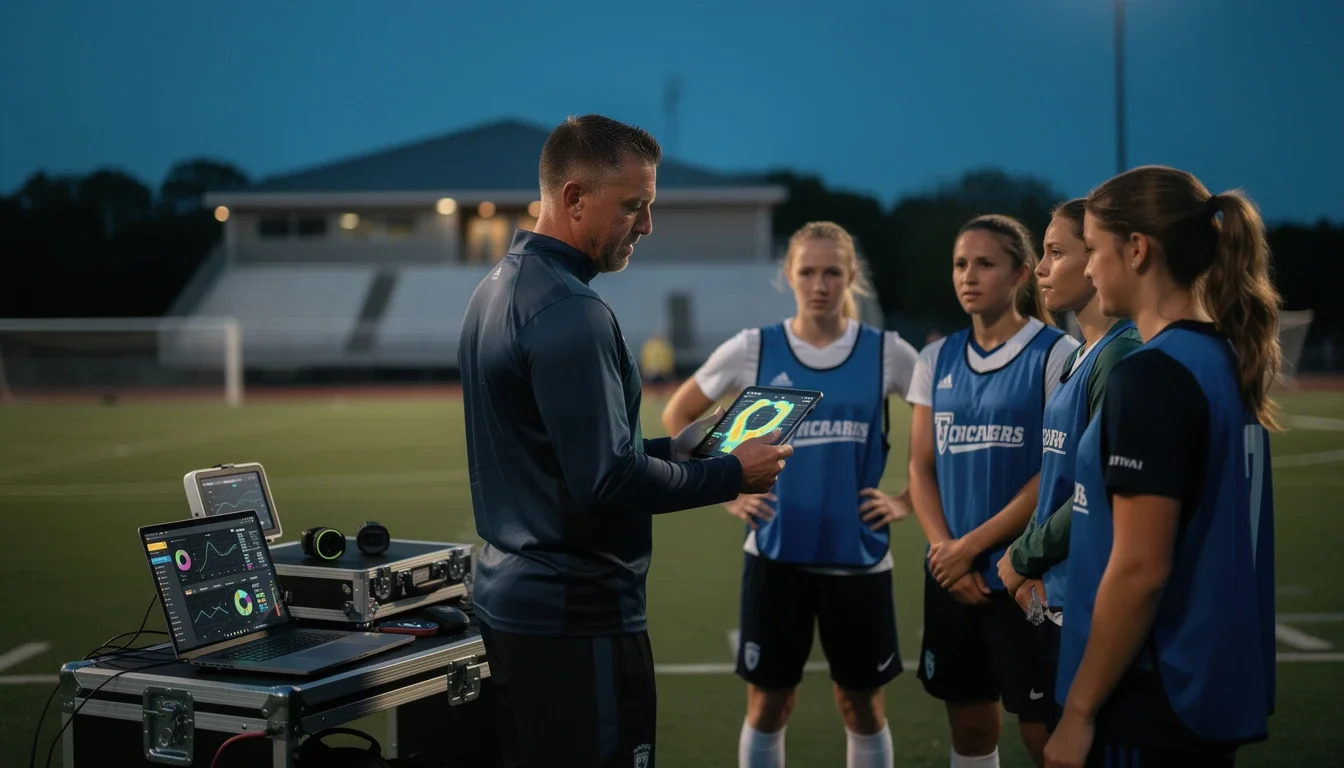
Pro tip: Involve your players in data collection and review. When athletes see how analytics tie directly to performance, buy-in skyrockets.
Recruiting: Data as a Secret Weapon
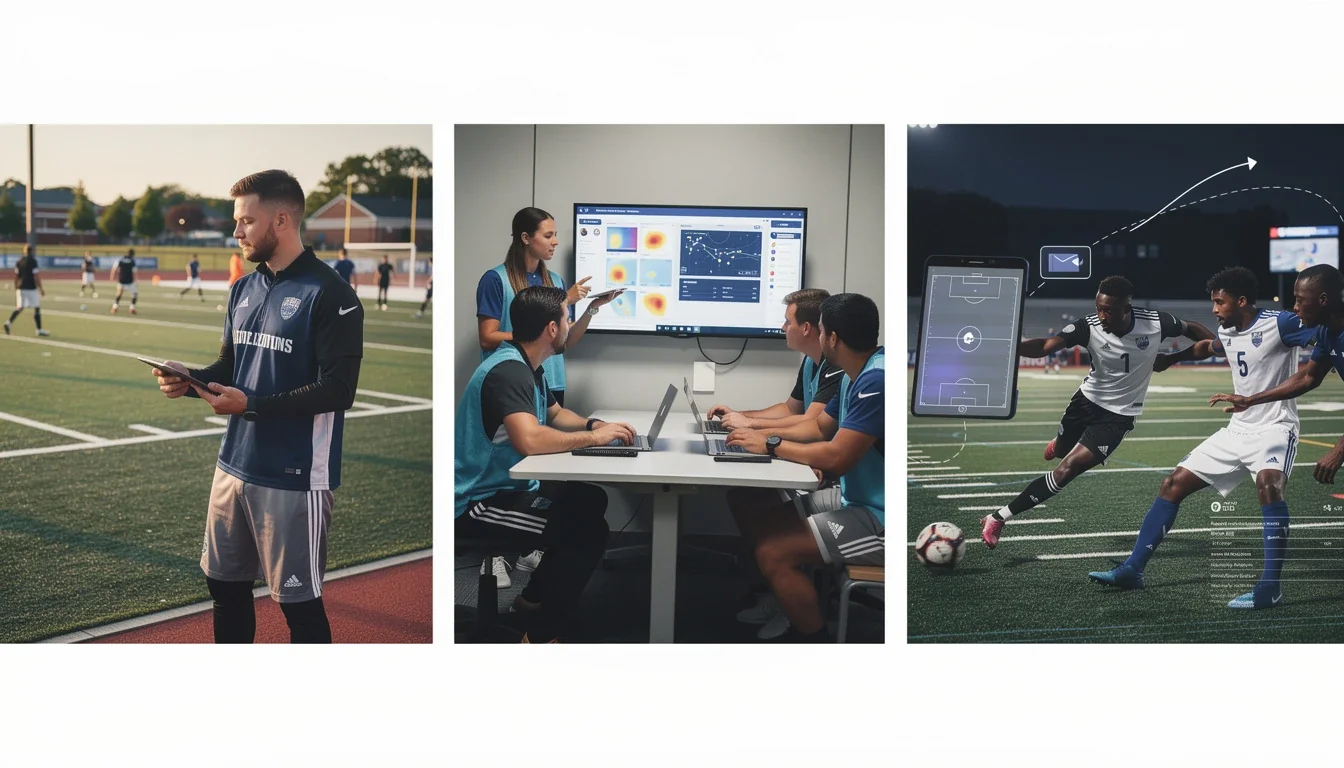
Recruiting is the lifeblood of any college soccer program, but smaller schools often find themselves fighting over the same limited pool of prospects. Analytics can help you identify overlooked talent and better assess a recruit’s true potential.
Instead of relying solely on goals scored or highlight reels, advanced metrics like expected goals (xG), key passes, and defensive actions per 90 minutes offer a deeper look at a player's impact. Video analysis platforms allow coaches to break down a recruit’s decision-making and movement, even from afar. Some programs create internal benchmarks for each position, comparing potential recruits to current and past players.
Pro tip: Use analytics in your recruiting pitch. Showing a recruit how your program uses data to develop players can set you apart from schools that just rely on tradition.
Tactics and Game Preparation
On the field, the smart use of analytics can help level the tactical playing field against more established programs. By analyzing patterns from your own matches and scouting opponents, you can find strategic edges—whether that's exploiting a specific weakness or neutralizing a star player.
Smaller programs often don’t have the staff to break down every opponent in detail, so it's vital to prioritize. Focus on key games, or on specific phases of play that align with your team's style. For example, if your team excels at counter-attacks, use data to refine your transition strategy and identify which moments are most dangerous.
Pro tip: After matches, review both successes and failures through the lens of your data. This helps players see the connection between preparation and outcome, making tactical adjustments more meaningful.
Overcoming Challenges and Roadblocks
Implementing analytics at a smaller program isn’t without hurdles. Time, expertise, and resistance to change are common barriers. Coaches may worry that analytics will overcomplicate things or distract from the basics. The trick is to keep your approach simple and actionable.
Start small, focus on a few key metrics, and show quick wins. Celebrate moments when data-driven decisions lead to better performances—whether it's a lineup change, a tactical tweak, or a recruiting success. As results follow, skepticism turns into enthusiasm.
Pro tip: Build relationships with data-minded alumni or local soccer analysts. They can offer volunteer help, mentorship, or even custom analysis at little or no cost.
The Future: Analytics as a Competitive Equalizer
As technology becomes more accessible, the gap between big and small programs will continue to shrink. Free and low-cost video analysis tools, open-source tracking software, and online courses are making it easier than ever to build analytics expertise in-house. Soon, every serious program will rely on data—not just the bluebloods.
But analytics aren’t about replacing the human element. They’re about making smarter decisions, developing talent more effectively, and maximizing resources. For smaller NCAA soccer programs, that can mean the difference between staying in the middle of the pack and breaking through to national relevance.
Pro tip: Stay curious and keep learning. The analytics landscape is always evolving, and the most successful programs are those willing to adapt and innovate.
Related Articles
Conclusion
Analytics are no longer a luxury reserved for the NCAA elite—they’re a necessity for any program determined to punch above its weight. By embracing data, smaller NCAA soccer teams can recruit smarter, prepare better, and find the hidden edges that turn underdogs into contenders. Here at College Touchline, we believe the future belongs to those willing to blend tradition with innovation. Whether you’re a coach, player, or fan, now’s the time to dive into analytics and help your program reach new heights.