 By
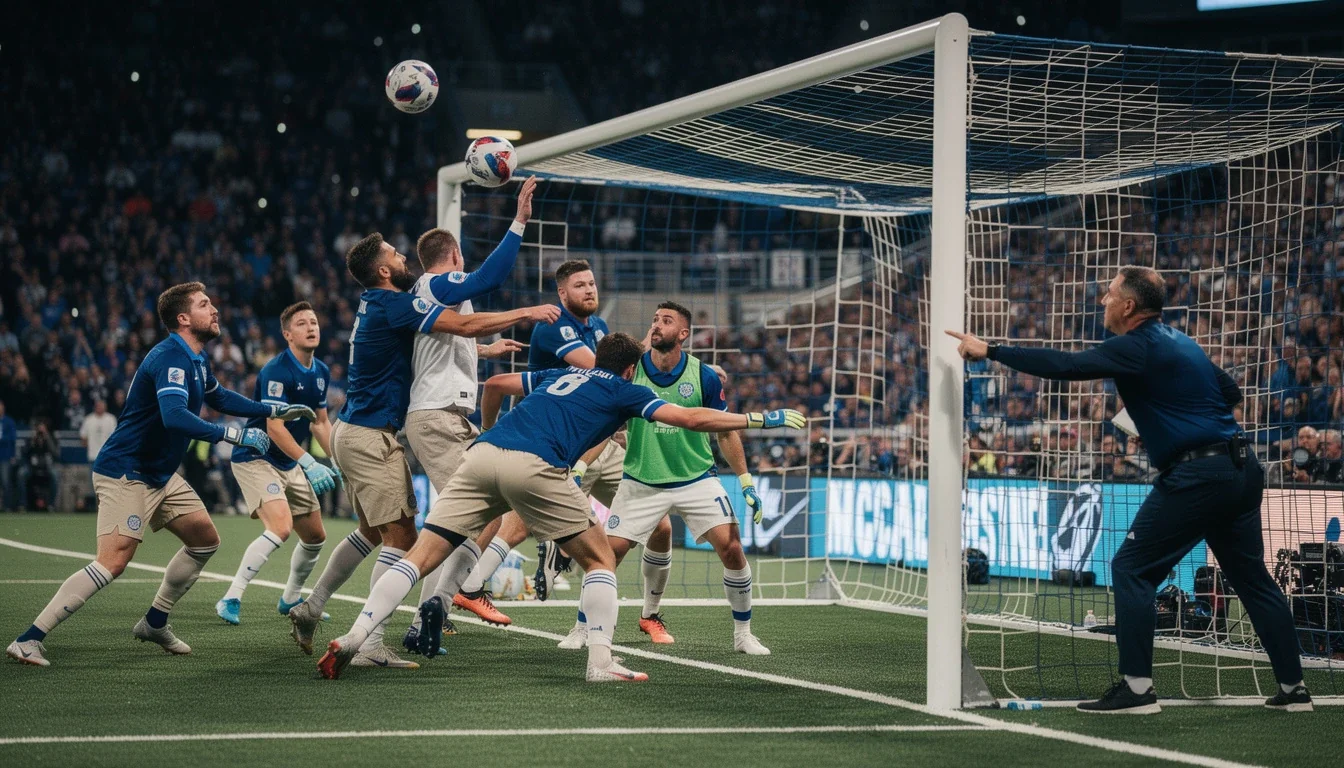
BySet pieces are the razor’s edge in NCAA Division 1 soccer. A single moment—a well-placed corner or a cleverly disguised free kick—can be the difference between a College Cup run and an early exit. As the 2026 season approaches, coaching staffs across the country are reexamining their defensive blueprints, blending data-driven analysis with on-field drills to neutralize some of the deadliest threats in the college game. In this deep dive, College Touchline unpacks the emerging trends, tactical shifts, and actionable strategies shaping set piece defense at the highest collegiate level. Whether you’re a player looking to sharpen your instincts or a coach seeking that extra edge, this guide delivers a comprehensive look at the art and science of shutting down set pieces.
Understanding the Modern Set Piece Threat
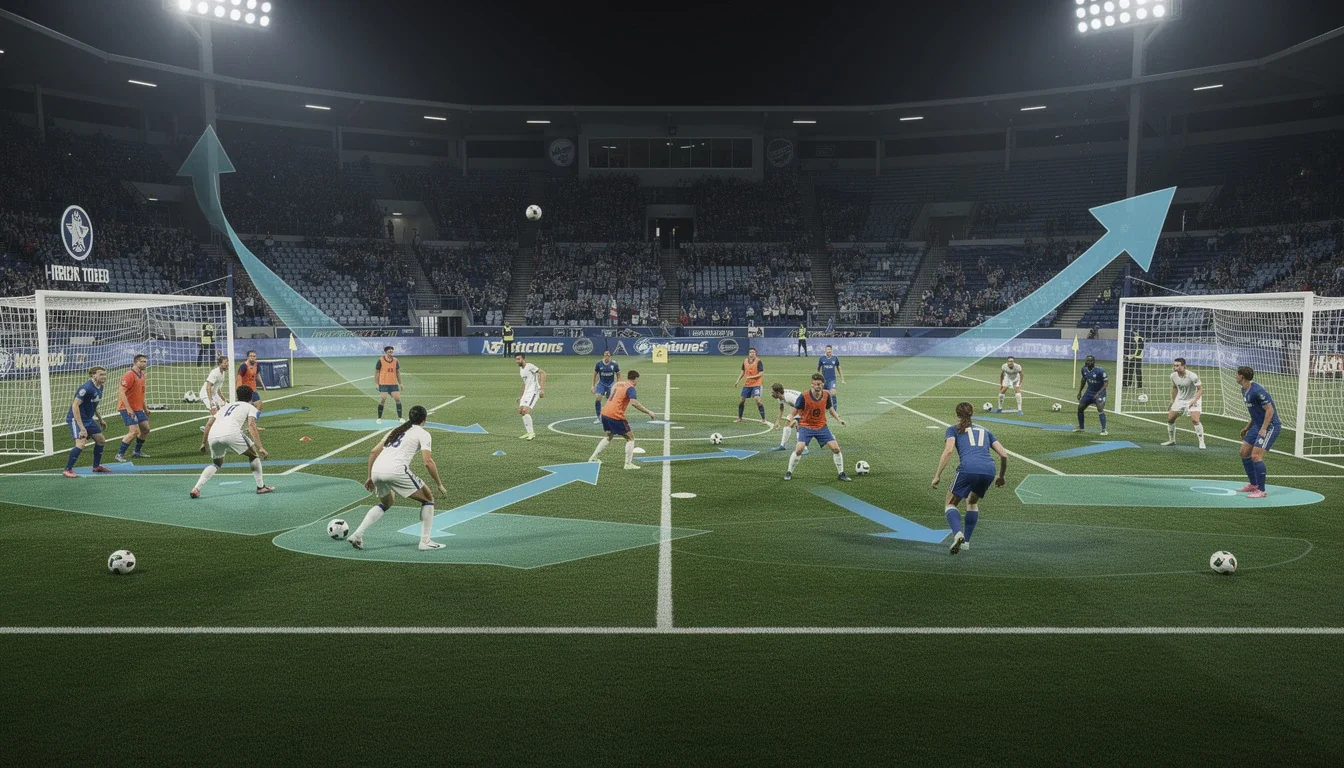
Set pieces aren’t what they used to be. Gone are the days when a hopeful ball lumped into the box was the extent of the danger. Today’s NCAA D1 attackers are drilled in intricate routines, deceptive runs, and clever decoys. The rise of analytics has only fueled this evolution, with teams mining data to uncover opponents’ habits and vulnerabilities.
Defensively, this means you can’t rely on tradition alone. Teams must anticipate everything from short corners to near-post overloads, and even the now-commonplace “screen” plays designed to unbalance defenders. The 2026 trend leans heavily toward hybrid marking systems—mixing zonal and man-to-man assignments to cover both space and specific aerial threats. The goal: reduce chaos, increase accountability, and minimize the chance of getting caught flat-footed.
Pro tip: Review opponent set piece clips in the week leading up to a match. Spotting patterns—like a preferred target or a signature delivery—can help defenders anticipate key moments.
Zonal vs.
Man-Marking: The Hybrid Revolution
The debate between zonal and man-marking has raged for decades, but NCAA D1 soccer is no longer choosing sides. The best teams now blend both systems to create a customized defense, tailored to personnel and opponent.
Man-marking brings urgency and personal responsibility—each defender locks onto an attacker, aiming to win the first contact. The downside? It’s vulnerable to picks and screens, and a single lapse can expose the entire back line. Zonal defending, on the other hand, assigns each player an area to protect, emphasizing structure and collective response. But it requires split-second communication and can be undone by creative runs or late arrivals.
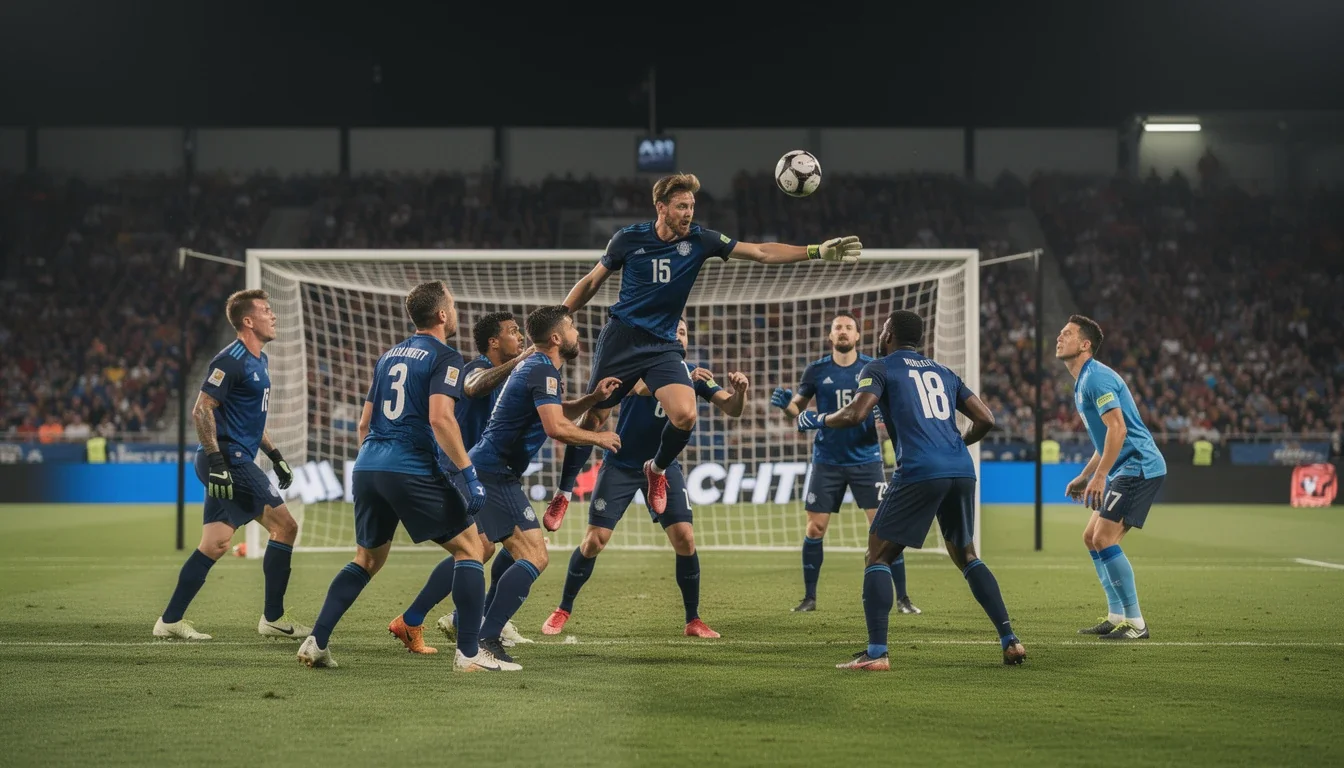
In 2026, hybrid systems reign. Typically, a few aerial specialists are tasked with man-marking the main threats, while others operate in key zones—like the six-yard box or the near post. This mix guards against overloads while still contesting the most dangerous attackers. Teams also drill “first contact” mentality, ensuring someone always attacks the ball, no matter the marking scheme.
Pro tip: Assign your most vocal defender to organize the line and call out assignments. Leadership in these moments is just as crucial as technical ability.
Training Communication and Decision-Making
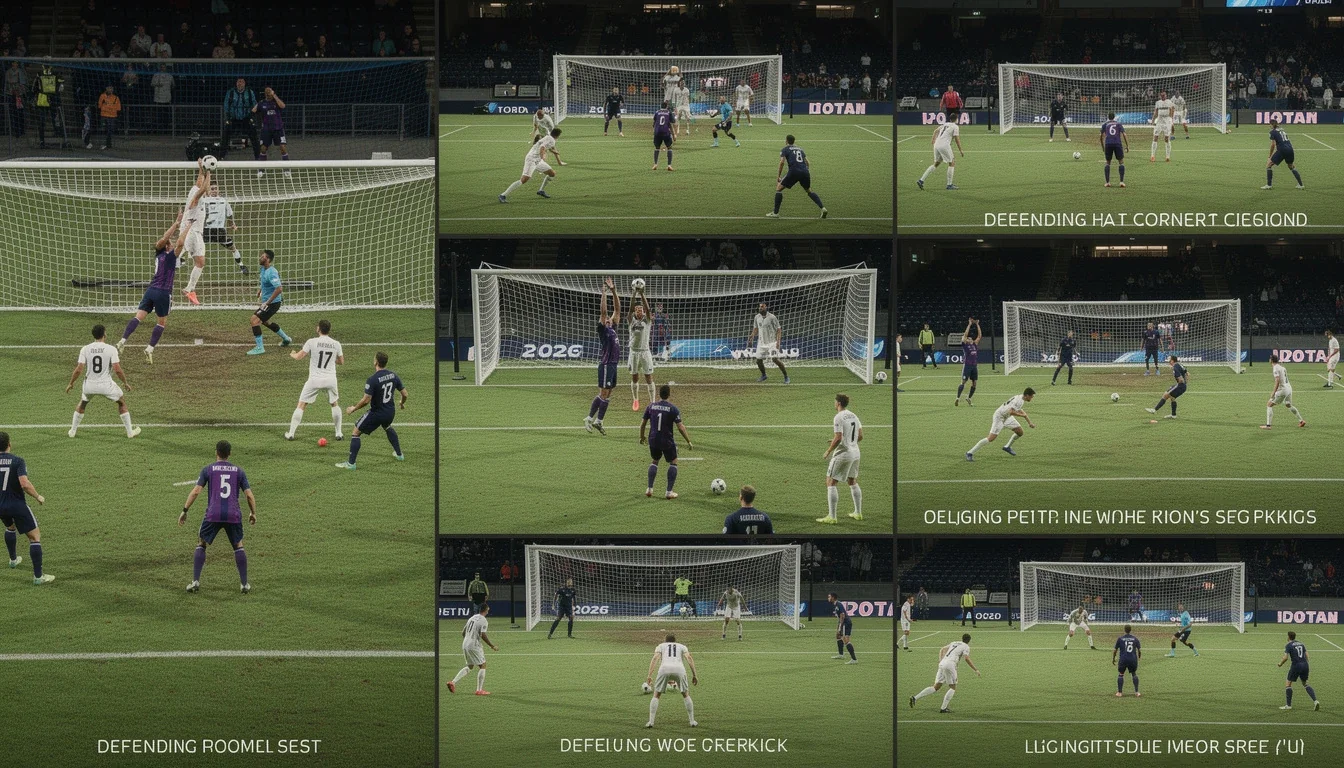
No defensive scheme survives contact with chaos if communication falters. In the set piece cauldron—crowded boxes, late runners, and swirling pressure—clear, assertive communication is the glue that holds your structure to gether.
Top NCAA programs train “chaos moments” in practice. These are deliberately messy situations—loose balls, ricochets, rebounds—where defenders must quickly decide who steps, who covers, and who clears. The focus is on rapid information sharing: “Leave!” for a keeper’s claim, “Man on!” for a late runner, or “Step!” to push the line out. Coaches also use video review to highlight missed cues and reinforce positive habits.
Decision-making ties closely to communication. Players must read the flight of the ball, anticipate second balls, and choose whether to challenge or delay. The best defenders aren’t just athletes—they’re problem-solvers, constantly adapting to the fluid set piece environment.
Pro tip: Use small-sided set piece drills in training with random restarts. These force defenders to adapt, communicate, and stay switched on for every phase of play.
Key Roles: The Keeper and the Line Leader
If set piece defense is an orchestra, the goalkeeper is the conductor. Their vision, timing, and confidence set the tone for the entire unit. In 2026, keepers are expected to do more than just save shots—they must command their area, organize defenders, and make split-second decisions on when to claim or punch.
The “line leader” is equally vital. This is often the central defender who organizes the defensive wall, sets the line, and orchestrates transitions after the initial clearance. NCAA teams increasingly designate a specific player for this role, trusting them to manage assignments and maintain composure under pressure.
Training for these roles goes beyond physical drills. Coaches use scenario-based sessions to simulate late-game pressure, crowd noise, and even “surprise” deliveries. The goal is to make leadership a muscle memory, so that when real chaos hits, the leaders step up without hesitation.
Pro tip: Empower your goalkeeper to make the final call in crowded situations. Consistent, confident commands reduce hesitation and prevent costly mix-ups.
Data-Driven Adjustments and Scouting
Analytics are transforming set piece defense at every level, and NCAA D1 is no exception. Teams now track everything—delivery zones, fastest runners, “trick play” frequencies, and even referee tendencies. This data feeds directly into game plans.
Before a big match, coaches and analysts break down the opponent’s last ten games, logging every set piece for patterns. Does the left back always deliver inswingers? Is there a late runner lurking at the far post? Are there specific “trigger” movements that precede a shot? This information shapes everything from wall placement to marking assignments.
In-game, staff monitor live trends. If the opposition shifts to short corners, or starts overloading the back post, the defensive setup is tweaked on the fly. Subtle adjustments—like shifting a zonal marker or swapping man-marking assignments—can make all the difference.
Pro tip: Assign a staff member or an injured player to track set pieces in real time during matches. Quick feedback at halftime can help plug leaks before they become disasters.
Individual Skills and Mindset
All the tactical planning in the world falls short if players aren’t ready to win their duels. The 2026 set piece defender is a blend of athlete, thinker, and competitor. Coaches emphasize winning the “first ball”—the initial header or clearance—as the single most important action. This means timing, aggression, and bravery are non-negotiables.
But it’s not just about physicality. Anticipation—reading the delivery, tracking runs, and reacting to deflections—is crucial. Players are drilled in body positioning, so they’re goal-side and balanced, ready to contest or clear. Mental resilience is key; a defender must shake off any mistake and stay locked in for the next delivery.
The best NCAA set piece units bond over shared responsibility. There’s no hiding—every player has a job, and the unit succeeds or fails to gether. Teams that embrace this collective mindset are consistently among the nation’s stingiest on set pieces.
Pro tip: Practice set piece defense at game tempo and under fatigue. Replicating match conditions in training ensures players stay sharp when the stakes are highest.
Related Articles
Conclusion
Set piece defense is both an art and a science, and in the high-stakes world of NCAA Division 1 soccer, getting it right can define a season. The 2026 landscape is more complex, data-driven, and demanding than ever, but it's also rich with opportunity for those willing to adapt. By blending hybrid marking, relentless communication, data insights, and a fierce competitive mindset, teams can transform set pieces from a source of anxiety into a platform for dominance. As you prepare for the coming season, remember: the margins are razor-thin, but with the right approach, your squad can stand tall when it matters most.