 By
ByCollege soccer at the NCAA Division 1 level is grueling—physically and mentally. For smaller D1 programs, the challenges often go beyond what happens on the pitch. Tight budgets, limited staff, and packed schedules can make recovery feel like a luxury rather than a necessity. But here’s the reality: recovery isn’t optional if you want to compete. It’s the foundation of consistent performance, injury prevention, and player development. So, how can smaller programs punch above their weight and build customized recovery strategies that work? At College Touchline, we’ve dug deep into the best approaches for resourceful coaches and ambitious players. Let’s break down what works, why it matters, and how you can tailor recovery to your team’s unique needs.
The Unique Demands of Small D1 Programs
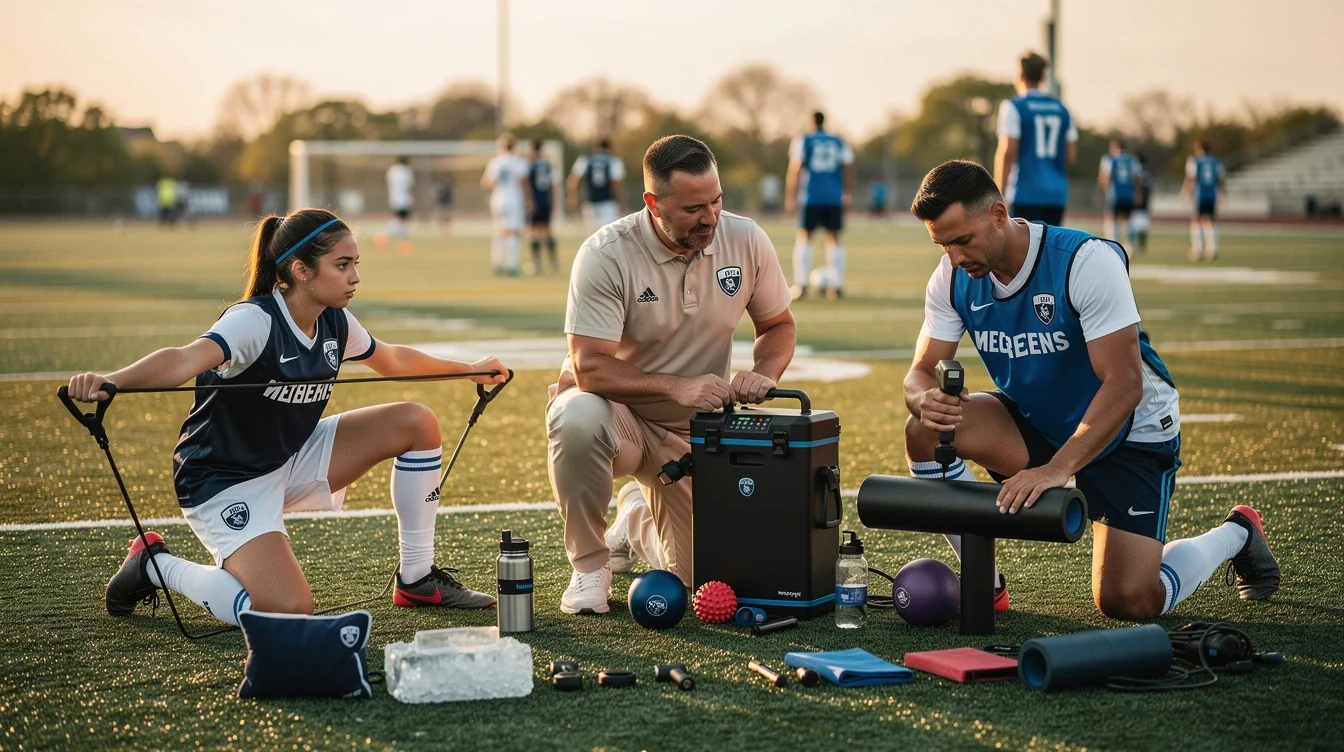
Every D1 soccer team faces a demanding schedule, but smaller programs have their own set of hurdles. Shorter benches mean more minutes for starters, while travel logistics and academic pressures can leave little room for structured recovery. Without large support staffs or fancy recovery technology, it’s easy to think you’re at a disadvantage—but recovery isn’t about flashy tools. It’s about understanding your players, your resources, and making every minute count.
Smaller squads often see more players logging heavy minutes, increasing fatigue and injury risk. Coaches may double as trainers, and team meetings might double as recovery sessions. At these programs, maximizing the basics—hydration, nutrition, rest, and active recovery—becomes even more vital. The good news? With a thoughtful approach, you can build a culture of recovery that fits your team’s reality, not just the ideal.
Pro tip: Start by tracking your team’s training and match loads, even informally. Patterns of fatigue and minor injuries often reveal where recovery is falling short.
Building a Culture of Recovery
Recovery isn’t just about what happens post-game—it’s a mindset that needs to be woven into your team’s identity. For small D1 programs, this often starts with education and accountability. Players should understand why recovery matters, not just what to do. When everyone buys in, recovery routines become habits, not chores.
Begin with team discussions about sleep, nutrition, and mental rest. Make it clear that recovery is performance, not laziness. Encourage players to share their own strategies and check in with each other. Peer accountability is powerful, especially when resources are stretched.
Create simple, repeatable routines that fit your schedule. Maybe it’s a 10-minute mobility session after training or a team stretch before breakfast. The key is consistency—recovery shouldn’t feel like an afterthought or punishment.
Pro tip: Use your leaders to model good habits. When captains are seen prioritizing sleep or leading cooldowns, the rest of the squad is more likely to follow.
Low-Cost, High-Impact Recovery Tools
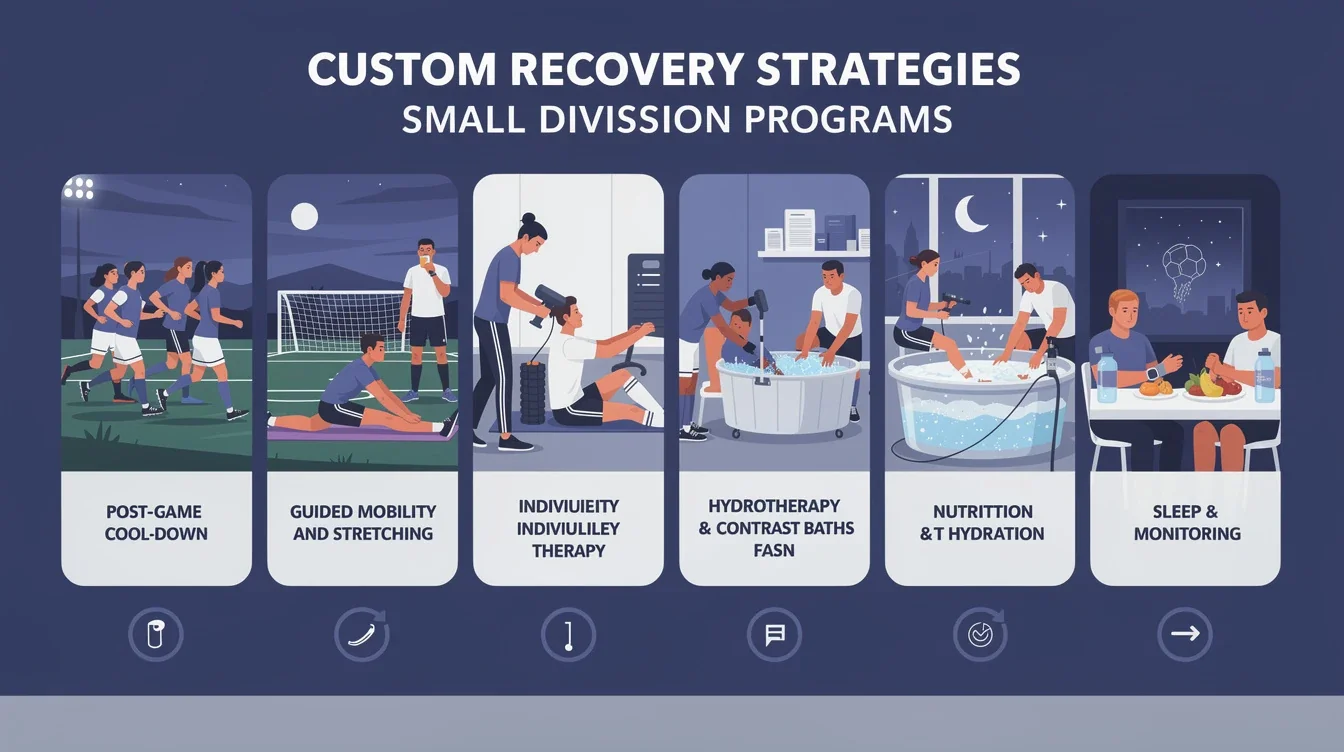
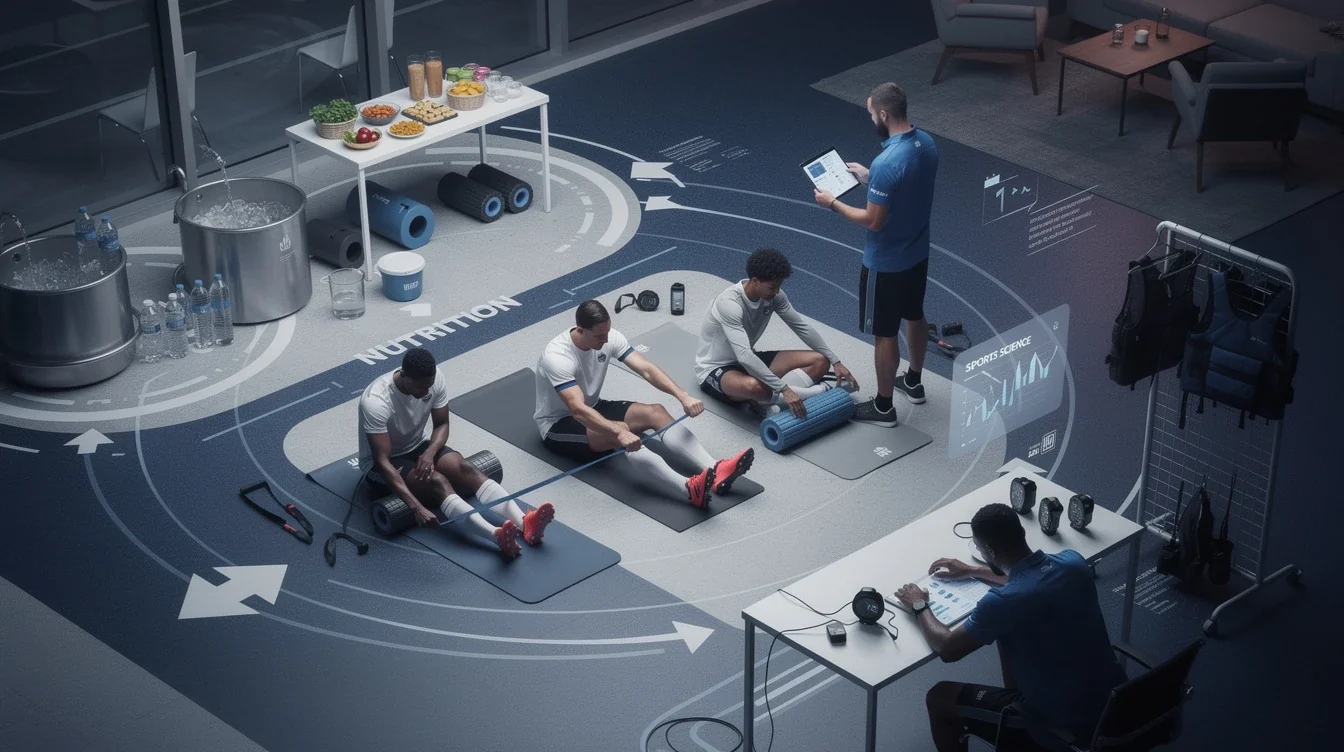
You don’t need a cryotherapy chamber or a full-time sports scientist to deliver world-class recovery. Focus on what’s accessible, effective, and easy to implement. Foam rollers, resistance bands, and yoga mats can go a long way. An ice bath may be as simple as a couple of garbage cans filled with cold water.
Nutrition is another area where small teams can make big gains. Encourage players to keep healthy snacks on hand—fruit, nuts, hydration drinks, or chocolate milk after training. Coordinate with campus dining to ensure post-game meals are balanced and timely.
Sleep remains the gold standard for recovery. Teach your team strategies for better sleep hygiene, like establishing bedtime routines, limiting screen time, and managing stress. Even small improvements in sleep quality can translate to better on-field performance and fewer injuries.
Pro tip: Create a “recovery kit” for away games—portable rollers, resistance bands, simple snacks, and a checklist for players to follow. Preparation beats improvisation every time.
Monitoring Fatigue and Adjusting Workloads
For small D1 programs, keeping players healthy is a balancing act. The temptation to push hard in every session is real, especially with a thin roster. But smart recovery starts with monitoring and adapting to your team’s actual fatigue levels.
You don’t need high-tech GPS units to spot warning signs. Simple self-report surveys—asking players how they feel, how they slept, and if they’re sore—can be surprisingly effective. Encourage honesty and create an environment where players feel safe admitting when they’re not 100%.
Use this feedback to adjust training intensity and duration. If half the squad reports heavy legs, consider a lighter session or extra recovery time. Over-training is a fast track to injuries, especially when squad depth is limited.
Regular check-ins also help spot early signs of burnout or emerging injuries. Catching problems early lets you intervene before they sideline a key contributor.
Pro tip: Designate a “wellness captain” on your squad—a player responsible for collecting quick daily check-ins and flagging any issues to the coaching staff.
Recovery on the Road
Travel is one of the biggest recovery challenges for small D1 teams. Long bus rides, disrupted sleep, and unfamiliar food can wreak havoc on even the best-laid plans. The secret? Preparation and flexibility.
Plan travel days with recovery in mind. Schedule stretch breaks on long trips, encourage players to bring sleep masks and earplugs, and prioritize hydration before, during, and after games. When possible, book hotels with access to fitness rooms or pools for light activity.
Nutrition can be tricky on the road. Work with your athletic department to arrange healthy boxed meals or snacks. Involve players in planning, so they know what to expect and can supplement as needed.
Finally, build in time for mental decompression. Road trips can be stressful and isolating. Whether it’s a team movie night or a quick group meditation, find ways to help players relax and reconnect away from the field.
Pro tip: After away games, give players a structured “reset” routine—light movement, stretching, and a team talk to process the game before they turn their focus to academics or rest.
Leveraging Staff and Player Roles
While smaller D1 programs may lack a dedicated recovery coach, they often boast tight-knit staffs and motivated players. Use this to your advantage by assigning specific recovery responsibilities.
Assistant coaches can oversee cooldowns or manage nutrition logistics. Athletic trainers (even if shared with other teams) should be looped in early to monitor player health trends and provide input on recovery programming.
Empower players to take ownership. Appoint recovery leaders or wellness ambassadors who can check in with teammates, share tips, and bring concerns to the coaching staff. Peer-to-peer accountability is often more effective than top-down mandates.
Document your recovery protocols and revisit them regularly. What worked last season may need tweaking as your roster changes or new challenges arise. Encourage feedback and continuous improvement.
Pro tip: Rotate recovery leadership roles among upperclassmen—this builds buy-in across different classes and helps younger players learn good habits early.
Conclusion
Recovery is the hidden engine powering successful D1 soccer programs, and nowhere is it more important than at smaller schools. Limited resources don’t have to mean limited performance. By focusing on education, accountability, and creative use of what you have, you can give your players the recovery edge they need. Build routines, monitor fatigue, and make recovery a core part of your culture—and you’ll see the results both on and off the field. At College Touchline, we believe the smartest teams aren’t always the biggest—they’re the ones who recover best.