 By
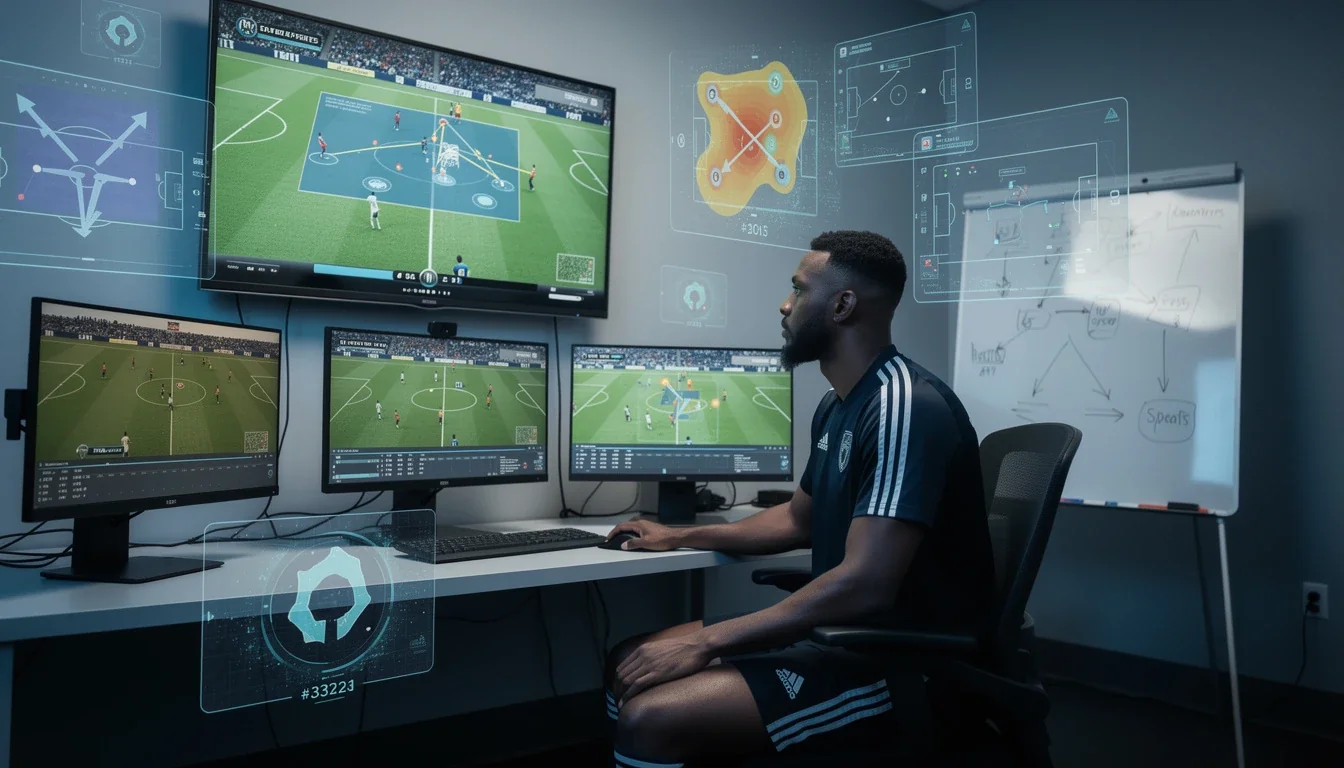
ByIf you want to shine as an NCAA Division 1 midfielder, understanding your game goes way beyond the final whistle. The real difference-makers are the players who turn every match into a learning experience, dissecting their performances with the precision of a coach. Video analysis has become a secret weapon for serious college soccer midfielders, offering insights that can elevate your tactical IQ, sharpen your technical edge, and give you a leg up in recruiting conversations. At College Touchline, we're diving deep into how video analysis can transform the way D1 midfielders think, play, and get noticed.
The Modern Midfielder’s Demands
Midfielders at the NCAA Division 1 level aren't just passers or ball-winners—they're the engine room, the link between defense and attack, and often the heartbeat of their teams. The demands are sky-high: you’re expected to read the game, distribute under pressure, cover ground, and make split-second decisions that shift the momentum. It’s a position where the margin for error is razor-thin.
Coaches and scouts are looking for midfielders who don’t just rack up touches, but influence the game with every decision. That’s where video analysis comes in. By breaking down your movements, choices, and positioning frame by frame, you can start to see the game as coaches and analysts do. It's about recognizing patterns, correcting mistakes, and finding those hidden moments where you can make a difference.
Pro tip: Don’t just watch your highlights—analyze the full 90. The real learning happens in the moments you’re off the ball, or when play breaks down.
Key Metrics in Video Analysis
When you sit down to review your game film, it can be overwhelming. Where do you start? For midfielders, the focus should be on a handful of key metrics that truly reflect your impact:
- Passing efficiency: Track not just your completion rate, but the quality and intent behind your passes. Are you breaking lines? Are you supporting the attack, or playing too safe?
- Defensive actions: Count your interceptions, tackles, and recoveries. Pay attention to your positioning before these actions—are you anticipating play, or reacting late?
- Off-the-ball movement: This is huge for midfielders. Use video to see if you’re providing options for teammates, finding pockets of space, and staying connected to both the defense and attack.
- Decision-making under pressure: Are you able to keep possession and pick the right pass when pressed? Slow down the tape and look for patterns in your choices.
By tracking these metrics over multiple games, you’ll start to see trends in your performance—and areas where you can grow.
Pro tip: Use a simple spreadsheet to log your key stats from each game. Over time, you’ll have a personalized data set to guide your development.
Breaking Down the Phases of Play
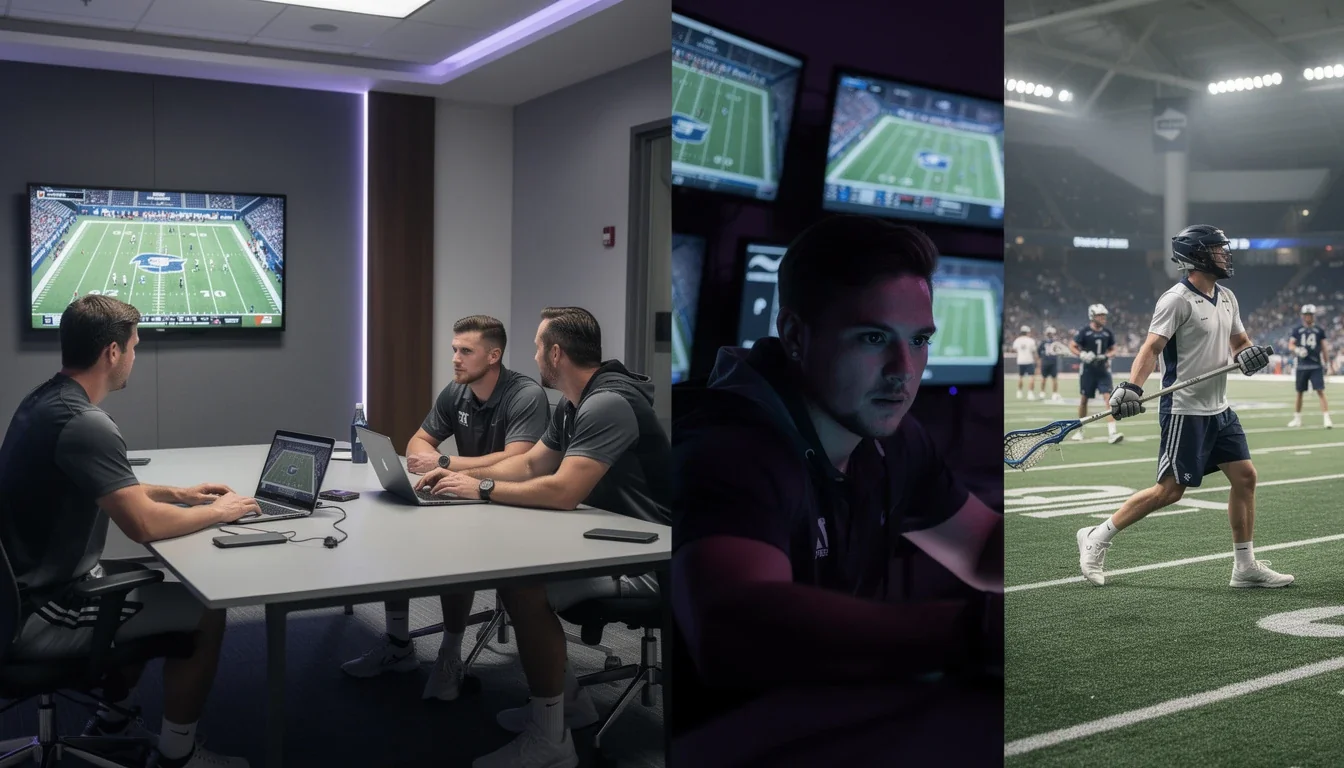
A midfielder’s responsibilities change dramatically depending on the phase of play: buildup, transition, and defense. Video analysis allows you to isolate these moments and dig into your role in each.
Buildup: Watch how you position yourself to receive the ball from defenders. Are you checking your shoulder before receiving? Are you opening up your body to play forward quickly? Notice the angles and distances you create.
Transition (Attack and Defense): How quickly do you react when possession changes? Winning the “first five seconds” after a turnover is a hallmark of elite midfielders. Video clips can help you spot whether you’re switching on immediately, or caught on your heels.
Defensive Shape: Are you compact with your midfield line? Are you helping to cut off passing lanes, or drifting out of position? Use freeze frames to see your spacing relative to teammates.
By focusing on these phases, you’ll start to internalize the tactical demands of your role—and communicate more effectively with coaches.
Pro tip: When watching film, pause and draw the lines of your team’s shape. Visual learning can help you internalize spacing and positioning.
Learning from the Best: Pro and D1 Examples
One of the huge advantages of video analysis is that you’re not limited to your own games. NCAA D1 matches are widely available, and there’s a wealth of professional soccer footage online. Studying top-level midfielders can help you model your game on the best.
When analyzing elite players, pay close attention to:
- Their scanning habits before receiving the ball
- How they communicate with teammates
- The timing of their runs into the box
- Their defensive work rate and recovery runs
Try to pick out one or two players whose style matches your own, whether it’s a deep-lying playmaker, box-to-box engine, or holding midfielder. Break down a few full matches, noting how often they touch the ball, where they position themselves in different scenarios, and how they influence the rhythm of play.
Pro tip: Use software features like slow-motion and replay to analyze a single action from multiple angles. Sometimes, a key decision happens in a split-second window you’d miss at normal speed.
Turning Analysis into Action
Watching film is only half the battle—the real growth happens when you apply what you’ve learned. After each film session, create a short action plan for your next training or match. Focus on 1-2 specific areas: maybe it’s playing quicker under pressure, or adjusting your defensive positioning.
Share your findings with your coach, too. D1 coaches love players who are proactive about their development and can communicate what they’re working on. It shows maturity and a commitment to growth.
Over time, you’ll start to see your confidence grow as you recognize familiar situations on the field and execute the solutions you’ve studied. Video analysis turns the pitch into a classroom, where every minute is a chance to improve.
Pro tip: Set up a “feedback loop” by revisiting your action plan after games and noting progress. Consistent reflection leads to faster improvement.
Recruiting and the Transfer Portal: Standing Out
For aspiring D1 recruits and current college players considering a transfer, video analysis isn’t just about getting better—it’s about getting noticed. Coaches rely heavily on game film to evaluate potential midfielders, and they’re looking for more than just flashy highlights.
When preparing your highlight reel or full-match footage, make sure to include sequences that showcase your tactical understanding: your movement off the ball, your role in buildup and transition, and your communication with teammates. Annotate your video if possible, highlighting moments where you make smart decisions or help organize your team.
If you’re in the transfer portal, use video analysis to identify programs whose style matches your strengths. Are you best in possession-heavy systems, or do you thrive in high-pressing setups? Tailor your video submissions and outreach to fit the tactical needs of your target schools.
Pro tip: Include a brief self-analysis with your video when reaching out to coaches. Point out specific strengths and areas of growth—this elevates you above the average recruit.
Related Articles
Conclusion
For NCAA Division 1 midfielders, video analysis is no longer optional—it’s essential. The players who embrace it gain a tactical edge, improve faster, and stand out in the crowded world of college soccer. Whether you’re breaking down your own performances, studying elite players, or preparing your recruiting materials, the discipline of regular film review will pay dividends on and off the pitch.
At College Touchline, we believe in empowering midfielders to think, play, and lead at the highest level. So grab your laptop, fire up the game tape, and turn every match into your personal masterclass. The next level starts with what you see—and what you do with it.