 By
ByEvery NCAA soccer coach has faced the exhilarating (and sometimes daunting) prospect of integrating a new international player mid-season. Maybe it’s a late recruit cleared by compliance, or a transfer whose paperwork finally comes through. Either way, the question remains: How do you blend overseas talent into a team already deep in the grind of conference play? For players, coaches, and serious fans, understanding this process is crucial—not just for immediate results, but for long-term culture and success. Here at College Touchline, we’re breaking down the strategies, challenges, and opportunities that come with mid-season international player integration in NCAA Division 1 soccer.
The Timing Challenge: Why Mid-Season Matters
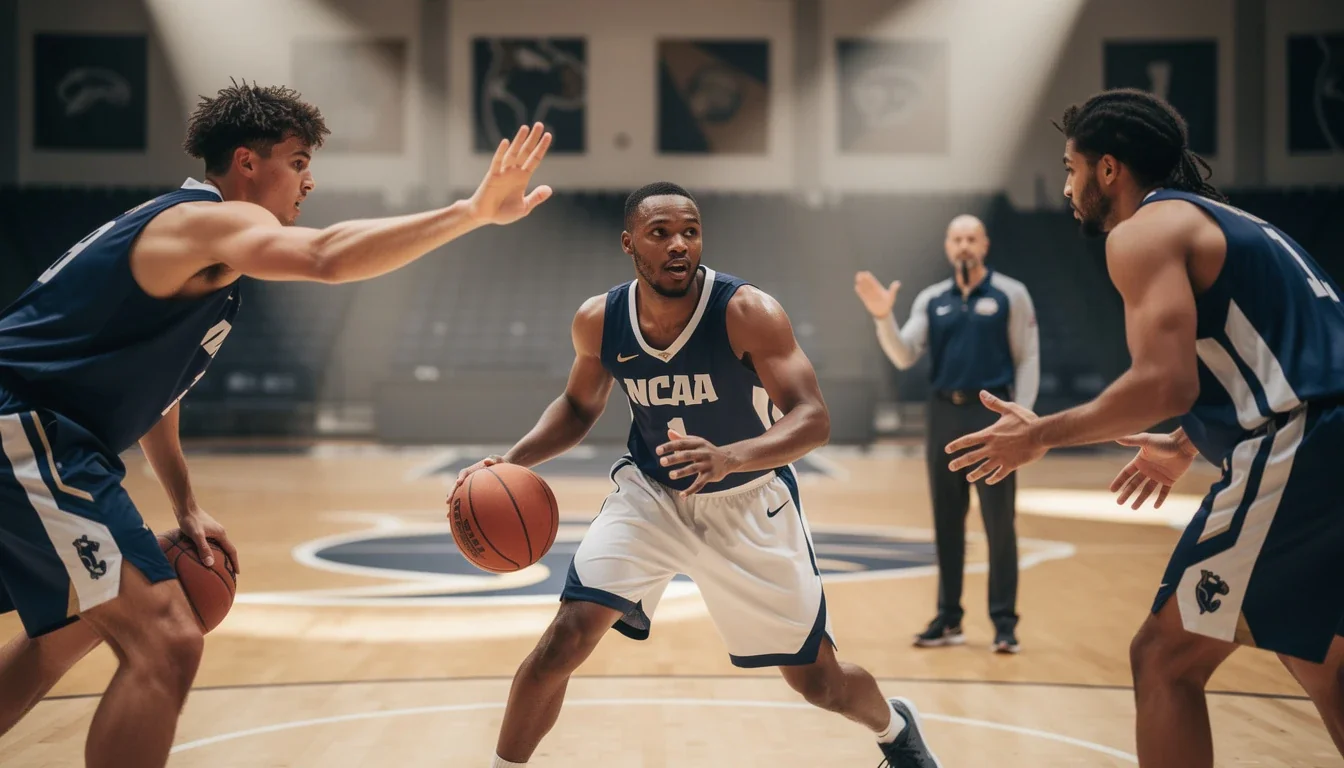
Integrating a player in preseason is one thing—everyone’s new, and the slate is blank. Mid-season, though, offers a unique set of hurdles. The squad’s chemistry is established, tactical roles are defined, and the rhythm of training and competition is in full swing. Dropping in a new face, especially from another country and soccer culture, can disrupt as much as it enhances.
For coaches, the pressure is twofold: maximize the newcomer’s impact without destabilizing what’s already working. Players must adapt to a different tempo, language, and style—often with little time to acclimatize. Team leaders need to help the newcomer feel welcome while maintaining competitive standards.
Pro tip: Schedule one-on-one meetings with both the new arrival and key team members to identify potential friction points before they become issues.
Bridging Playing Styles and Tactical Expectations
International recruits often bring flair, tactical savvy, or physicality that’s shaped by their home leagues. But NCAA soccer has its own demands—substitution rules, pace of play, and a unique blend of directness and athleticism.
Coaches face a critical decision: Should you adapt your team’s style to leverage the newcomer’s strengths, or should the player conform to the established system? Often, the answer is a blend. Some international players can immediately elevate ball retention or tactical discipline, while others need time to adjust to the NCAA’s physicality, relentless transitions, or deep squad rotations.
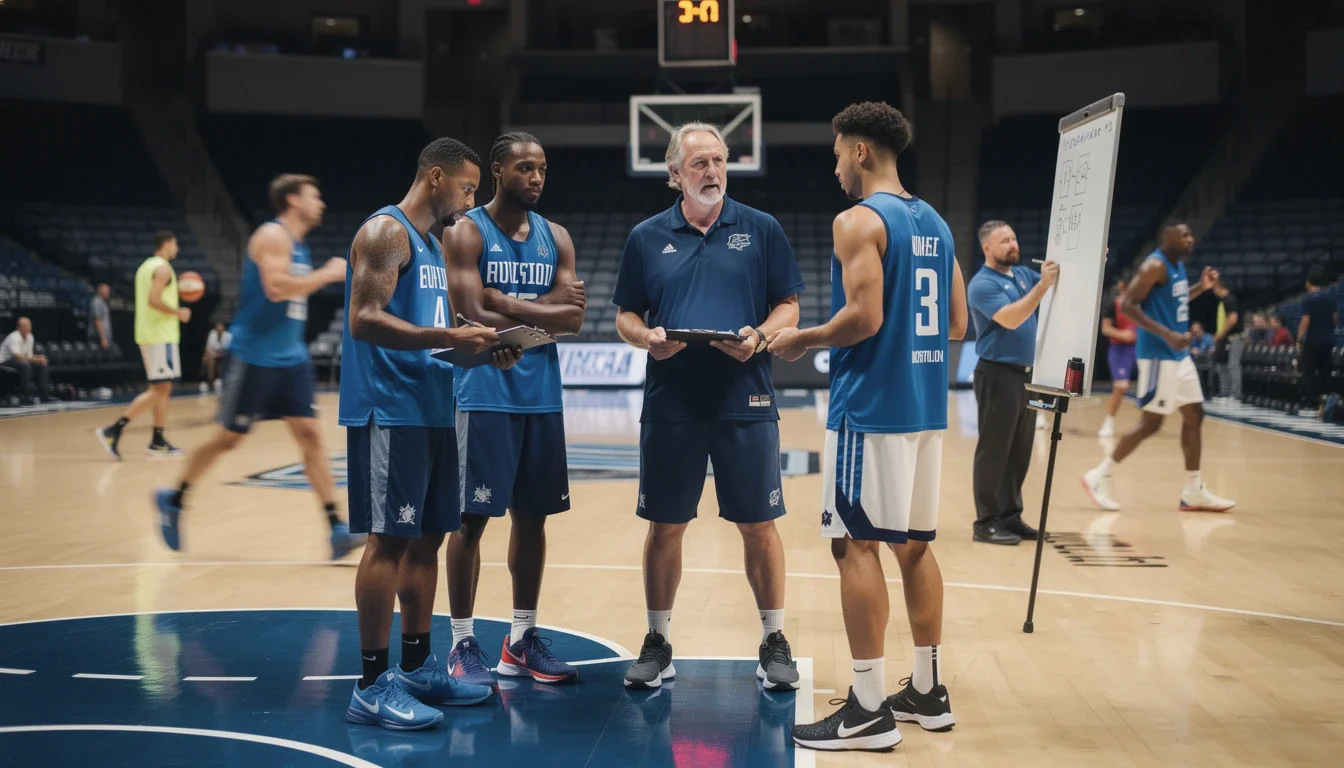
A successful transition starts with clear communication. Tactical sessions should be more than drills; they’re opportunities to discuss “why” as much as “how.” Video analysis, whiteboard sessions, and peer-led walkthroughs can accelerate understanding.
Pro tip: Pair the international player with a “tactical buddy”—a teammate who can explain not just what to do, but why it matters in the collegiate context.
Navigating Off-Field Adjustments
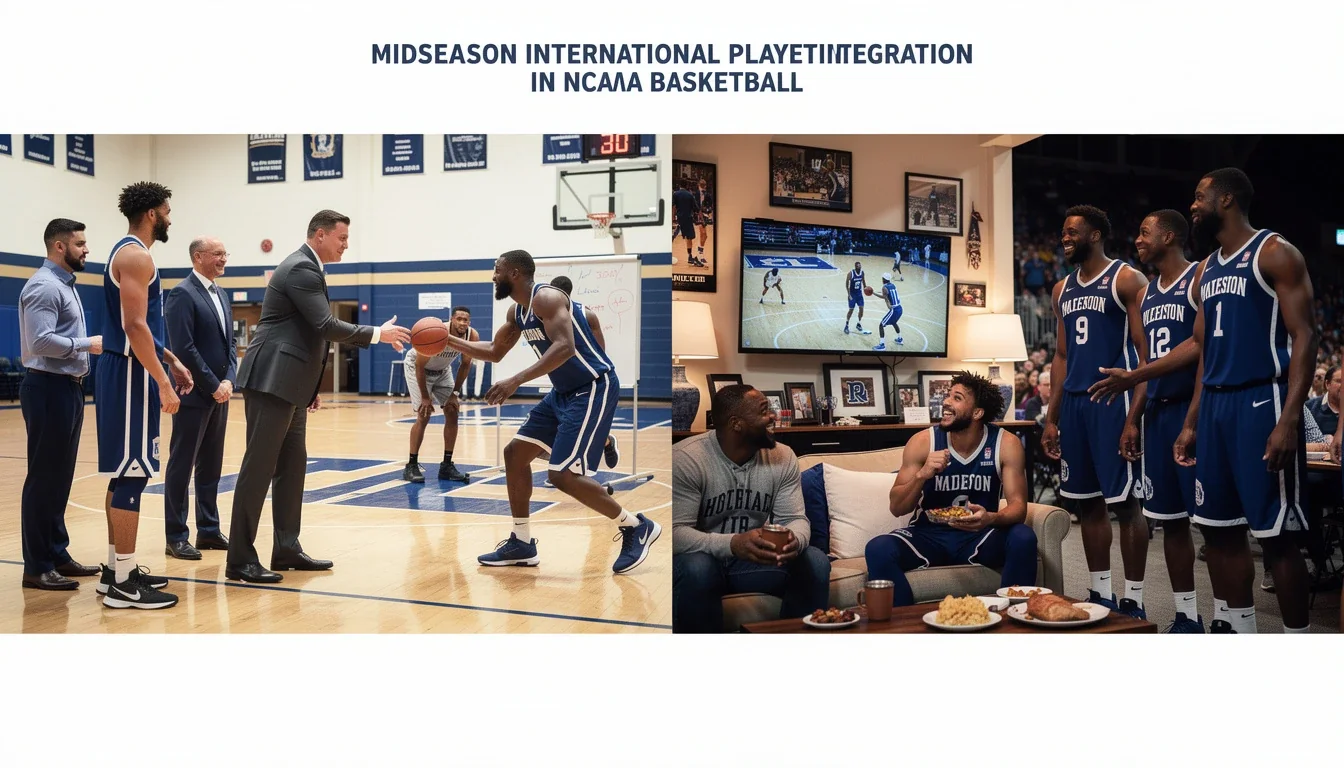
Soccer is just one part of a student-athlete’s life, and international players face a laundry list of off-field adjustments: new living situations, academic systems, language barriers, and even simple things like meal schedules. These challenges can bleed into performance if left unaddressed.
Team managers and support staff play a vital role here. They’re often the bridge between the coaching staff and the player, helping with everything from class schedules to campus navigation. Coaches who invest in their players’ well-being off the pitch often see dividends in faster on-field adaptation.
It’s also crucial for teammates to embrace their new colleague socially. Shared meals, study groups, and even simple gestures—like helping with logistics or inviting them to team events—can transform a newcomer’s experience.
Pro tip: Assign a “transition mentor” from the returning squad who’s been through their own adjustment, whether as a transfer, international, or first-year, to guide the new player through the first critical weeks.
Building Trust and Chemistry Quickly
On-field chemistry is often what separates good teams from great ones, and building it with a mid-season addition is a race against the clock. Trust—both tactical and personal—must be fostered through deliberate action.
Small-sided games in training are a goldmine for this purpose. They allow the newcomer to experience team dynamics up close, make mistakes in a lower-stakes setting, and learn the preferred communication styles of their peers. Coaches should also encourage open feedback, both from the new player and the established squad, to identify misunderstandings or tactical gaps early.
Captains and senior players set the tone. Their willingness to include and support a new teammate signals to the entire group that integration is a priority, not an afterthought.
Pro tip: Use “role reversal” in training—let the international player lead a warmup or technical drill. It builds confidence and allows teammates to see the newcomer’s strengths firsthand.
Handling Compliance and Eligibility Hurdles
The NCAA’s eligibility and compliance maze is especially tricky for mid-season international arrivals. From transfer paperwork to amateur status verification and language proficiency requirements, a single missed detail can delay or derail integration.
It’s vital for coaching staffs to work closely with compliance officers and academic advisors from the start. Early and frequent communication with all stakeholders—including the athlete—can prevent last-minute surprises. Players should be educated on their own eligibility responsibilities, especially around amateurism and academic progress.
Remember that delays are common, and contingency planning is essential. Coaches should develop a phased integration plan that allows the new player to participate in non-game activities until fully cleared.
Pro tip: Keep a detailed integration checklist for every international arrival, updated in real time, and review it in weekly staff meetings.
Strategic Impact: Turning Disruption into Advantage
Done right, integrating a mid-season international player can be a game-changer. Fresh perspectives challenge entrenched habits, and new skills can tilt tight matches. But the process must be intentional and strategic.
Assess the player’s best position and role by observing them in several training and game situations. Look for opportunities to rotate them in when the team is in control, rather than high-pressure moments, to build confidence. Use their unique strengths to create tactical wrinkles—perhaps a new formation, set piece routine, or pressing trigger.
Coaches should also monitor team dynamics for signs of friction or jealousy. Transparency about roles and the rationale behind lineup decisions goes a long way toward maintaining unity.
Pro tip: Run a “tactical audit” two weeks after integration—solicit anonymous feedback from players on what’s working and what needs tweaking. Adjust accordingly to maximize both individual and team growth.
Related Articles
Conclusion
Mid-season international player integration in NCAA soccer is as much art as science. It’s a process that demands patience, empathy, and tactical flexibility from coaches and players alike. But when managed well, it's a unique opportunity to infuse new energy, skills, and perspectives into a program at a critical juncture.
At College Touchline, we believe that with the right strategies—clear communication, robust support systems, and a willingness to adapt—teams can turn mid-season additions from potential disruptions into genuine difference-makers. Whether you’re a coach seeking that extra edge, a player hoping to make your mark, or a fan eager to understand the nuances behind the scenes, mastering integration is key to thriving in the high-stakes world of NCAA Division 1 soccer.