 By
ByAmong the constant motion, intense pressure, and high stakes of NCAA Division 1 soccer, there’s a subtle performance happening every match—one that even seasoned fans often overlook. It’s the ongoing, in-the-moment communication of the defensive line. While attackers and midfielders usually get the headlines, the orchestrated soundscape of a disciplined back line is the foundation of every great collegiate team. Today on College Touchline, we’re diving deep into how NCAA D1 defenders talk, gesture, and organize—shaping not just clean sheets, but entire seasons.
Foundations of Defensive Line Communication
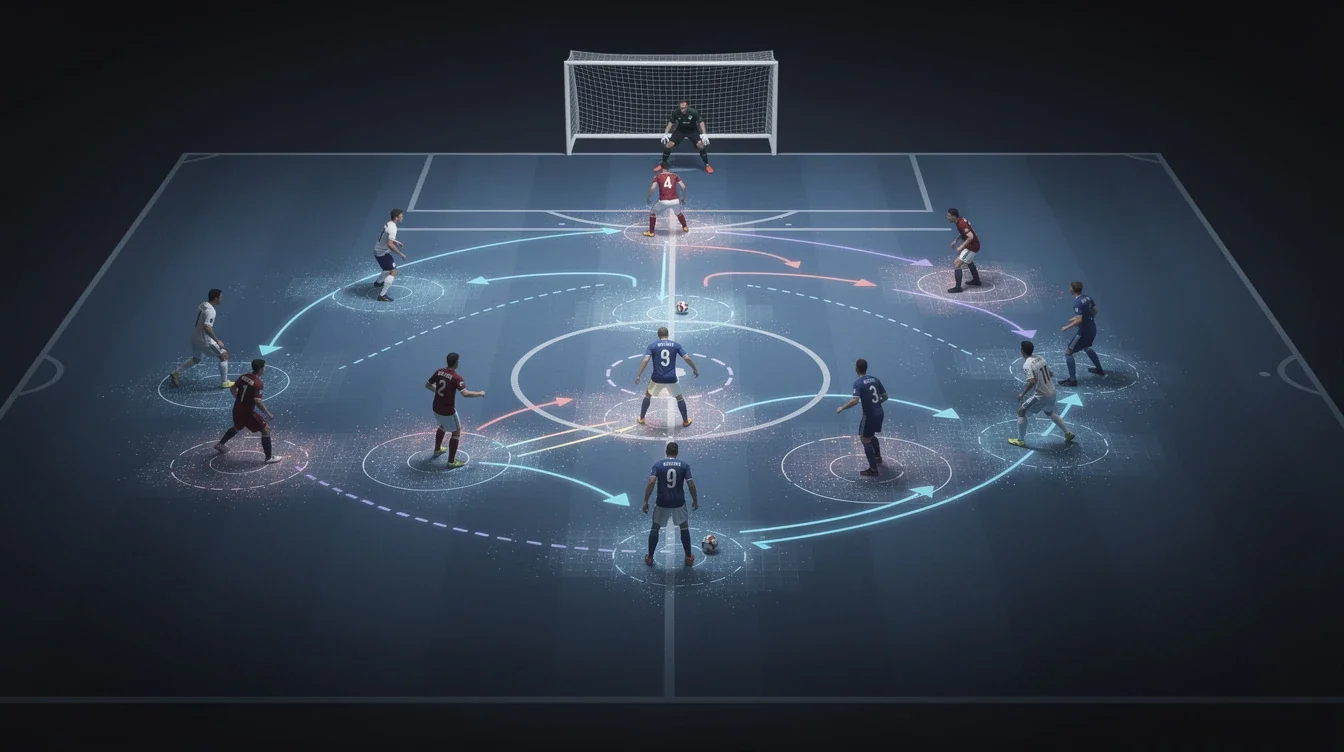
Before we can appreciate the nuance, it’s important to understand what defensive line communication is and why it matters so much in the D1 arena. At its core, it’s about much more than shouting “man on” or “step up”—it’s the glue that binds shape, anticipation, and collective trust.
In NCAA D1 soccer, back fours (or threes, in some tactical systems) must constantly exchange information. This includes calling out runners, alerting teammates to switches, and organizing the line for offsides traps. With the speed and tactical diversity of D1 attacks, defenders can’t rely on instinct alone. They need real-time updates from each other—eyes on the ball, eyes on the space, and eyes on the opponent.
Verbal commands are vital, but hand signals, eye contact, and even body positioning play key roles. A center back’s raised hand might signal a line hold, while a quick glance over the shoulder keeps everyone aware of a lurking striker. In the heat of a collegiate match, these subtle cues can be the difference between a desperate clearance and a controlled build-out.
Pro tip: If you're a defender, start building your "communication vocabulary" early—practice both your voice and your signals in training, not just in games.
Organizing the Line: Roles and Responsibilities
Central defenders are often the vocal leaders of the back line, but in D1 soccer, communication is an all-hands-on-deck responsibility. Each position has a unique angle, and smart teams encourage input from every defender.
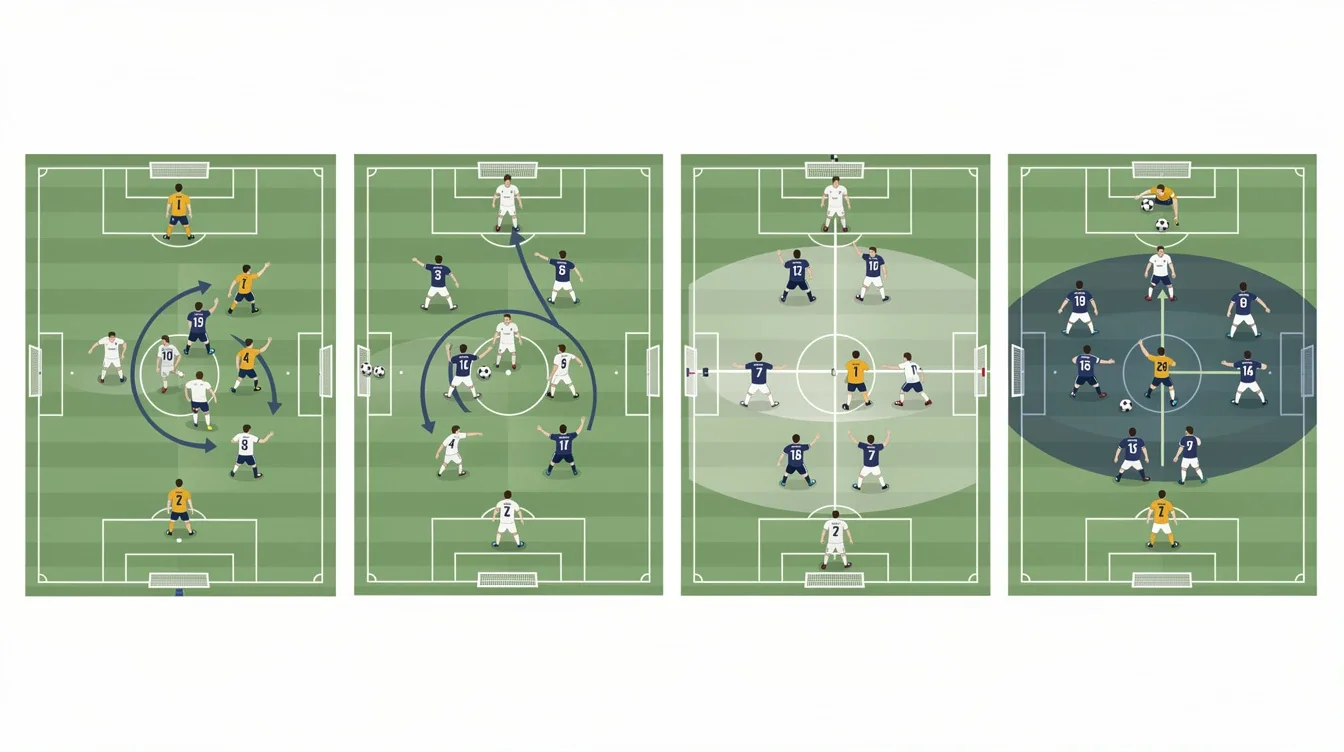
The center backs usually call the line’s height and trigger compacting or stepping up. They're responsible for keeping the defensive shape tight, especially during quick transitions. Fullbacks, meanwhile, are crucial for alerting the line to wide threats and late-arriving runners. A simple shout from a right back—“runner!” or “switch!”—can prevent a dangerous overload.
Goalkeepers are the only players with a panoramic view. In top D1 programs, keepers are trained to direct traffic constantly—calling for pressure, organizing wall positions on set pieces, and making split-second decisions about when to push the line up or drop off.
Communication must also adapt to the team’s tactical setup. A flat back four requires different cues than a three-center-back system with wingbacks. Teams that press high need crisp, confident calls to coordinate movements, while those that sit deeper must relay information quickly to avoid getting pulled out of shape.
Pro tip: Don’t wait for a perfect moment to speak up—effective communication is about timing and consistency, not volume.
Handling Pressure: Communication Under Fire
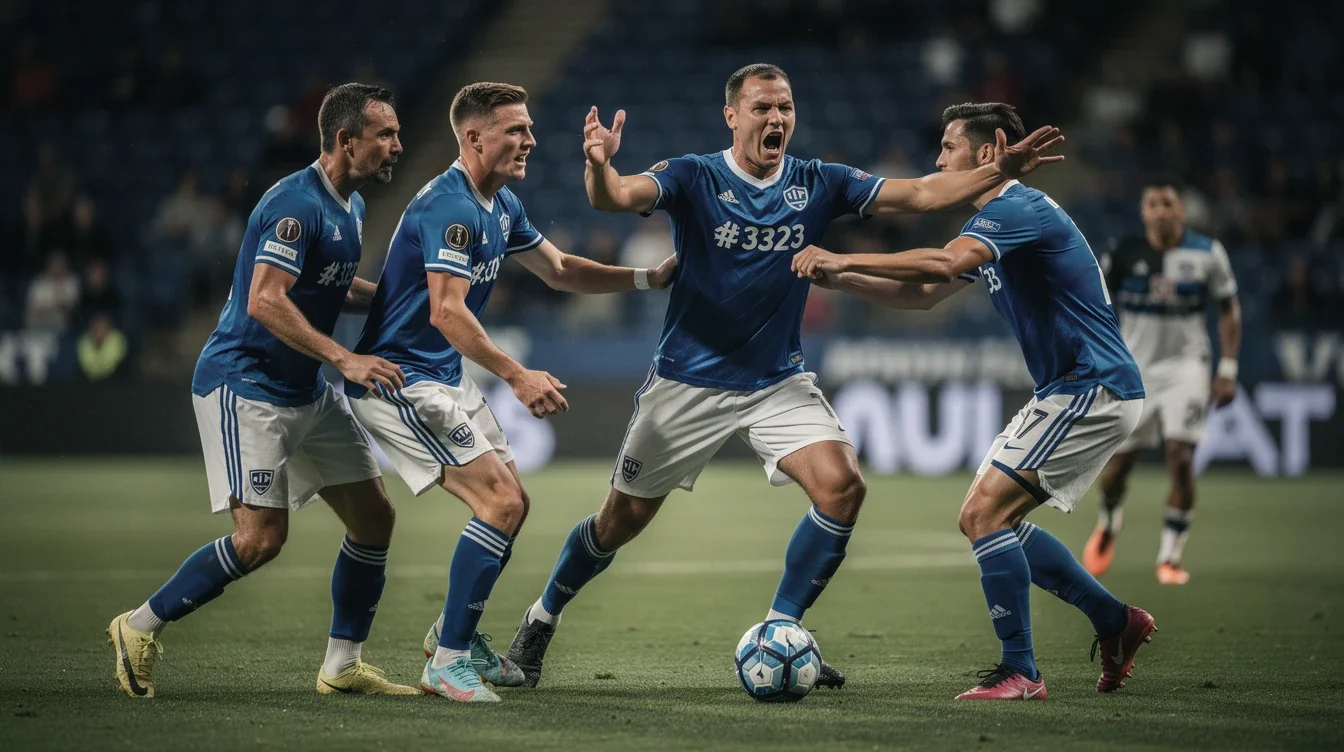
The real test of defensive communication isn’t when things are calm—it’s when the pressure mounts. In NCAA D1 matches, the margin for error is razor-thin. Opponents press relentlessly, and the pace can change with a single turnover.
Under this stress, defenders need to maintain clarity and composure. Panic or confusion is contagious; one breakdown in communication can unravel the entire line. That’s why top D1 teams focus on rehearsing communication under simulated pressure in training. Drills might include overloads, rapid transitions, or even deliberate distractions to force defenders to prioritize and simplify their messages.
Short, direct commands are key: “Step!” “Drop!” “Left shoulder!” Good communication cuts through chaos, keeping defenders focused on their roles and responsibilities. When a line is in sync, you’ll see defenders moving almost as one, closing space and forcing play into less dangerous areas.
Pro tip: Practice communicating under fatigue—late in training sessions, challenge yourself and teammates to keep talking, even when legs and lungs are burning.
Building Trust and Chemistry
Great defensive communication isn’t just about words—it’s about relationships. In NCAA D1 soccer, where rosters change year to year and transfer portal moves are common, defenders must quickly develop trust and chemistry with new teammates.
Off the field, many teams encourage defenders to watch game film to gether, break down goals conceded, and discuss how they might have communicated better. This shared learning builds mutual understanding and comfort—the backbone of on-field clarity.
On the field, trust means believing your teammate will cover the space you call out, or step up when you signal. It means knowing the tone of a voice, recognizing the urgency behind a command, and staying cool when mistakes happen. In the best D1 programs, defensive leaders foster an environment where everyone feels empowered to speak up, regardless of class year or playing time.
Pro tip: Make a habit of post-match or post-training debriefs with your fellow defenders. Honest, constructive feedback builds communication and collective accountability.
Integrating Communication into Training
To reach championship level, communication has to be hardwired into every practice—not just left for game day. The top D1 coaches design drills that force defenders to talk, make decisions on the fly, and hold each other accountable.
For example, small-sided games with neutral attackers often require defenders to coordinate shifts and cover, using constant talk to avoid being split apart. Set piece rehearsals become communication clinics, with defenders assigning marks, checking for screens, and signaling zonal responsibilities. Even warm-ups can include quick call-and-response exercises to get everyone’s voices activated.
Beyond technical drills, coaches might use video sessions to highlight moments where better communication would have changed an outcome. By making communication a visible, daily priority, teams create habits that persist under pressure.
Pro tip: Treat every training session as a communication challenge, not just a technical one—track your talk rate and challenge your back line to communicate more, not less.
Communication and Recruitment: What Coaches Notice
For prospective college players, understanding the value of defensive communication is critical when navigating recruitment and transfer opportunities. Coaches at the D1 level aren’t just scouting for physicality and technical skill—they’re looking for “coaches on the field,” defenders who command, organize, and elevate those around them.
During ID camps, showcases, and campus visits, coaches watch how defenders interact—on the ball, off the ball, and after breakdowns. They note who’s directing traffic, who’s rallying teammates after a mistake, and who’s maintaining calm when the game gets chippy. Communication can be a deciding factor between two equally skilled players.
Players hoping to stand out should make communication a visible part of their game. It’s not about being the loudest, but about being clear, confident, and consistent. College coaches want defenders who make everyone else better, and in D1 soccer, that starts with the voice and the mind.
Pro tip: When showcasing your skills, be intentional about demonstrating leadership through communication—coaches remember the players who organize and inspire, not just those who tackle and clear.
Conclusion
Defensive line communication in NCAA D1 soccer is a complex, evolving craft—an invisible web that links anticipation, leadership, and collective resilience. For defenders, it’s the skill that turns a group of individuals into a disciplined, adaptable unit. For coaches and recruiters, it’s a window into a player’s maturity and impact. And for teams chasing titles, it’s the difference between holding the line and watching it break.
At College Touchline, we believe that understanding the art of defensive communication is essential for anyone serious about college soccer—whether you’re lacing up your boots, building a roster, or simply passionate about the game’s deeper layers. So next time you watch a match, listen closely: the real story might be unfolding in the language of the back line.