 By
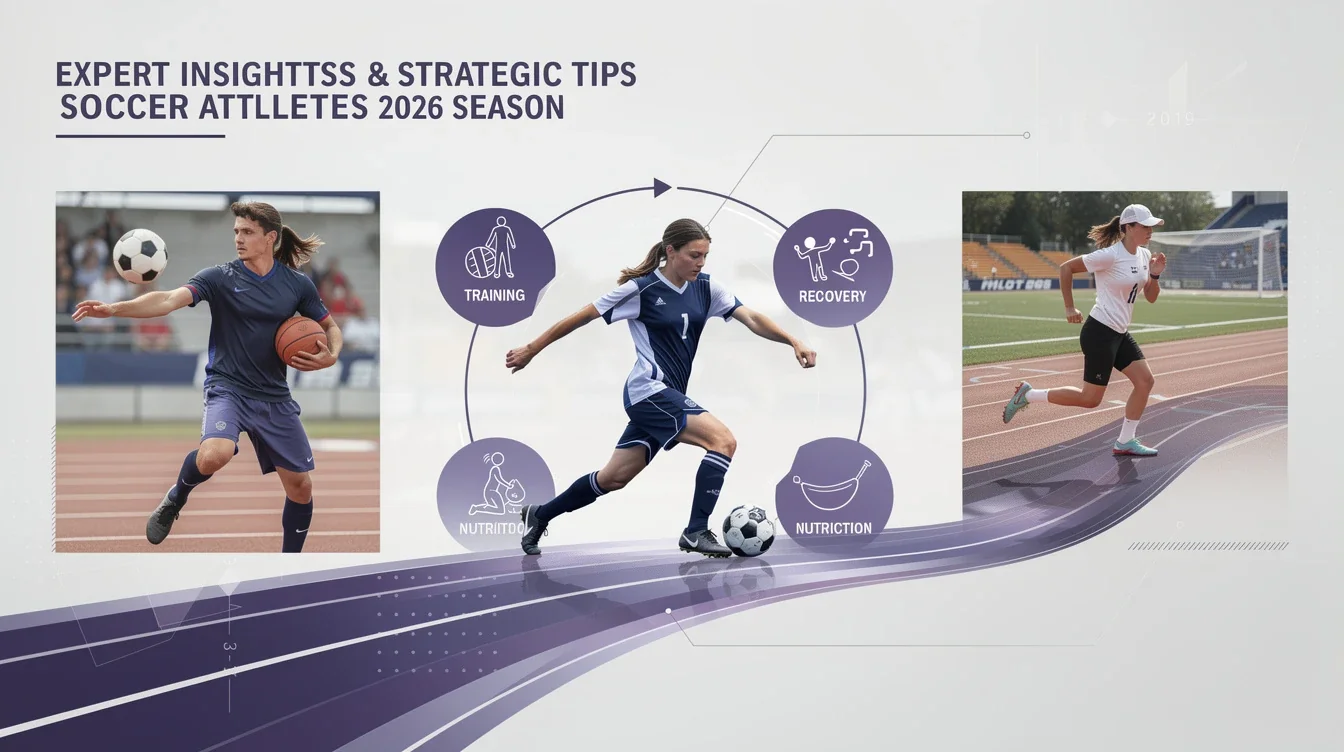
ByIn the evolving landscape of NCAA Division I soccer, the phenomenon of dual-sport athletes is gaining new traction—and for good reason. With 2026 on the horizon, more players and coaches are exploring the unique advantages and challenges presented by soccer athletes who also compete in another NCAA sport. Whether it’s a striker who runs track in the spring or a center-back who stars on the basketball court, dual-sport athletes are reshaping how programs recruit, train, and strategize for success. At College Touchline, we’re diving deep into the realities, benefits, and complexities of this trend, helping you understand what it means for the future of college soccer.
The Dual-Sport Athlete: A Rising Trend
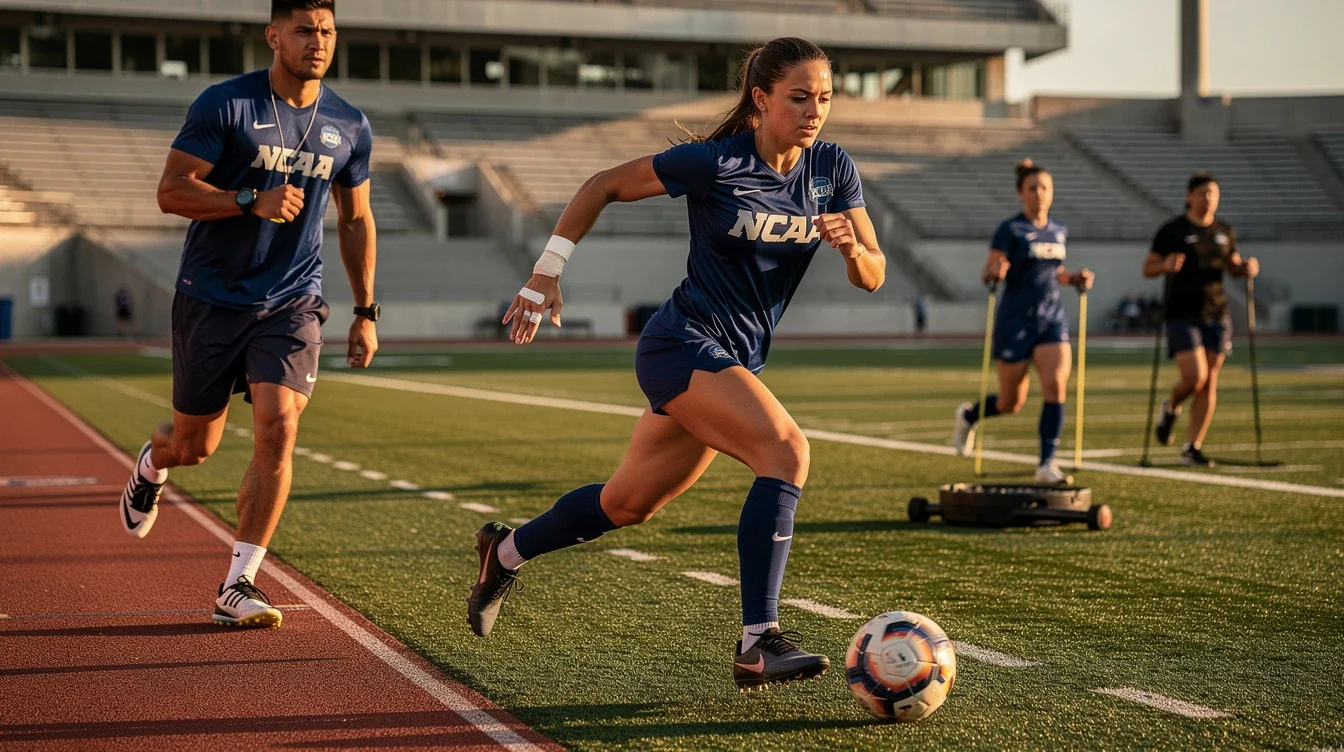
The concept of the multi-sport athlete isn’t new, but its presence in NCAA Division I soccer is undergoing a resurgence. With increasing specialization in youth sports, many high-level soccer recruits arrive at college after spending years focused solely on the pitch. Yet, in 2026, we’re seeing an uptick in soccer players who maintain secondary sport commitments—often in track & field, basketball, or even lacrosse.
Why the change? Coaches are recognizing the value of athletes who bring diverse skill sets and mental resilience from other sports. Track athletes, for instance, offer explosive speed and endurance; basketball players often excel in spatial awareness and aerial duels. The NCAA’s evolving regulations around training hours and scholarship flexibility have also made it more feasible for athletic departments to support dual commitments.
Pro tip: If you’re a high school recruit with talent in multiple sports, don’t assume you have to specialize early. Reach out to college programs that value athletic versatility and ask how they support dual-sport athletes.
Recruiting Dual-Sport Standouts
Recruiting for Division I soccer is already a high-stakes, complex process. Adding a second sport to the mix introduces new variables for both athletes and coaches. Programs must assess not just soccer skills, but also how an athlete’s secondary sport might enhance their overall athleticism and fit within the team’s tactical plans.
For players, recruiting as a dual-sport athlete means communicating your ambitions clearly. Coaches want to know that you can handle the academic and athletic load, and they’ll ask about your long-term goals—do you see yourself pursuing both sports for four years, or is one a primary focus? Transparency here is crucial.
On the coaching side, programs that successfully integrate dual-sport athletes often collaborate closely with other sport staffs. This ensures training plans are coordinated, injury risk is managed, and the athlete’s calendar is sustainable. The best programs use dual-sport recruiting as a competitive edge, attracting dynamic players who might otherwise slip through the cracks of single-sport pipelines.
Pro tip: When visiting campuses, ask to meet with both coaching staffs and the academic support team. This gives you a clear sense of how the school will help you balance your commitments.
Tactical Benefits for Soccer Programs
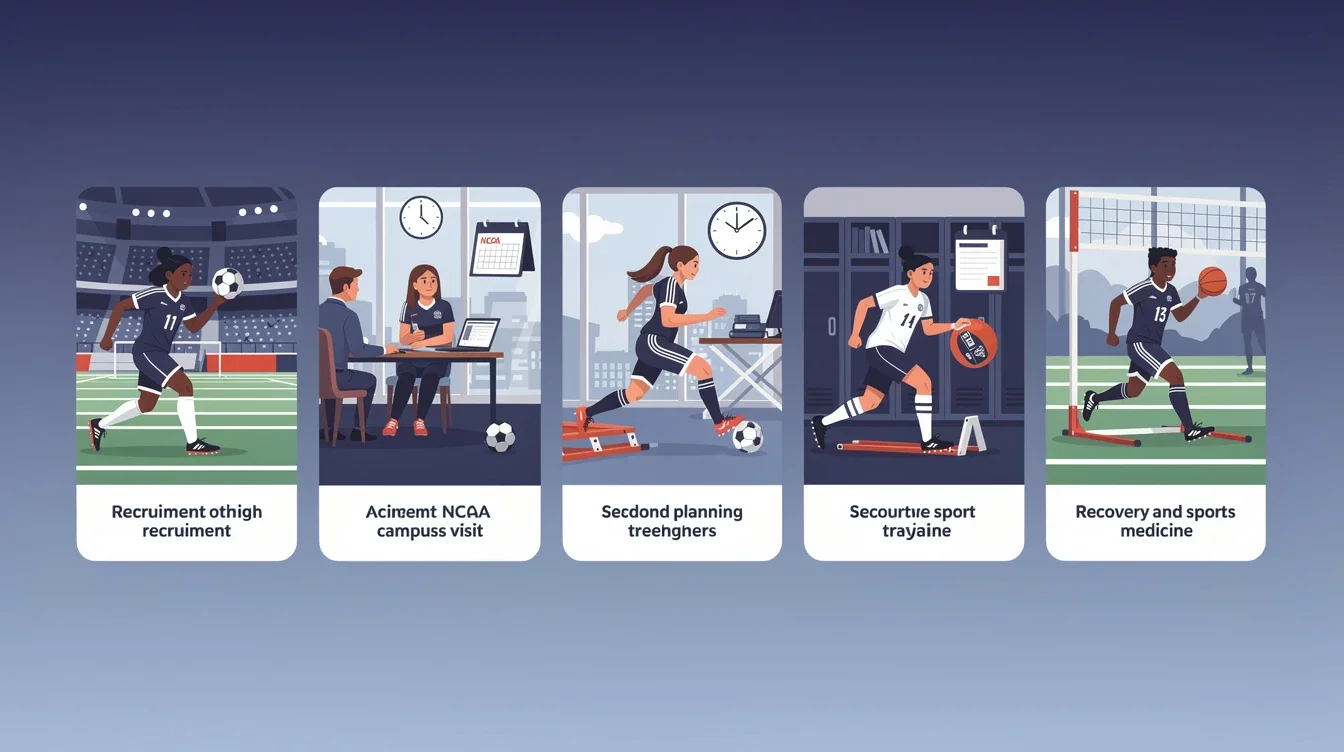
From a tactical standpoint, dual-sport athletes can offer unique advantages that traditional recruits may lack. A soccer player who also runs hurdles, for example, brings not just raw speed but also finely tuned timing and explosiveness. These traits translate directly to pressing tactics, counter-attacks, and one-on-one defending.
Basketball-soccer athletes often display superior anticipation in set-piece situations and excel in reading the flow of the game. Lacrosse players might contribute exceptional hand-eye coordination and stick with tight marking responsibilities. Coaches who embrace these transferable skills can introduce tactical wrinkles—such as flexible positioning or high-intensity pressing—that catch opponents off guard.
However, there are tactical trade-offs. Dual-sport athletes sometimes have less time for soccer-specific technical work, which can affect their touch or tactical nuance. Smart programs recognize this and tailor their training plans accordingly, focusing on quality over quantity and leveraging game-like scenarios to maximize development.
Pro tip: If you’re a dual-sport athlete, be proactive in your soccer development. Use off-seasons and breaks to work on technical skills that may be underemphasized during your secondary sport.
Balancing Training, Recovery, and Academics
Perhaps the biggest challenge for dual-sport athletes is balancing the demands of two NCAA seasons—alongside a full academic load. In 2026, the NCAA has refined its policies to allow more flexibility in training hours and recovery protocols for multi-sport athletes, but the onus remains on the players to manage their time and health.
Injuries are an ever-present risk, especially when the body doesn’t get true downtime. Athletes must become experts in listening to their bodies, prioritizing sleep, nutrition, and active recovery. Coaches and support staff play a vital role, helping to monitor workload and prevent burnout.
Academically, dual-sport athletes often become masters of time management. They’re forced to plan ahead, communicate with professors, and utilize campus resources like tutoring and study halls. Schools that invest in holistic support—athletic trainers, mental health counselors, academic advisors—are best positioned to help dual-sport athletes thrive on and off the field.
Pro tip: Make a weekly schedule that accounts for every commitment, from practices to classes to meals. Consistency and planning are your best tools for long-term success.
Navigating the Transfer Portal
The NCAA transfer portal continues to reshape college athletics, and dual-sport athletes face unique considerations when seeking new opportunities. In 2026, it’s more common to see athletes entering the portal not just to switch soccer programs, but to find schools that will also support their second sport.
For these athletes, the portal offers a chance to recalibrate their priorities. Maybe a player realizes they want to focus more on soccer, or perhaps they’re seeking a better fit for both sports. The key is clear communication with prospective programs—coaches want to know your intentions and how you’ll contribute to both teams.
There’s also a strategic angle: some schools are actively recruiting in the portal for athletes who can fill needs in both soccer and another sport. This approach can create scholarship efficiencies and foster a culture of cross-sport collaboration. However, not every program is equipped to handle the logistics, so athletes must do their homework.
Pro tip: When entering the transfer portal, be specific in your outreach—highlight your experience as a dual-sport athlete and outline what you’re looking for in your next program.
The Future: Evolving Strategies and Opportunities
As 2026 approaches, we expect the dual-sport athlete trend to evolve in exciting ways. With advances in sports science, injury prevention, and athlete monitoring, colleges are better equipped than ever to support multi-sport participation at the highest levels. This opens doors for creative recruiting strategies and new tactical innovations.
For players, the message is clear: your versatility is an asset, not a liability. The days of being forced to choose one sport by age 15 are fading, replaced by a more holistic approach to athletic development. Coaches who recognize and invest in dual-sport athletes will gain an edge—on the recruiting trail, in tactical flexibility, and in building resilient, adaptable teams.
Pro tip: Stay curious and engaged in both sports. The more you learn, the more valuable you’ll become—not just as an athlete, but as a leader in your program.
Conclusion
Dual-sport athletes are poised to become a defining feature of NCAA Division I soccer in 2026 and beyond. Their unique blend of skills, resilience, and adaptability is reshaping how programs recruit, train, and compete. For serious players, coaches, and fans, understanding the dynamics of dual-sport participation isn’t just interesting—it’s essential for staying ahead in the ever-changing college soccer landscape.
At College Touchline, we’ll keep tracking the stories, strategies, and successes of dual-sport athletes across the nation. Whether you’re a recruit weighing your options, a coach considering a new tactical wrinkle, or a fan fascinated by the game’s evolution, the rise of the dual-sport athlete is a trend you can’t afford to ignore. The future of college soccer is versatile, dynamic, and more exciting than ever.