 By
ByAs the leaves change and the calendar flips to October, NCAA Division 1 soccer teams find themselves deep in the heart of their campaign. By now, the early jitters have faded, strategies are sharpened, and lineups are mostly set. But there’s one element that can still make or break a season: midseason team chemistry. At College Touchline, we’ve seen how a squad’s internal dynamics can translate directly into results on the field—or unravel promising seasons before the postseason whistle. Let’s break down why midseason chemistry matters, how coaches and players can foster it, and what serious recruits and their families should look for as they evaluate programs.
Why Midseason Chemistry Matters
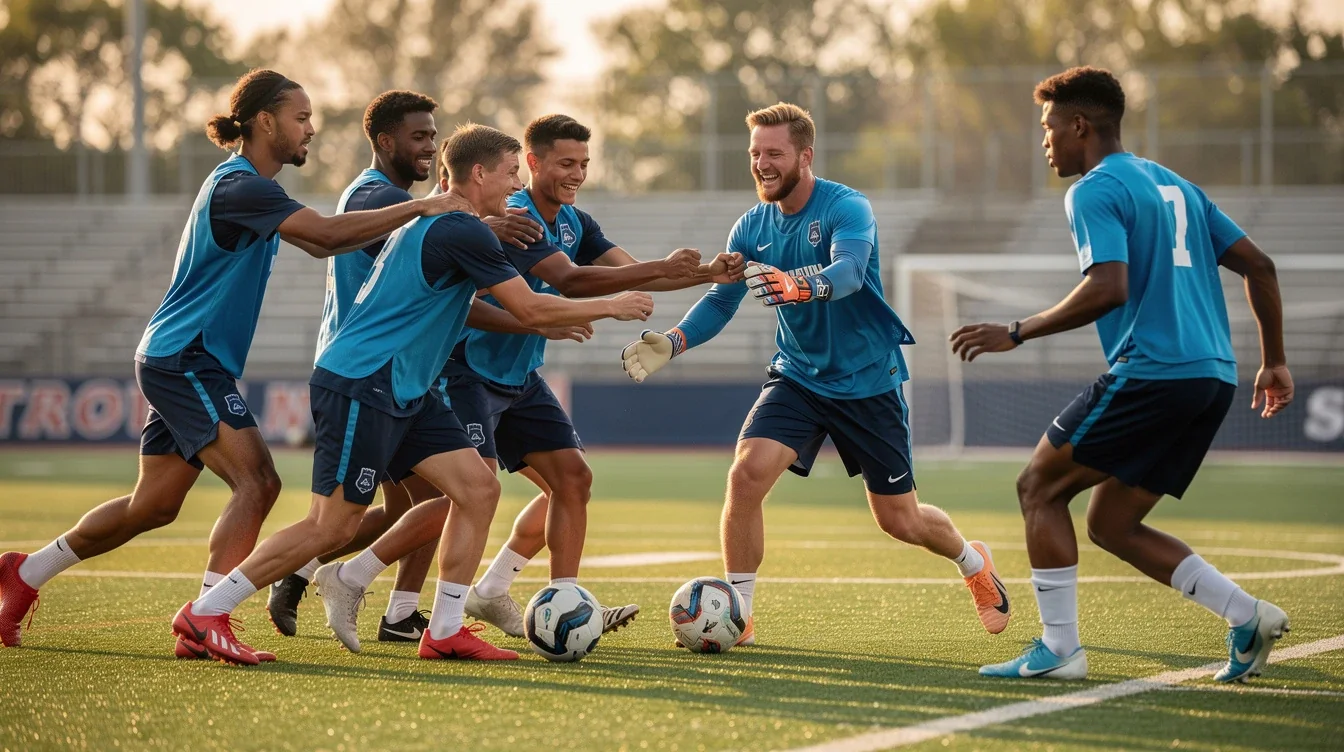
In the NCAA soccer world, the season is a relentless sprint. From August’s opening friendlies to November’s conference tournaments, there’s barely time to breathe. Early in the year, everyone’s focused on fitness, tactics, and learning new roles. But by the midway point, the X’s and O’s are only part of the equation—how well the group clicks becomes just as important.
Midseason is when cracks start to show: maybe a key starter gets injured, a freshman is pushing for minutes, or a losing streak tests the group’s resolve. This is the crucible where true team chemistry is forged. Cohesive squads adapt, support each other, and push through adversity. Teams lacking that bond? They can spiral, with frustration leading to finger-pointing and, ultimately, dropped points.
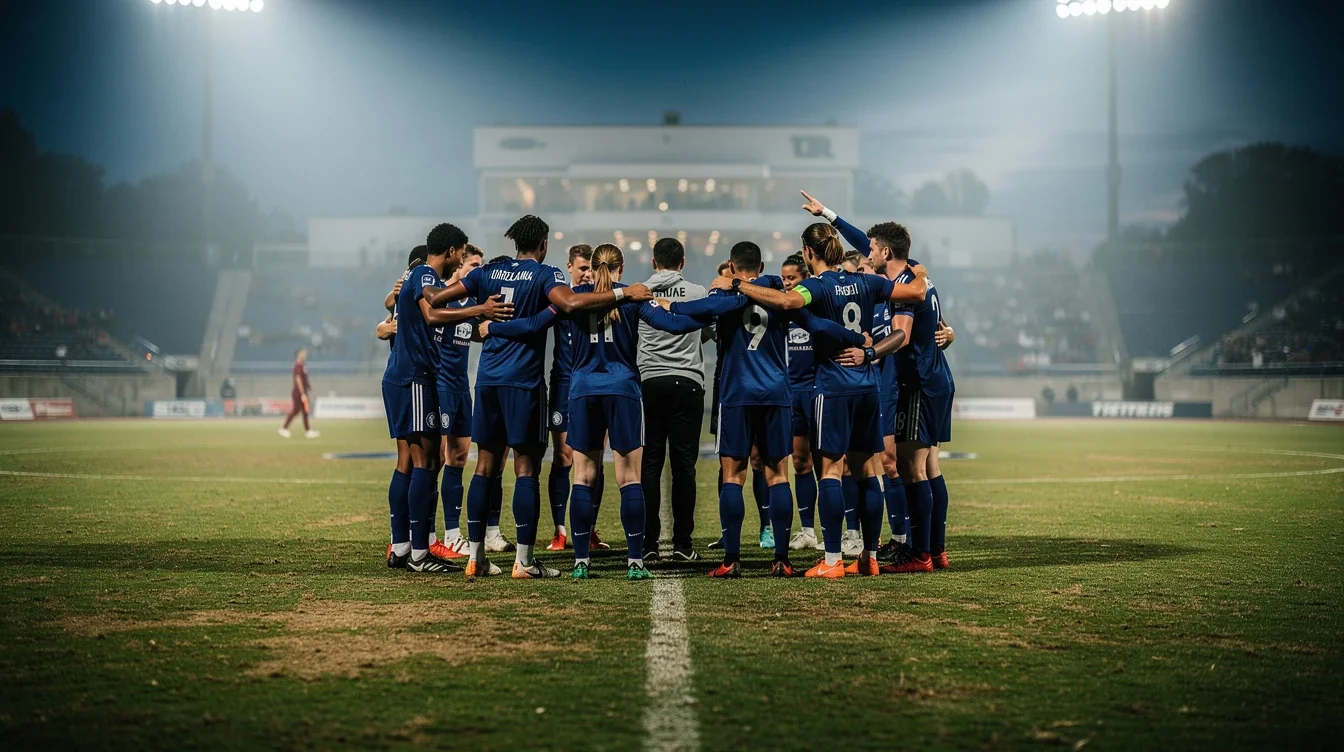
Pro tip: Watch for how players interact after conceding a goal—midseason chemistry is often most visible in moments of adversity, not celebration.
Building Trust: The Bedrock of Chemistry
Trust is the currency of team sports, and it’s especially vital once the initial buzz of preseason fades. By midseason, players know each other’s strengths and weaknesses, but they’re also dealing with the pressure of results and the grind of travel, academics, and fatigue.
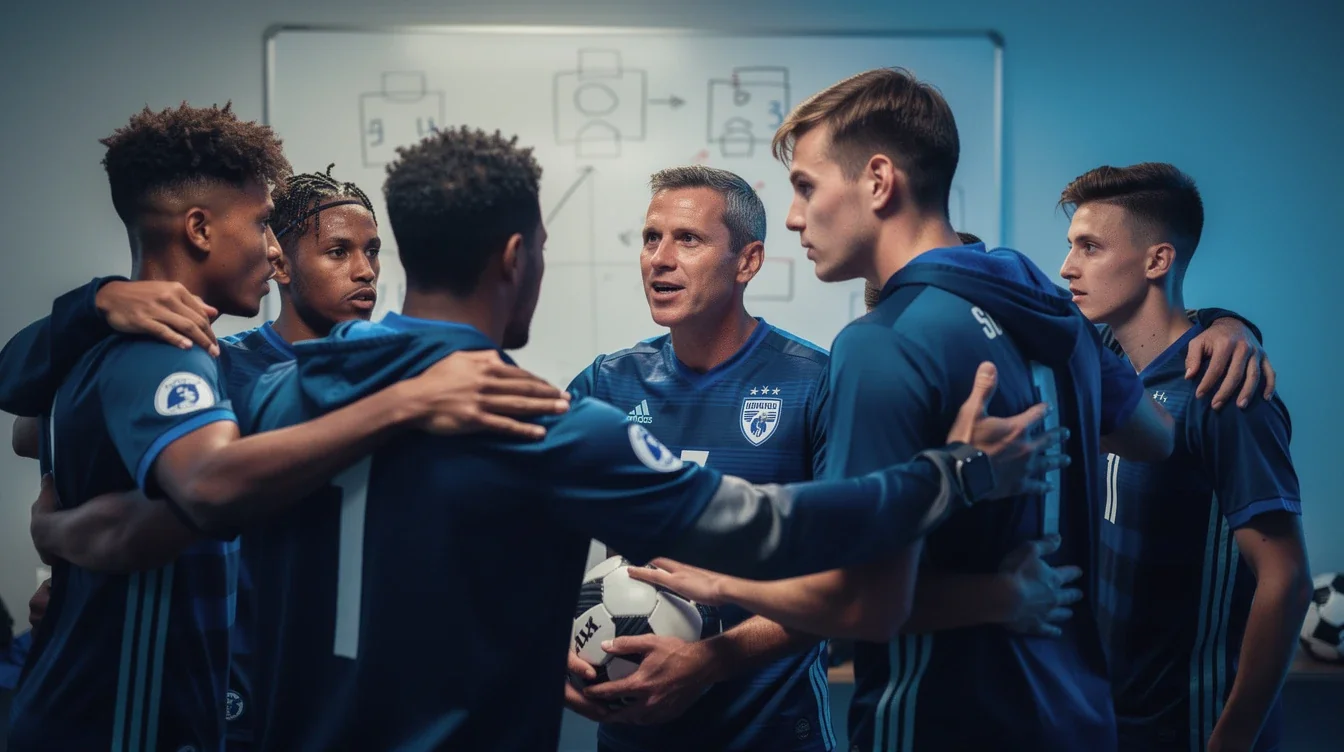
For coaches, maintaining trust in the locker room means maintaining transparency. Clear communication about roles, expectations, and rotation policies helps players buy in—even if they’re not always happy with their minutes. Players, for their part, must trust that their teammates will do the work, cover defensively, and put in the extra effort on and off the field.
Teams that trust each other play faster and with more freedom. They take risks, press to gether, and recover quickly from mistakes. When trust erodes, play becomes cautious, individualistic, and slow.
Pro tip: Coaches can build trust by carving out regular time for honest team meetings where players can voice concerns and offer feedback—keeping everyone invested and heard.
Integrating Newcomers and Managing Egos
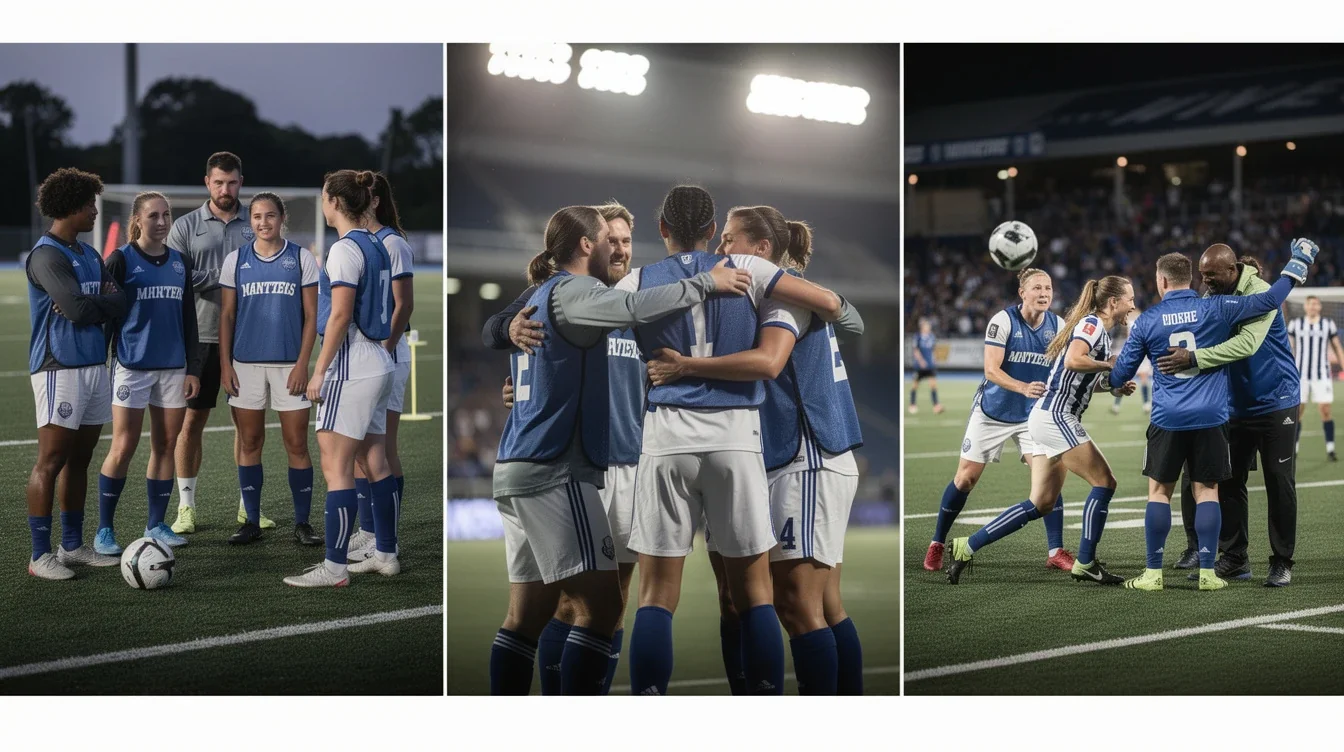
Few NCAA squads are immune to roster churn. Between incoming freshmen, transfers, and injuries, midseason often means integrating new faces and shifting roles. This is a delicate time: new players want to prove themselves, while veterans may feel their territory is threatened.
Successful teams create structured opportunities for integration—on and off the field. Whether it’s pairing freshmen with upperclassmen in drills, rotating roommates on road trips, or giving new players defined “micro-roles,” good programs accelerate bonding and minimize friction.
Ego management is another midseason challenge. High-level college players are competitive, and everyone wants to start. Coaches must balance ambition with unity, making sure that individual goals don’t outweigh the team’s. The best leaders set a clear tone: the badge comes first, and everyone contributes, whether in the starting XI or from the sidelines.
Pro tip: Veteran players who actively mentor newcomers—showing them the ropes in training, academics, and travel—set the tone for a connected, resilient group.
Adapting Tactics to Team Dynamics
Chemistry isn’t just about personalities; it has a direct impact on tactics. Coaches who recognize their group’s strengths and limitations can tweak their approach to maximize cohesion.
If the midfield trio has gelled and trusts each other’s movement, a team might play a more possession-based style, comfortable in tight spaces. If the chemistry is better in transition, a more direct, counter-attacking approach could play to the squad’s collective strengths. Importantly, midseason is no time for rigid adherence to preseason plans—flexibility is key.
Communication is at the heart of tactical chemistry. Teams with strong chemistry are constantly talking: organizing on defensive set pieces, calling for the ball, and supporting each other vocally. This “on-field conversation” can be the difference in high-pressure conference games.
Pro tip: Watch for teams whose players naturally “cover” for each other—filling in gaps, tracking runners, and rotating positions. That’s tactical chemistry in action.
The Role of Leadership
Captains and leadership groups are often tested most in the midseason grind. Whether it’s rallying the team after a tough loss or holding the group accountable in training, strong leaders amplify chemistry.
Good captains do more than lead warmups or talk to the ref—they set the emotional tone. They’re the first to celebrate a teammate’s success, but also the first to pull someone aside when focus slips. Coaches can facilitate this by empowering leaders to run team meetings or set standards for training intensity.
Leadership isn’t just about seniority. Sometimes, the loudest voice is a sophomore who’s earned respect through relentless work rate and positive attitude. The key is authenticity—players respond to leaders who are genuine and consistent, regardless of class year.
Pro tip: Encourage emerging leaders to take on small, visible responsibilities—like organizing recovery sessions or team meals—helping them grow into their roles organically.
Chemistry and Recruitment: What to Look For
For recruits and families evaluating programs, midseason chemistry is a vital, often overlooked factor. It’s easy to be swayed by facilities and win-loss records, but the internal culture is what sustains success.
When visiting schools, pay attention to how players interact: do they support each other, joke around, and engage with newcomers? Ask current players how the team handles adversity and what the locker room is like after tough games. Coaches who prioritize chemistry in recruiting—valuing character and fit as much as technical ability—tend to build more sustainable programs.
For players entering the transfer portal, finding a good culture fit is just as important as playing time. Ask about leadership structures, team-building traditions, and how newcomers are welcomed. A cohesive environment can fast-track your adjustment and help you play your best soccer.
Pro tip: Don’t be afraid to ask coaches for examples of how their team has overcome adversity to gether—that’s where real chemistry is revealed.
Conclusion
Midseason team chemistry is the secret sauce that separates contenders from pretenders in NCAA Division 1 soccer. It’s a living, breathing force shaped by trust, leadership, adaptability, and shared purpose. Whether you’re a player pushing for minutes, a coach managing egos, or a recruit weighing your options, understanding the subtle dynamics of team chemistry can help you make smarter decisions and reach your goals. At College Touchline, we believe that the most successful programs aren’t just collections of talent—they’re united, resilient groups that thrive when the pressure is highest. As the postseason approaches, keep an eye on chemistry—it might just be the deciding factor when the games matter most.